

Wooden Furniture in Pakistan – Types, Prices, Wood & Buying Guide (2026)
Introduction
Wooden furniture in Pakistan has remained a timeless choice for homeowners, interior designers, and business owners who value durability, elegance, and long-term investment. Whether you are furnishing a new home, upgrading your living room, or setting up a professional office space, understanding the different types of wood, construction methods, and pricing structures can help you make informed decisions that align with your budget and aesthetic preferences. Wooden furniture continues to play a central role in the broader furniture in Pakistan market, especially for buyers who prioritize quality, strength, and long-lasting value.
Pakistan’s furniture industry offers a diverse range of options, from solid wood pieces crafted by skilled local artisans to modern engineered wood alternatives that provide affordability without sacrificing visual appeal. Major furniture hubs such as Lahore, Karachi, Islamabad, and Chiniot are well known for their unique craftsmanship, regional wood choices, and design traditions. However, navigating the furniture in Pakistan market requires more than simply visiting a showroom or browsing online catalogs. Buyers must understand different wood types, identify genuine quality, compare realistic price ranges, and evaluate whether a particular furniture piece will meet their functional and long-term needs.
This comprehensive guide focuses specifically on wooden furniture in Pakistan and covers everything you need to know, including commonly used wood types, popular furniture categories, updated price ranges, care and maintenance requirements, and practical buying advice. The aim is to help you confidently choose wooden furniture that complements your lifestyle, fits your budget, and delivers long-term satisfaction while avoiding common mistakes that lead to regret or unnecessary expense. As we move into 2026, advancements in finishing techniques, improved wood seasoning processes, and greater transparency in material sourcing have made it easier than ever for informed buyers to find high-quality wooden furniture at fair and competitive prices.


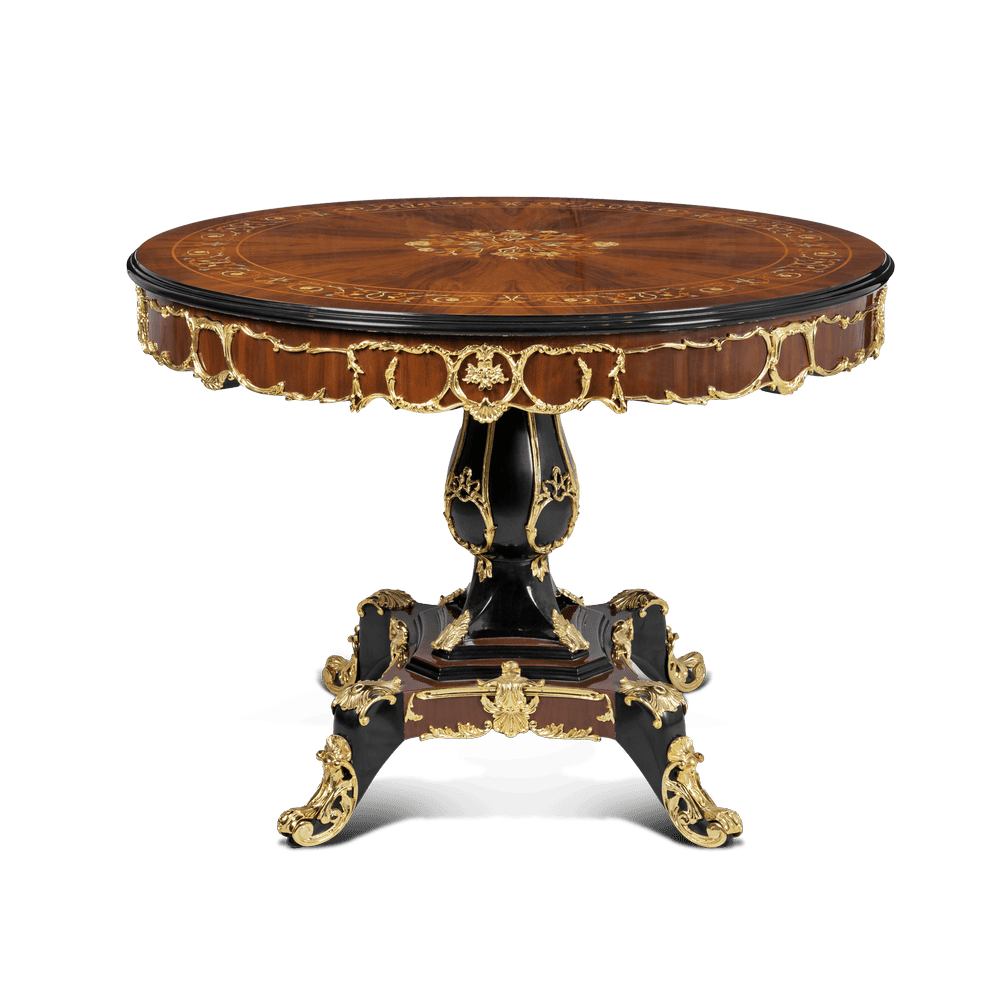

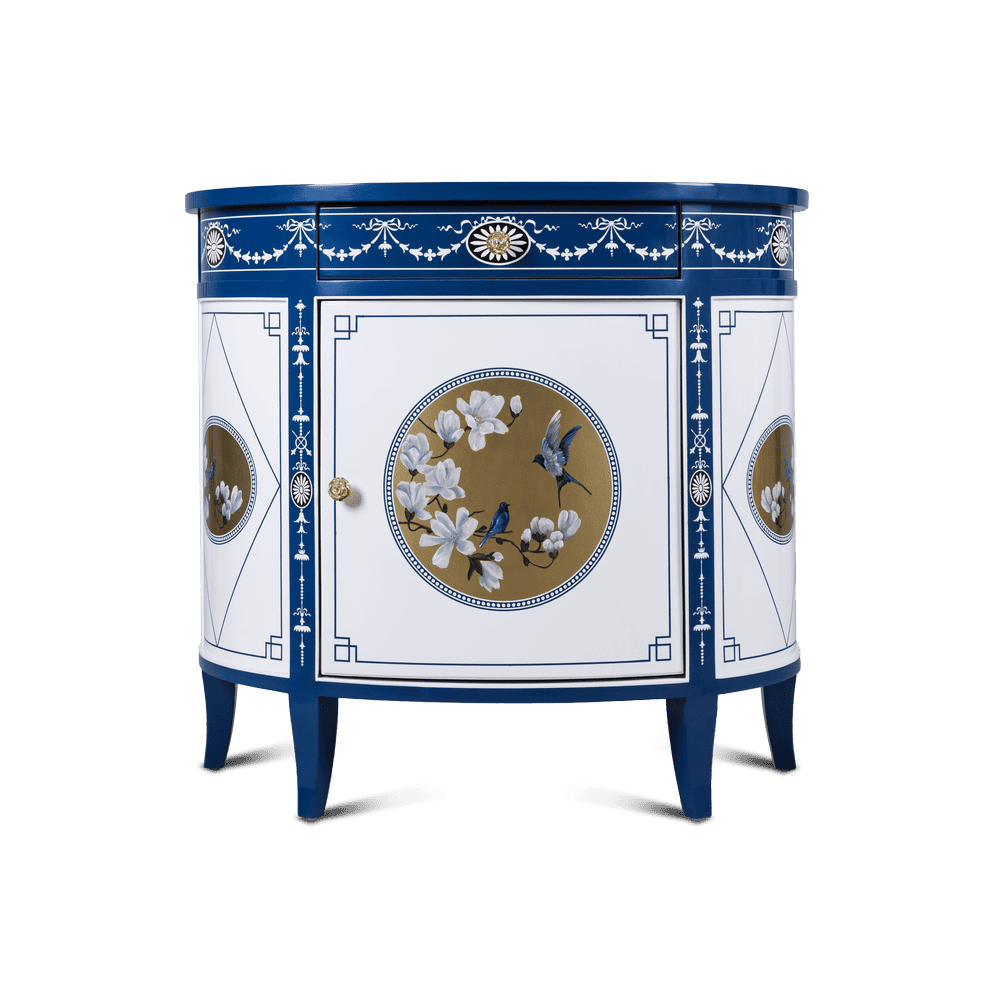


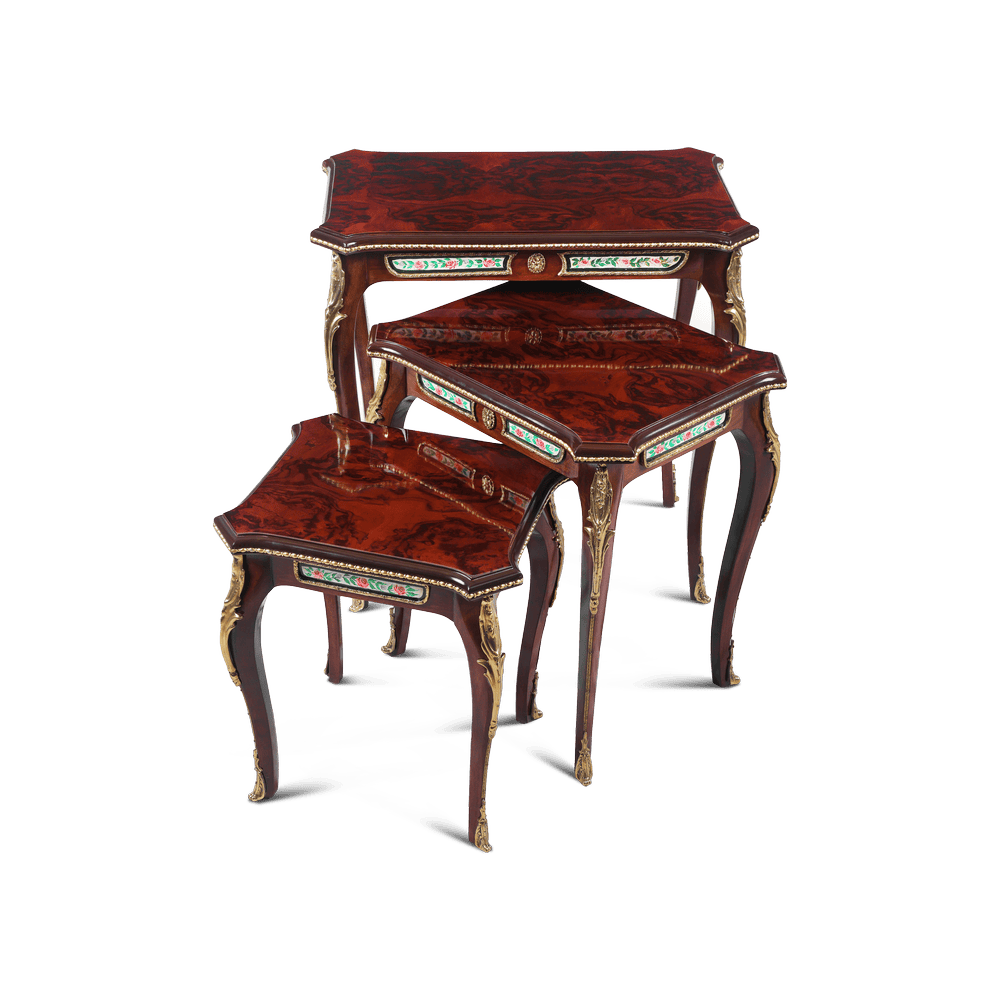

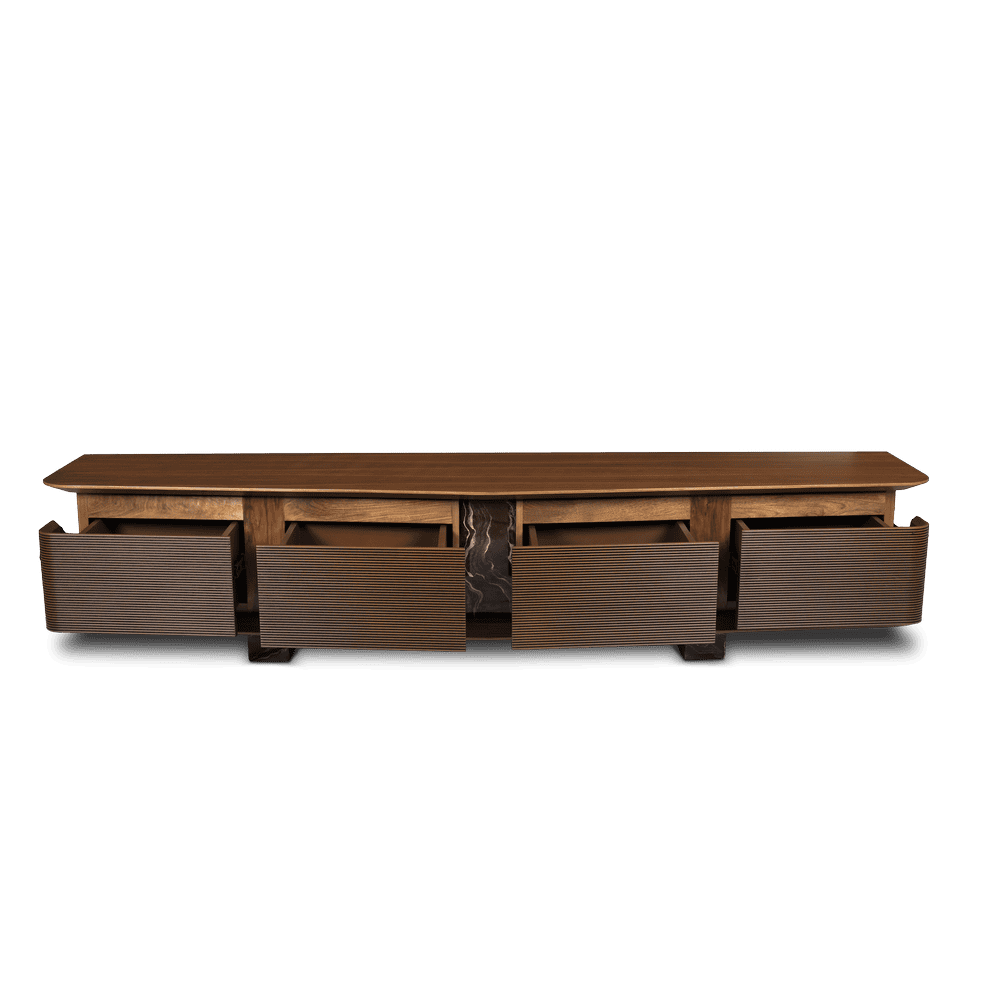

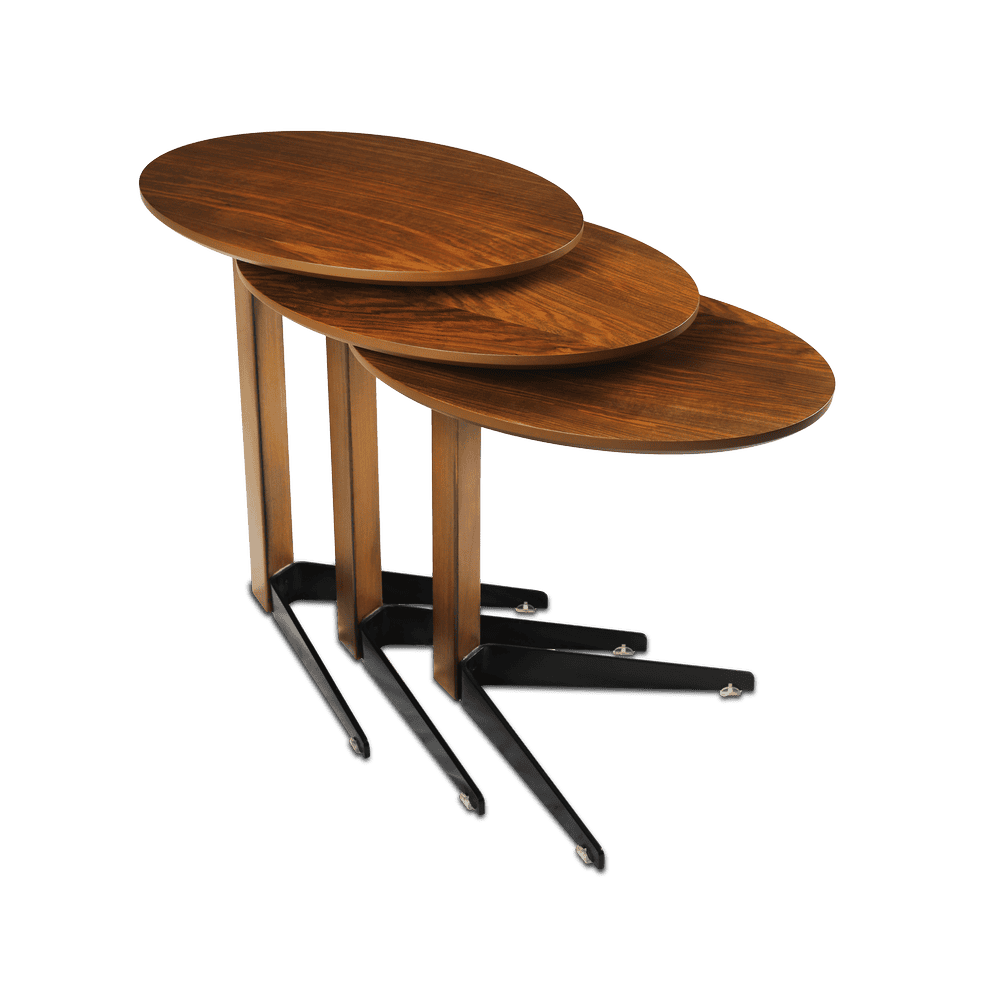
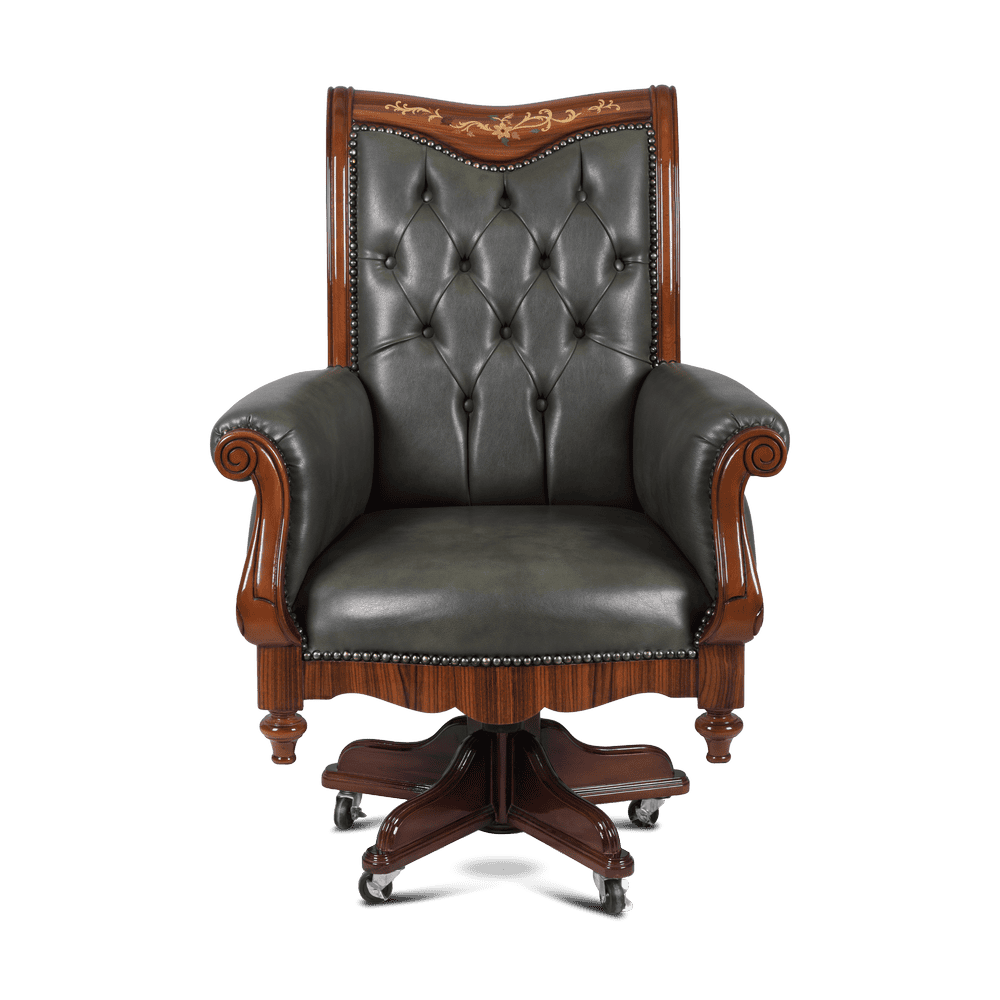
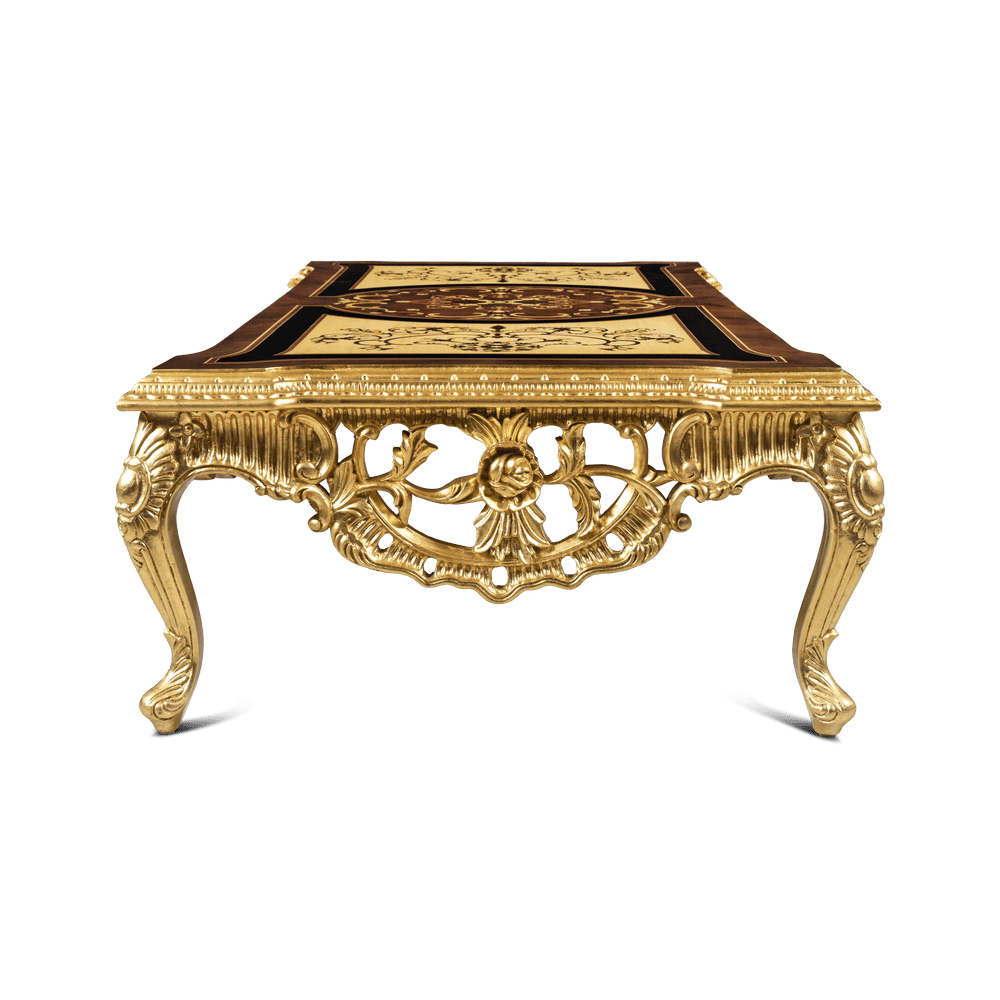

What is Wooden Furniture?
Wooden furniture offers numerous practical and aesthetic benefits that explain its enduring popularity in Pakistani homes and offices. Understanding these advantages helps buyers appreciate what they are paying for and why wooden furniture in Pakistan often represents a better long-term investment compared to alternatives.
Exceptional durability and longevity rank among wood’s most significant advantages. Quality solid wood furniture can last 20, 30, or even 50 years with proper maintenance. Unlike plastic or particleboard furniture that becomes brittle or sags over time, solid wood maintains its structural integrity. According to the Encyclopaedia Britannica’s material science overview of wood, natural wood fibers provide superior strength and resilience when properly seasoned. This longevity means buyers can amortize the cost over decades rather than years, making the per-year cost quite reasonable. A sheesham dining table that costs PKR 150,000 but lasts 30 years effectively costs only PKR 5,000 per year, making it far more economical than cheap alternatives requiring replacement every few years.
🔗 https://www.britannica.com/science/wood-plant-tissue
Wood has natural beauty and timeless aesthetic appeal that synthetic materials struggle to replicate. The grain patterns, color variations, and natural imperfections in wood create visual interest that makes each piece unique. As documented by the Wood Database, hardwoods such as sheesham and teak display distinctive grain structures that cannot be duplicated by engineered materials. Wood furniture complements virtually any interior design style, from traditional Pakistani aesthetics to modern minimalist approaches.
🔗 https://www.wood-database.com
Versatility and customization potential make wood ideal for furniture. It can be cut, shaped, carved, joined, stained, and finished in countless ways. This allows for both mass-produced standard designs and fully custom pieces tailored to specific dimensions and requirements. Local craftsmen working with solid wood can achieve design flexibility that factory-made synthetic furniture cannot, making wooden furniture in Pakistan especially valuable for custom homes and unique architectural layouts.
Wooden furniture has better resale value compared to alternatives. Quality solid wood pieces retain significant value, and vintage or antique wooden furniture often appreciates. Because solid wood can be repaired and refinished, it remains desirable in secondary markets. Engineered wood furniture, on the other hand, usually has minimal resale value once wear becomes visible.
Repairability and refinishing capabilities extend furniture life significantly. Scratches, dents, and worn finishes on solid wood can be sanded and refinished to restore original appearance. Broken joints can be repaired by skilled carpenters. According to Better Homes & Gardens’ wood furniture care guidelines, refinishing solid wood is one of the most cost-effective ways to restore furniture rather than replacing it entirely.
🔗 https://www.bhg.com/homekeeping/house-cleaning/tips/how-to-clean-wood-furniture/
Wood is a natural, renewable, and relatively environmentally friendly material when sourced responsibly. Unlike plastic furniture derived from petroleum, wood comes from a renewable resource. Organizations such as the Forest Stewardship Council (FSC) promote responsible forestry practices that allow continuous harvesting without environmental destruction. For environmentally conscious buyers, responsibly sourced wooden furniture aligns with sustainable living principles.
🔗 https://fsc.org
Health and air quality benefits distinguish wood from synthetic materials. Natural solid wood does not off-gas high levels of volatile organic compounds (VOCs) like some engineered woods or synthetic furniture. The U.S. Environmental Protection Agency (EPA) highlights that reducing VOC-emitting materials indoors can improve overall air quality. Wood also naturally regulates indoor humidity by absorbing and releasing moisture, improving comfort in living spaces.
🔗 https://www.epa.gov/indoor-air-quality-iaq
Wooden furniture offers psychological and cultural value in Pakistani society. Owning quality wooden furniture represents achievement, permanence, and stability. It signals commitment to long-term residence rather than temporary occupation. Many families consider wooden furniture purchases as generational investments, creating emotional connections and memories associated with specific pieces. This cultural significance further strengthens the appeal of wooden furniture in Pakistan, extending its value beyond purely functional considerations.
Types of Wooden Furniture in Pakistan
Pakistani consumers have access to several distinct categories of wooden furniture, each with unique characteristics, price points, and ideal use cases. Knowing these types helps you match furniture to your specific needs and avoid paying for features you do not require.
Solid Wood Furniture
Solid wood furniture is constructed entirely from natural timber, with no veneers, laminates, or composite materials. Each visible and structural component comes from real wood logs that have been cut, shaped, and assembled using traditional or modern joinery techniques. This type represents the highest quality tier in the furniture market and is often considered a long-term investment rather than a disposable purchase.
The primary advantage of solid wood is exceptional durability and structural integrity. When properly maintained, solid wood pieces can last for decades or even generations. They handle weight and stress better than alternatives, resist warping when correctly seasoned, and can be refinished multiple times to restore their appearance. Solid wood also develops a natural patina over time, which many people find aesthetically appealing. This aging process adds character and depth to the furniture, making older pieces more valuable rather than less desirable.
In Pakistan, solid wood furniture is commonly made from sheesham, teak, mango wood, walnut, and imported oak. Each wood type has distinct grain patterns, color tones, and hardness levels. Sheesham, for example, is extremely popular due to its rich brown color, attractive grain, and good balance between hardness and workability. Teak is prized for its natural oil content, which makes it resistant to moisture and insects. The choice of wood affects not just appearance but also how the furniture performs in Pakistan’s varied climate conditions.
However, solid wood furniture comes with higher costs and maintenance requirements. It is sensitive to humidity changes, which can cause expansion and contraction. Without proper seasoning, solid wood can crack or warp. It also requires periodic polishing and protection from direct sunlight to prevent fading. Despite these considerations, solid wood remains the preferred choice for buyers who prioritize quality, longevity, and resale value. In 2026, reputable manufacturers provide detailed seasoning certificates and humidity-resistance ratings, helping buyers understand exactly what they are purchasing.

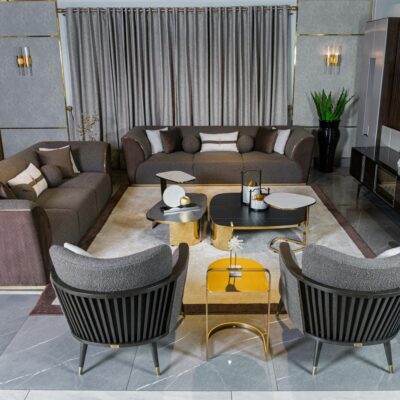
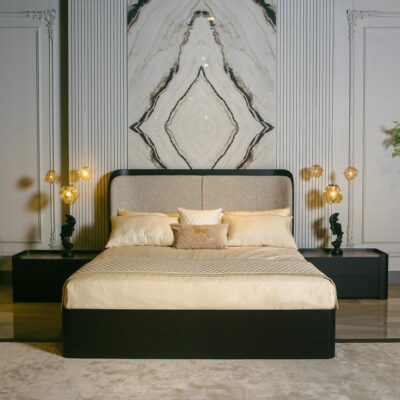
Sheesham Wood Furniture
Sheesham wood, also known as Indian rosewood, deserves its own category because it dominates Pakistan’s solid wood furniture market. This hardwood is sourced primarily from India and parts of Pakistan, and it has become synonymous with quality wooden furniture in South Asian households. The wood’s popularity has remained consistent over decades, and in 2026, it continues to be the benchmark against which other furniture woods are measured.
Sheesham’s popularity stems from several practical advantages. It has a medium to dark brown color with distinct grain patterns that create visual interest without requiring complex finishing techniques. The wood is hard enough to resist scratches and dents from daily use, yet workable enough for artisans to carve intricate details. It holds screws and joints well, which contributes to furniture stability. The natural strength of sheesham means furniture pieces can be built with thinner dimensions without sacrificing structural integrity, which reduces overall material costs while maintaining quality.
Another important characteristic is sheesham’s natural resistance to termites and wood-boring insects. While no wood is completely immune, sheesham’s density and natural compounds make it less attractive to pests compared to softer woods like pine or deodar. This reduces the need for chemical treatments and extends the furniture’s usable life. In Pakistan’s climate, where termite activity can be significant in certain regions, this natural protection provides peace of mind and reduces long-term maintenance costs.
Sheesham furniture is widely available across Pakistan, from high-end showrooms in Lahore and Islamabad to local workshops in smaller cities. Pricing varies based on thickness, joinery quality, and finishing, but genuine sheesham pieces typically start around PKR 90,000 for a basic dining table and can exceed PKR 350,000 for complete bedroom sets with intricate carvings. These prices reflect 2026 market conditions, including increased raw material costs and improved manufacturing standards.
The main challenge with sheesham is verifying authenticity. Some sellers mix cheaper woods with sheesham or use thin veneers over softwood cores, then market the product as pure sheesham. Buyers should examine weight, grain consistency, and exposed edges where veneer might be visible. Reputable manufacturers will provide wood certificates or allow customers to inspect cross-sections before purchase. In 2026, more manufacturers are using QR codes and digital verification systems that let buyers confirm wood authenticity through smartphone apps, making fraud more difficult.
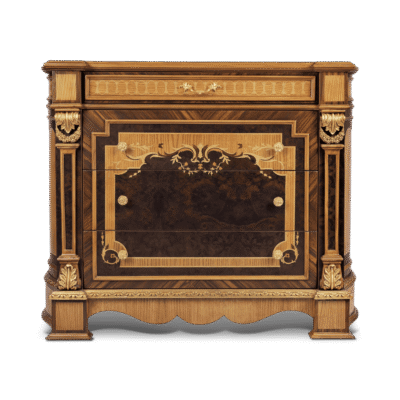

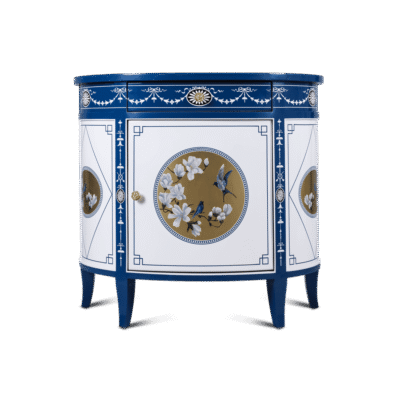

Deodar / Kail Wood Furniture
Deodar, also called kail wood in northern Pakistan, is a softwood species native to the Himalayan region. It has been traditionally used in Pakistani furniture, especially in areas closer to wood sources like Abbottabad, Mansehra, and parts of Kashmir. Unlike sheesham’s hardwood classification, deodar is softer, lighter, and easier to work with, which affects both its applications and pricing.
The primary advantage of deodar is its affordability and availability. Because it grows more quickly than hardwoods and is readily available from local sources, deodar furniture costs significantly less than sheesham or teak equivalents. A deodar wardrobe might cost 40 to 50 percent less than a similar sheesham piece, making it accessible to middle-income buyers. This price difference becomes particularly significant for large purchases like complete bedroom sets, where choosing deodar can save over PKR 150,000 compared to sheesham.
Deodar has a light yellowish to pale brown color with a straight grain pattern. It takes stains and paints well, which allows manufacturers to alter its appearance to match different interior styles. The wood also has a pleasant natural aroma and contains oils that provide some resistance to insects, though not as much as denser hardwoods. Many buyers appreciate deodar’s lighter color, which brightens rooms and creates a more contemporary aesthetic compared to the darker tones of traditional hardwoods.
However, deodar’s softness is both an advantage and a limitation. It is easier to damage through impacts, scratches, or heavy loads. Deodar furniture is generally recommended for bedroom pieces, decorative items, or light-use applications rather than heavy-duty dining tables or office desks that endure constant stress. With proper care and appropriate use, deodar furniture can serve well for many years, especially if kept in controlled indoor environments. Understanding these limitations prevents disappointment and ensures you place deodar furniture in appropriate settings.
Buyers should ensure deodar wood is properly seasoned and treated before construction. Unseasoned deodar is more prone to warping and cracking as it loses moisture. Quality manufacturers will kiln-dry or air-season the wood for several months before using it in furniture production. In 2026, improved kiln-drying technology has reduced seasoning times while improving consistency, which means better quality deodar furniture is available at reasonable prices compared to previous years.
Engineered Wood Furniture
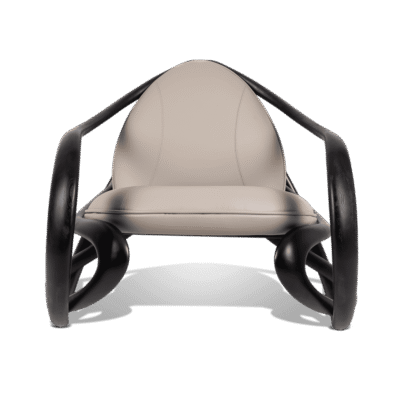
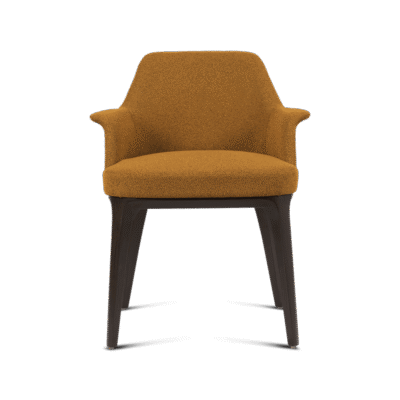
Engineered wood, also called composite wood or manufactured board, includes materials like plywood, MDF (medium-density fiberboard), particleboard, and chipboard. These materials are created by binding wood fibers, chips, or veneers together with adhesives under heat and pressure. While they lack the prestige of solid wood, engineered materials have become increasingly popular in Pakistan due to their cost-effectiveness and versatility.
The main advantage of engineered wood is price accessibility. A complete bedroom set in engineered wood can cost less than half the price of an equivalent solid wood set. This makes quality-looking furniture available to students, young professionals, and families working within tight budgets. Engineered wood is also more dimensionally stable than solid wood, meaning it does not expand and contract with humidity changes as dramatically. This stability can be advantageous in Pakistan’s climate, particularly during monsoon seasons when humidity levels fluctuate significantly.
Modern engineered wood furniture often uses laminate or veneer finishes that convincingly mimic natural wood grain. High-quality laminates can be quite durable and resistant to stains, scratches, and moisture when properly sealed. This makes engineered wood suitable for kitchens, bathrooms, and other areas where solid wood might struggle with environmental conditions. Advanced printing technology in 2026 has made laminates more realistic than ever, with textures and patterns that closely replicate expensive hardwoods at a fraction of the cost.
However, engineered wood has clear limitations. It cannot be refinished like solid wood because sanding through the surface layer exposes the composite core underneath. Load-bearing capacity is lower, especially with particleboard and chipboard, which can sag or fail under heavy weight. Edge quality matters significantly; poorly sealed edges can absorb moisture and swell, leading to delamination. These limitations mean engineered wood furniture typically has a shorter lifespan than solid wood, though modern manufacturing techniques have improved durability considerably.
When buying engineered wood furniture, focus on material grade and edge finishing. Marine-grade plywood is more moisture-resistant than standard plywood. MDF with a higher density rating will be stronger and more durable. Edges should be properly sealed with edge banding or PVC strips to prevent moisture penetration. Reputable manufacturers will specify the exact materials used rather than vaguely labeling everything as wood. In 2026, environmental certifications like low-formaldehyde emissions have become more common, making engineered wood furniture safer for indoor use.
Engineered wood furniture makes sense for temporary living situations, rental properties, children’s rooms where furniture will be outgrown, or any scenario where budget takes priority over longevity. It should not be dismissed as inferior; it simply serves a different market segment with different priorities. For buyers who understand its limitations and use it appropriately, engineered wood delivers excellent value and satisfactory performance.
Popular Wooden Furniture Items
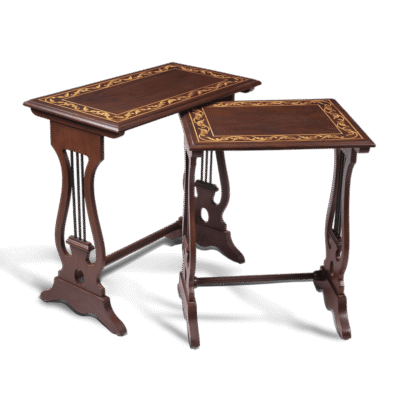
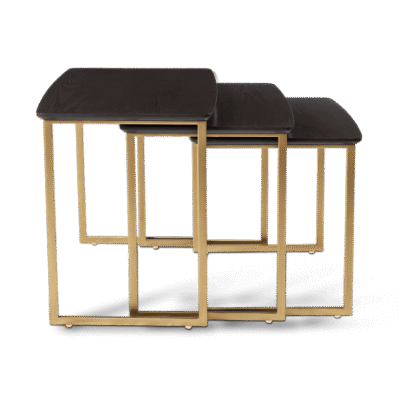
Pakistan’s furniture market offers a wide range of wooden furniture categories, each designed for specific functions and spaces within homes and offices. Understanding the most popular items helps buyers prioritize their purchases and allocate budgets effectively.
Dining tables and chairs remain among the most sought-after wooden furniture items. Pakistani households value communal dining, and a quality dining set serves as both a functional necessity and a social centerpiece. Solid wood dining tables in sheesham or teak can accommodate large families and withstand daily use for decades. Standard sizes range from four-seater to ten-seater configurations, with extendable options available for flexibility. The dining table often represents the single largest furniture investment in many homes, and buyers should choose carefully based on family size, entertaining habits, and available space.
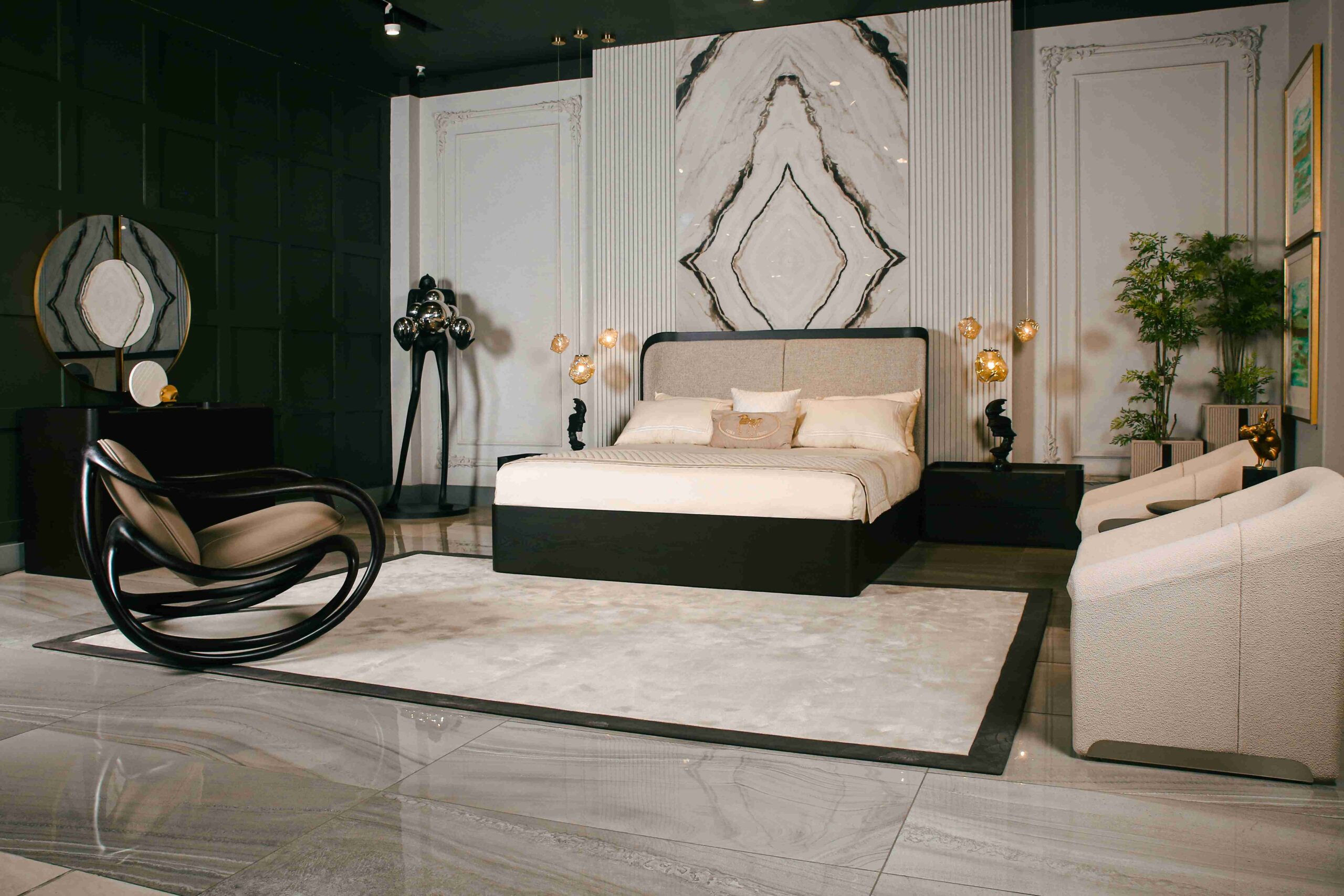
Bedroom furniture including beds, wardrobes, dressing tables, and side tables represents another major category. Beds are available in multiple sizes from single to king, with styles ranging from simple platform designs to ornate carved headboards. Wardrobes come in two-door, three-door, and four-door configurations, with varying combinations of hanging space, shelves, and drawers. Quality bedroom furniture is often purchased as complete sets to ensure visual consistency. In 2026, modular bedroom furniture has gained popularity, allowing buyers to customize configurations according to their specific storage needs and room dimensions.
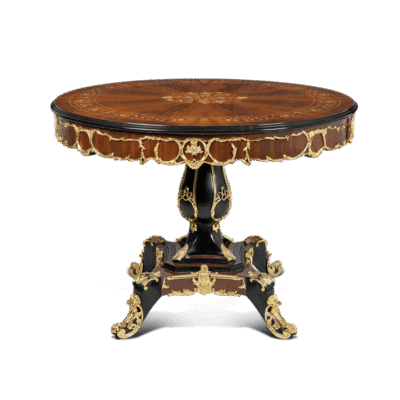
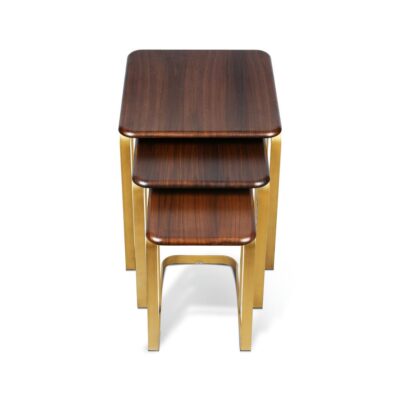
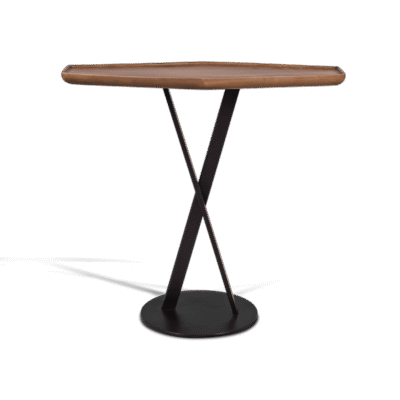
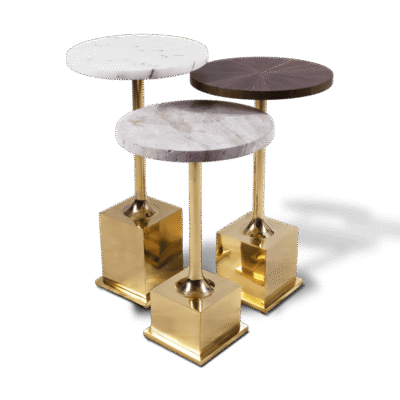
Sofa sets and center tables dominate living room furniture purchases. While many sofas use fabric or leather upholstery over wooden frames, purely wooden sofa designs remain popular in traditional Pakistani interiors. Center tables, side tables, and console tables in solid wood or engineered materials provide functional surfaces while contributing to room aesthetics. The center table serves multiple purposes in Pakistani homes, from tea service to work surface, making it an essential piece that justifies quality investment.
Study tables, computer desks, and office furniture have grown in importance as remote work and online education become more common. Functional designs with cable management, storage drawers, and ergonomic dimensions are preferred. Both solid wood and engineered wood options are available depending on budget and expected usage intensity. The shift toward hybrid work models in 2026 has increased demand for home office furniture that balances professional appearance with residential comfort.
Cabinets, cupboards, and storage units address Pakistan’s ongoing need for organized storage in homes with limited space. Kitchen cabinets, display cabinets for china and glassware, and general storage cupboards are essential purchases. Material choice often depends on the room; engineered wood is more common in moisture-prone areas like kitchens, while solid wood is preferred for visible display pieces. Effective storage solutions become increasingly important as urban living spaces shrink, making these items critical for maintaining organized, functional homes.
Children’s furniture including study tables, small wardrobes, and bunk beds has become a growing segment. Parents often choose engineered wood for children’s rooms because kids outgrow furniture quickly, and the lower cost makes replacement less painful. Safety features like rounded edges and non-toxic finishes are important considerations in this category. Modern children’s furniture increasingly incorporates playful designs and multi-functional elements that maximize limited space in urban apartments.
The furniture you prioritize should align with your immediate needs and long-term plans. If you frequently host guests, investing in a quality dining set makes sense. If you work from home, a proper study desk improves productivity and comfort. Understanding which pieces will see the most use helps you allocate your budget toward items that deliver the best value. This strategic approach ensures your furniture purchases enhance daily life rather than simply filling space.

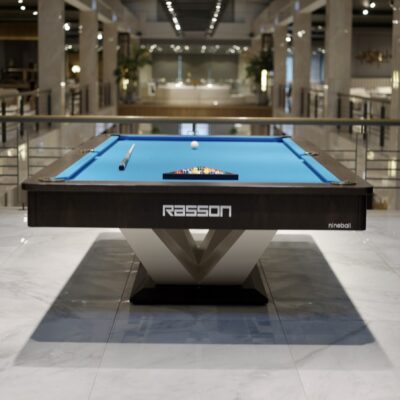
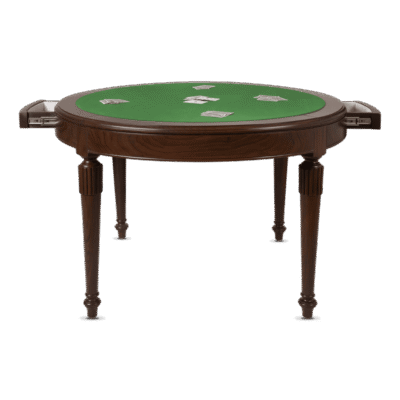
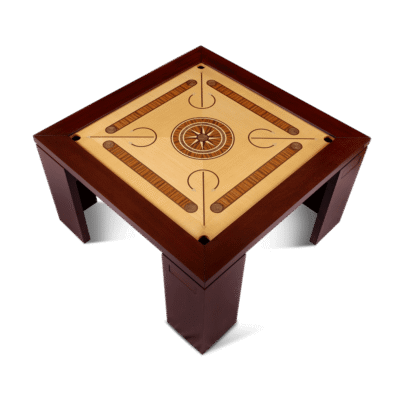
Popular Wooden Furniture Items
Pakistan’s furniture market offers a wide range of wooden furniture categories, each designed for specific functions and spaces within homes and offices. Understanding the most popular items helps buyers prioritize their purchases and allocate budgets effectively.
Dining tables and chairs remain among the most sought-after wooden furniture items. Pakistani households value communal dining, and a quality dining set serves as both a functional necessity and a social centerpiece. Solid wood dining tables in sheesham or teak can accommodate large families and withstand daily use for decades. Standard sizes range from four-seater to ten-seater configurations, with extendable options available for flexibility. The dining table often represents the single largest furniture investment in many homes, and buyers should choose carefully based on family size, entertaining habits, and available space.
Bedroom furniture including beds, wardrobes, dressing tables, and side tables represents another major category. Beds are available in multiple sizes from single to king, with styles ranging from simple platform designs to ornate carved headboards. Wardrobes come in two-door, three-door, and four-door configurations, with varying combinations of hanging space, shelves, and drawers. Quality bedroom furniture is often purchased as complete sets to ensure visual consistency. In 2026, modular bedroom furniture has gained popularity, allowing buyers to customize configurations according to their specific storage needs and room dimensions.
Sofa sets and center tables dominate living room furniture purchases. While many sofas use fabric or leather upholstery over wooden frames, purely wooden sofa designs remain popular in traditional Pakistani interiors. Center tables, side tables, and console tables in solid wood or engineered materials provide functional surfaces while contributing to room aesthetics. The center table serves multiple purposes in Pakistani homes, from tea service to work surface, making it an essential piece that justifies quality investment.
Study tables, computer desks, and office furniture have grown in importance as remote work and online education become more common. Functional designs with cable management, storage drawers, and ergonomic dimensions are preferred. Both solid wood and engineered wood options are available depending on budget and expected usage intensity. The shift toward hybrid work models in 2026 has increased demand for home office furniture that balances professional appearance with residential comfort.
Cabinets, cupboards, and storage units address Pakistan’s ongoing need for organized storage in homes with limited space. Kitchen cabinets, display cabinets for china and glassware, and general storage cupboards are essential purchases. Material choice often depends on the room; engineered wood is more common in moisture-prone areas like kitchens, while solid wood is preferred for visible display pieces. Effective storage solutions become increasingly important as urban living spaces shrink, making these items critical for maintaining organized, functional homes.
Children’s furniture including study tables, small wardrobes, and bunk beds has become a growing segment. Parents often choose engineered wood for children’s rooms because kids outgrow furniture quickly, and the lower cost makes replacement less painful. Safety features like rounded edges and non-toxic finishes are important considerations in this category. Modern children’s furniture increasingly incorporates playful designs and multi-functional elements that maximize limited space in urban apartments.
The furniture you prioritize should align with your immediate needs and long-term plans. If you frequently host guests, investing in a quality dining set makes sense. If you work from home, a proper study desk improves productivity and comfort. Understanding which pieces will see the most use helps you allocate your budget toward items that deliver the best value. This strategic approach ensures your furniture purchases enhance daily life rather than simply filling space.

Best Wood Types Used in Pakistan
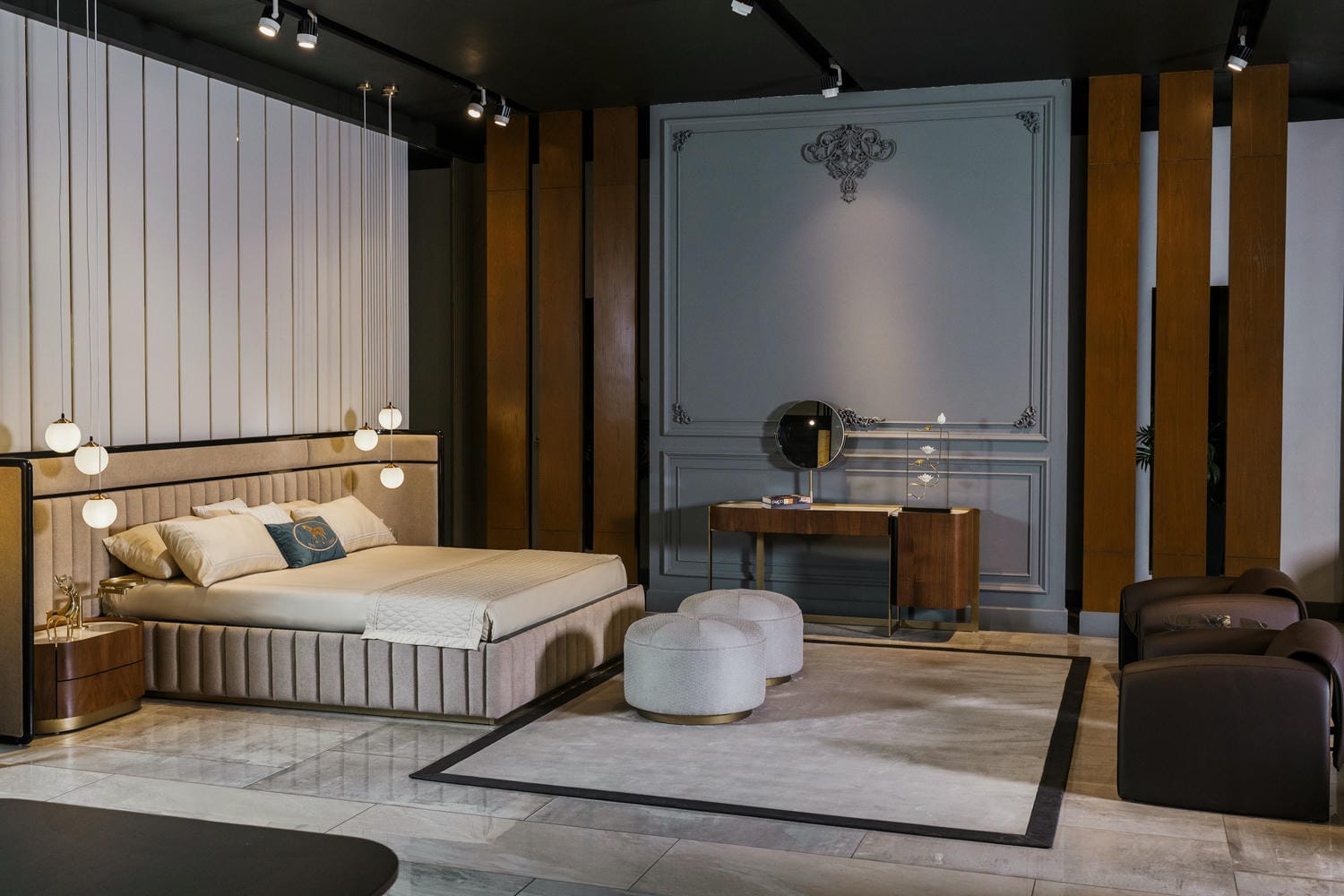
The wood species used in furniture construction directly impacts durability, appearance, maintenance requirements, and cost. Pakistani furniture manufacturers work with both locally sourced and imported woods, each with distinct characteristics that suit different applications and budgets.
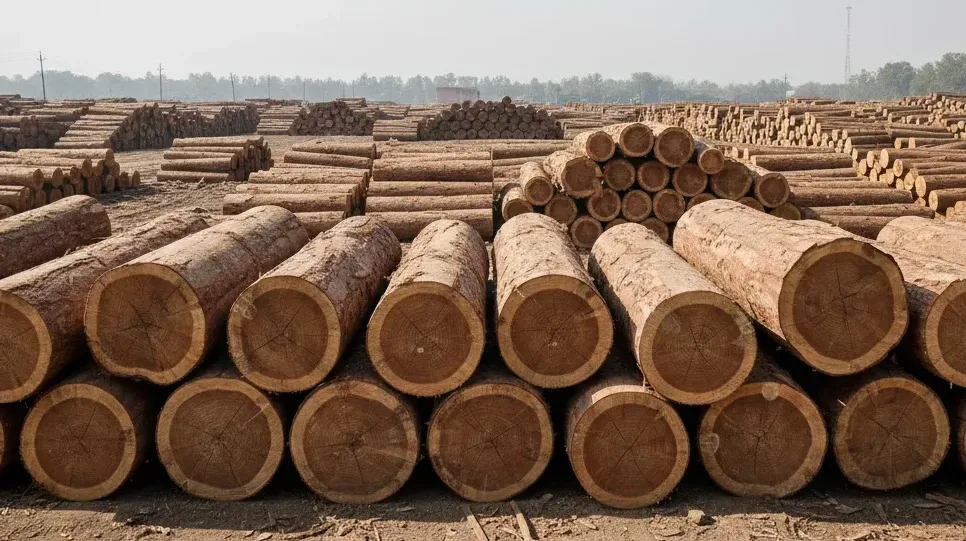
Sheesham (Indian Rosewood) is Pakistan’s most popular furniture wood for solid wood pieces. Its medium to dark brown color, prominent grain patterns, and natural durability make it ideal for dining tables, beds, and wardrobes. Sheesham is hard enough to resist daily wear but not so hard that it becomes difficult to work with. It has natural termite resistance and ages beautifully when maintained properly. Pricing is moderate to high depending on wood grade and thickness. The consistency of sheesham quality across different suppliers has improved in 2026, making it easier to find reliable sources.
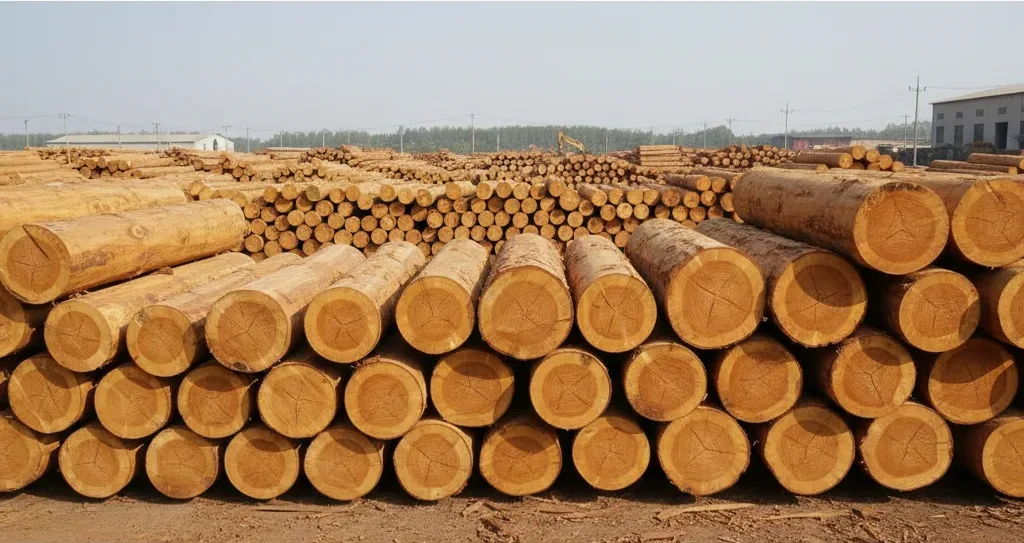
Teak is considered premium wood in Pakistan, though most teak furniture uses imported wood rather than local sources. Teak’s high natural oil content makes it exceptionally resistant to moisture, rot, and insects. It has a golden-brown color that deepens over time. Teak is ideal for outdoor furniture, bathroom fittings, and high-end indoor pieces. The main limitation is cost; genuine teak furniture is significantly more expensive than sheesham equivalents. However, teak’s exceptional durability means the higher cost can be justified for pieces that will endure harsh conditions or heavy use.
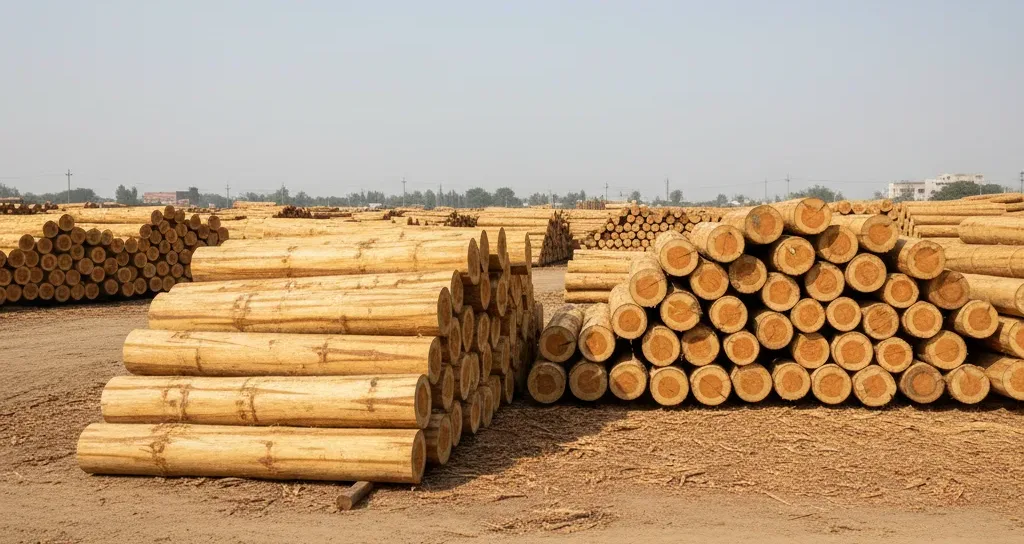
Mango wood has gained popularity in recent years as a more sustainable and affordable alternative to traditional hardwoods. Mango trees that no longer produce fruit are harvested for timber, making this an environmentally conscious choice. The wood has an attractive golden-brown color with occasional darker streaks. It is moderately hard and works well for furniture, though it requires proper seasoning to prevent warping. Pricing falls between deodar and sheesham. Mango wood’s sustainability credentials appeal to environmentally conscious buyers in 2026, as awareness of responsible sourcing continues to grow.
Deodar (Kail) is Pakistan’s primary softwood for furniture. It is lighter, softer, and more affordable than hardwoods, making it accessible to budget-conscious buyers. Deodar has a pleasant aroma and natural insect resistance. It works well for bedroom furniture and decorative pieces but is not ideal for heavy-use items. Proper seasoning is crucial to prevent cracking and warping. Despite being a softwood, well-made deodar furniture can provide many years of satisfactory service when used appropriately.
Walnut is a premium hardwood occasionally used in high-end Pakistani furniture. It has a rich, dark brown color with beautiful grain patterns that make it highly desirable for luxury pieces. Walnut is strong, stable, and works well with intricate carving. Limited local availability makes it expensive, but imported walnut is sometimes used in custom furniture projects. The deep, chocolate-brown tones of walnut create sophisticated, elegant furniture pieces that command premium prices in the luxury market.
Pine is a softwood occasionally found in Pakistani furniture, typically in children’s items or budget pieces. It has a light color and visible knots that create a rustic appearance. Pine is affordable and easy to work with but lacks the durability of hardwoods. It dents and scratches more easily, making it suitable only for light-use applications. Pine’s pale color and casual aesthetic work well in contemporary or Scandinavian-inspired interiors, though it remains a niche choice in Pakistan’s furniture market.
Oak is primarily an imported wood used in high-end furniture. It has excellent strength, distinctive grain patterns, and a light to medium brown color. Oak is highly durable and resists wear well, but its cost limits its use to luxury furniture segments. Both red oak and white oak variants are occasionally available in upscale Pakistani showrooms. Oak furniture represents the pinnacle of Western furniture tradition and appeals to buyers seeking international design aesthetics.
When evaluating wood types, consider not just appearance but also intended use, maintenance commitment, and long-term value. Hardwoods like sheesham and teak require higher upfront investment but deliver superior longevity. Softwoods like deodar offer immediate affordability but may need replacement sooner. Understanding these trade-offs helps you make informed decisions aligned with your priorities. The best wood choice depends on where the furniture will be used, how heavily it will be used, and how long you expect to keep it.
Sheesham (Indian Rosewood)
Teak
Mango wood
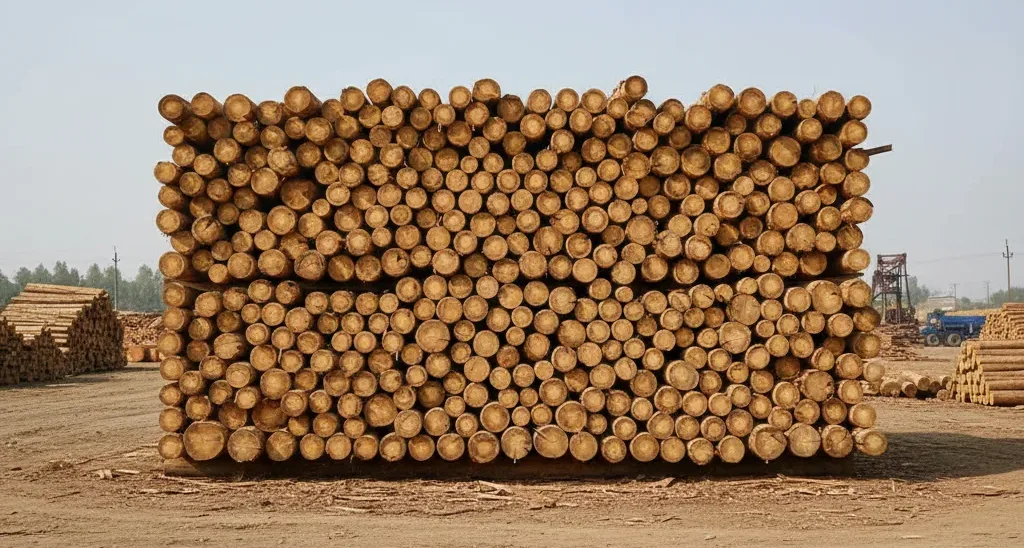
Deodar (Kail)
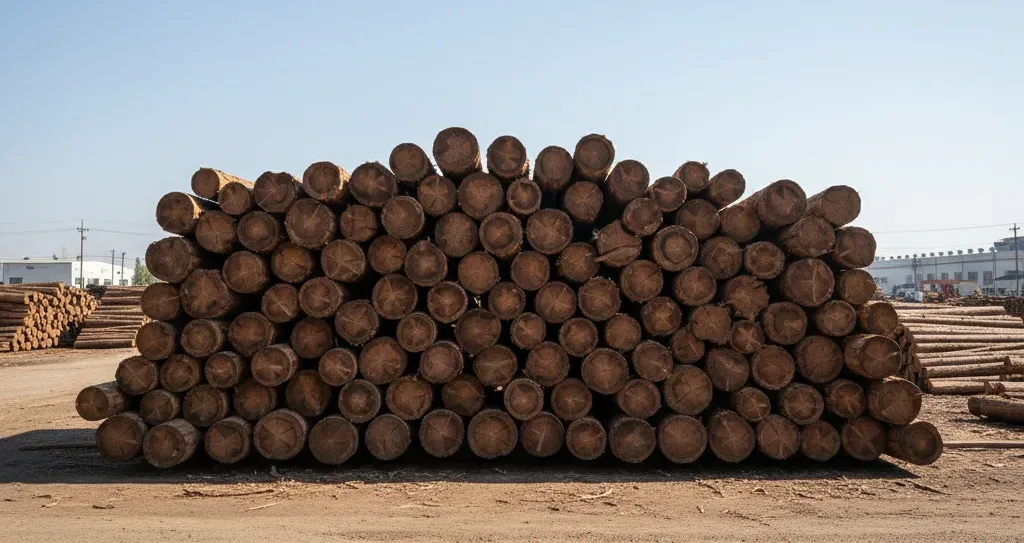
Walnut
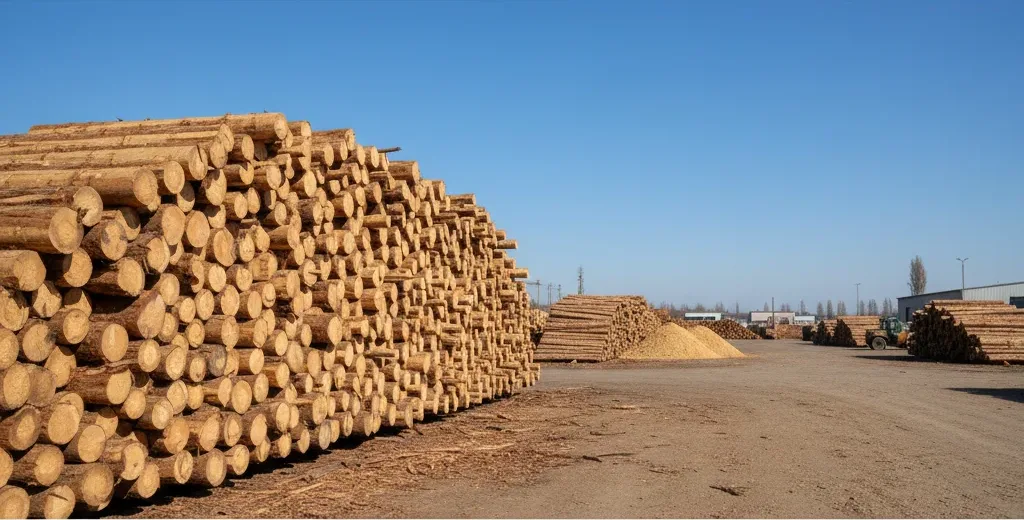
Pine
Wooden Furniture Prices in Pakistan
Understanding the pricing structure of wooden furniture in Pakistan helps buyers set realistic budgets and recognize when they are getting good value versus when they are overpaying. Prices vary significantly based on wood type, construction quality, size, design complexity, and brand reputation. The 2026 market reflects both inflation and improvements in manufacturing standards, resulting in higher baseline prices but better overall quality.
Solid sheesham wood furniture represents the mid to high end of the market. A basic four-seater dining table without chairs starts around PKR 80,000 to 100,000. With matching chairs, expect to pay PKR 140,000 to 200,000 for a complete set. King-size beds in sheesham range from PKR 90,000 to 170,000 depending on headboard design and finishing. Three-door wardrobes typically cost between PKR 170,000 and 280,000. Complete bedroom sets including bed, wardrobe, dressing table, and side tables can reach PKR 450,000 to 650,000 for quality pieces from established manufacturers.
Deodar wood furniture offers more accessible pricing. A similar four-seater dining set in deodar might cost PKR 70,000 to 110,000. King-size beds range from PKR 60,000 to 100,000. Three-door wardrobes in deodar are available for PKR 90,000 to 160,000. Complete bedroom sets can be purchased for PKR 220,000 to 380,000, roughly half the cost of sheesham equivalents. These prices make deodar an attractive option for buyers furnishing entire homes on moderate budgets.
Engineered wood furniture provides the most budget-friendly options. A complete wardrobe in laminated MDF can start as low as PKR 45,000 to 80,000. Computer desks and study tables range from PKR 18,000 to 45,000. Complete bedroom sets in engineered wood are available from PKR 110,000 to 220,000, making them accessible to young professionals and families with limited budgets. The quality gap between engineered wood and solid wood has narrowed in 2026, with premium engineered wood products offering surprisingly good performance at moderate prices.
Premium wood furniture using teak, walnut, or imported oak commands significantly higher prices. A teak dining table can start at PKR 280,000 and reach PKR 550,000 or more for larger sizes with intricate designs. Luxury bedroom sets in these materials easily exceed PKR 900,000 to 1,300,000. These pieces are typically custom-made or available only from high-end showrooms in major cities. Premium wood furniture appeals to affluent buyers who prioritize exceptional quality, unique designs, and long-term investment value.
Price variation factors include wood thickness, joinery methods, hardware quality, and finishing techniques. Furniture using thicker solid wood (1.5 to 2 inches) costs more than pieces using thinner wood with veneer overlays. Traditional mortise-and-tenon joints are stronger but more labor-intensive than simple screwed joints, affecting cost. Quality hinges, drawer slides, and handles add to the price but significantly improve functionality and longevity. These construction details separate truly premium furniture from pieces that merely look expensive.
Finishing quality also impacts pricing. Basic oil finishes are least expensive. Polyurethane coatings provide better protection but cost more. Multi-layer lacquer finishes with sanding between coats create the smoothest surface but require skilled labor and time. Hand-carved details, inlay work, or brass fittings increase prices substantially. The finishing process can account for 20 to 30 percent of total furniture cost, making it a significant factor in final pricing.
Buyers should be cautious of prices that seem too good to be true. Unusually cheap solid wood furniture often involves shortcuts: thin wood over chipboard cores, softwood substituted for hardwood, inadequate seasoning, poor joinery, or cheap hardware. These pieces may look acceptable initially but fail prematurely. Quality furniture represents an investment; paying slightly more for verified materials and construction saves money in the long run. Understanding market prices helps you identify genuine bargains versus deceptive pricing.
Seasonal sales, direct factory purchases, and bulk orders can provide legitimate discounts of 10 to 25 percent. Custom orders from local carpenters sometimes offer better value than showroom prices, but this requires careful specification of materials and design to avoid misunderstandings. Building relationships with reputable manufacturers or workshops can yield better prices and priority service over time.
Advantages of Wooden Furniture
Wooden furniture offers numerous practical and aesthetic benefits that explain its enduring popularity in Pakistani homes and offices. Understanding these advantages helps buyers appreciate what they are paying for and why wooden furniture in Pakistan often represents a better long-term investment compared to alternatives.
One of the strongest advantages of wooden furniture is its exceptional durability and longevity. Quality solid wood furniture can easily last 20, 30, or even 50 years when properly maintained. Unlike plastic or particleboard furniture that weakens, sags, or breaks over time, solid wood maintains its structural strength for decades. Research shared in Encyclopaedia Britannica’s material science overview explains that natural wood fibers provide superior resilience and strength when the wood is properly seasoned. Because of this long lifespan, the overall cost of wooden furniture becomes very reasonable when spread over many years. For example, a sheesham dining table costing PKR 150,000 and lasting 30 years effectively costs only PKR 5,000 per year, making it far more economical than cheaper furniture that requires frequent replacement.
https://www.britannica.com/science/wood-plant-tissue
Wood also offers a level of natural beauty and timeless aesthetic appeal that synthetic materials struggle to replicate. Every piece of wood has its own grain patterns, color variations, and natural markings, making each furniture item unique. According to the Wood Database, hardwoods such as sheesham and teak feature distinctive grain structures that cannot be authentically reproduced by engineered materials. This natural character allows wooden furniture to complement a wide range of interior styles, from traditional Pakistani décor to modern and minimalist homes, without ever feeling outdated.
https://www.wood-database.com
Another important advantage is the versatility and customization potential of wood. It can be carved, shaped, joined, stained, and finished in countless ways, allowing for both standard designs and fully customized furniture. Local craftsmen working with solid wood can create pieces that fit specific room dimensions or unique architectural layouts. This level of flexibility is rarely possible with factory-made synthetic furniture, making wooden furniture in Pakistan particularly valuable for homeowners seeking personalized interiors.
Wooden furniture also holds significantly better resale value compared to most alternatives. High-quality solid wood pieces retain a substantial portion of their value and, in some cases, antique or vintage furniture may even appreciate over time. Because solid wood can be repaired, refinished, and restored, it remains desirable in second-hand markets. Engineered wood furniture, once damaged or worn, usually has little to no resale value.
The ability to repair and refinish wooden furniture further extends its useful life. Scratches, dents, and worn finishes can be sanded and refinished to restore the original appearance. Broken joints can be fixed by skilled carpenters rather than requiring full replacement. Better Homes and Gardens notes that refinishing solid wood furniture is often one of the most cost-effective ways to refresh furniture and extend its lifespan, making replacement unnecessary in many cases.
Wood is also a natural, renewable, and relatively environmentally friendly material when sourced responsibly. Unlike plastic furniture made from petroleum-based materials, wood comes from a renewable resource. Organizations such as the Forest Stewardship Council promote responsible forestry practices that allow continuous harvesting without long-term environmental damage. For buyers who value sustainability, responsibly sourced wooden furniture supports environmentally conscious living.
https://fsc.org
Health and indoor air quality benefits further distinguish solid wood furniture from synthetic options. Natural wood does not release high levels of volatile organic compounds like some engineered woods and plastics. The U.S. Environmental Protection Agency highlights that reducing VOC-emitting materials indoors can significantly improve air quality. Wood also helps regulate indoor humidity by naturally absorbing and releasing moisture, creating a more comfortable living environment.
https://www.epa.gov/indoor-air-quality-iaq
Beyond practical benefits, wooden furniture carries strong psychological and cultural value in Pakistani society. Owning quality wooden furniture is often seen as a symbol of stability, achievement, and long-term settlement. Many families consider wooden furniture a generational investment, passing pieces down over time and associating them with family memories and milestones. This emotional and cultural connection adds value that goes far beyond basic functionality and further explains the lasting appeal of wooden furniture in Pakistan.
Disadvantages & Things to Consider
While wooden furniture offers numerous benefits, buyers should also understand its limitations and requirements to make informed decisions and avoid disappointment after purchase. Being aware of these considerations helps set realistic expectations and determine whether wooden furniture in Pakistan truly suits your lifestyle, budget, and long-term plans.
The higher upfront cost is the most noticeable drawback. Quality solid wood furniture requires a significant initial investment compared to engineered wood or synthetic alternatives. Consumer Reports explains that solid wood furniture is priced higher because it is designed for long-term durability rather than short replacement cycles. For buyers with limited budgets or temporary living arrangements, this level of investment may not feel practical. A complete bedroom set made from solid sheesham can cost as much as a well-maintained used car, making it a serious financial decision for many Pakistani households.
Wooden furniture is also sensitive to environmental conditions, particularly changes in humidity and temperature. Wood naturally absorbs moisture in humid conditions and releases it when the air becomes dry. The U.S. Forest Products Laboratory explains that this expansion and contraction can lead to warping, cracking, or joint movement when exposure is extreme or prolonged. In Pakistan’s climate, where monsoon humidity and dry winters are common, furniture placement away from direct heat sources and excessive moisture becomes essential.
https://www.fs.usda.gov/research/fpl
Maintenance requirements are another important consideration. Unlike synthetic furniture, wood needs regular dusting, periodic polishing, and protection from direct sunlight to preserve its finish. Better Homes and Gardens notes that neglecting routine care can significantly shorten the lifespan of wooden furniture. While these tasks are not complex, buyers seeking completely maintenance-free furniture may find the upkeep demanding. However, consistent care greatly improves longevity and appearance.
Weight and mobility can create practical challenges as well. Solid wood furniture is considerably heavier than engineered wood options, making it harder to move during cleaning or relocation. This can be inconvenient for residents of upper-floor apartments without elevators or for people who move frequently. In contrast, lighter engineered wood furniture may better suit Pakistan’s rental market, where mobility is often a priority for young professionals.
Wooden furniture is also vulnerable to pests, especially termites and wood-boring insects in certain regions of Pakistan. The Environmental Protection Agency explains that untreated or poorly protected wood is more susceptible to termite damage. Although hardwoods such as sheesham offer natural resistance, they are not completely immune. Regular inspection and preventive treatment remain necessary to protect furniture from costly and often hidden damage.
Another challenge lies in verifying material quality at the time of purchase. Some sellers misrepresent products by using thin veneers over low-quality cores while claiming solid wood construction. The Wood Database highlights that checking grain continuity, furniture weight, and exposed joints is essential for identifying genuine solid wood. Despite improved awareness and tools in 2026, buyers still need to remain cautious and informed.
https://www.wood-database.com
Surface damage is also a factor, particularly with softer wood species. Woods like deodar are more prone to scratches and dents than harder varieties. Fine Woodworking explains that softer woods require extra surface protection in active households. Families with children or pets may need to use pads, coasters, and protective coverings to minimize everyday wear.
https://www.finewoodworking.com
Design flexibility over time can also be limited. Wooden furniture often represents a long-term commitment to a particular aesthetic. Architectural Digest notes that heavily carved or traditional furniture may not adapt easily to modern or minimalist interior trends as tastes evolve. Synthetic furniture, while less durable, can be replaced more affordably when design preferences change.
https://www.architecturaldigest.com
Natural variation is another aspect buyers must accept. No two pieces of wood are identical, even when made from the same species. Differences in grain, color, and texture are inherent characteristics of real wood. The Spruce explains that these variations are natural features rather than defects. While many buyers appreciate this uniqueness, others may prefer the uniform appearance of manufactured materials.
These disadvantages do not outweigh the benefits of wooden furniture, but they do require honest self-assessment. Buyers should consider their budget, climate conditions, maintenance willingness, lifestyle, and long-term plans before making a purchase. For some households, engineered wood or hybrid furniture solutions may provide a better balance between practicality and aspiration. Making thoughtful decisions ensures that wooden furniture in Pakistan enhances daily living rather than becoming a source of regret.
Wooden Furniture for Home vs Office
The choice between different wooden furniture types often depends on whether the setting is residential or commercial. Home and office environments have different usage patterns, aesthetic requirements, and budget considerations that influence optimal furniture selection.
Home furniture typically prioritizes comfort, aesthetics, and personal expression alongside functionality. Residential buyers often invest more per piece because they will interact with furniture daily for many years. Emotional factors play larger roles in home furniture decisions. A dining table where families gather for meals carries sentimental value beyond its functional purpose. This justifies higher spending on solid wood pieces that will become part of family memories and potentially be passed to future generations. The emotional connection between families and their furniture creates value that transcends purely economic calculations.
Homes accommodate a wider variety of design styles and wood types. Personal taste drives selection rather than corporate branding or standardization. One room might feature traditional carved sheesham pieces while another uses minimalist mango wood furniture. This design freedom allows homeowners to experiment and evolve their spaces over time. Homes can reflect personal journeys and changing tastes in ways that office spaces cannot, making furniture selection a form of self-expression.
Residential furniture maintenance is usually performed by household members rather than professional staff. This makes durability and easy care important but does not require commercial-grade wear resistance. A home office desk endures significantly less use than a corporate office desk serving multiple shifts. This allows homeowners to choose slightly less expensive options without sacrificing appropriate quality. Understanding actual usage intensity prevents over-investment in unnecessary durability.
Office furniture emphasizes functionality, durability, and cost-effectiveness across multiple units. Commercial buyers typically purchase furniture in bulk for uniformity and often work with tighter per-unit budgets spread across more pieces. A corporate office furnishing 50 workstations cannot afford the same per-desk investment as a homeowner furnishing one home office. This economic reality shapes commercial furniture decisions, prioritizing practical performance over aesthetic ambition.
Offices require furniture that withstands intensive daily use by multiple people with varying levels of care. This favors harder woods or high-quality engineered materials with durable finishes. Sheesham or teak work well for executive offices and conference rooms where impression matters. Engineered wood with laminate finishes often makes more sense for general staff workstations where cost-per-unit is crucial. Understanding the performance requirements of different office spaces allows strategic allocation of furniture budgets for maximum effect.
Aesthetic consistency matters more in office environments than homes. Corporate settings benefit from uniform appearance that creates professional ambiance and reflects brand identity. This often means choosing furniture collections where all pieces share design language rather than mixing different styles. Standardization also simplifies maintenance and replacement. However, the trend in 2026 leans toward more personalized office environments that balance consistency with individual expression, particularly in creative industries.
Office furniture must accommodate ergonomic requirements and modern technology integration. Desks need proper height, cable management, and sufficient surface area for monitors and equipment. Conference tables require power and data access points. These functional demands often take priority over decorative elements that might be more important in residential contexts. As remote work becomes more common, the line between home and office furniture requirements continues to blur, with many buyers seeking furniture that serves both purposes effectively.
Budget allocation strategies differ significantly. Home buyers might save for months to purchase a quality bedroom set, viewing it as a major investment. Office furniture budgets are typically part of broader operational expenses where cost control and depreciation schedules influence decisions. This encourages offices toward mid-range engineered wood options that balance appearance with financial practicality. Understanding these budget dynamics helps buyers make appropriate choices for their specific situations.
Replacement cycles also differ. Home furniture is often used until it fails or no longer fits the space. Office furniture might be replaced on scheduled cycles as part of workplace refreshes, regardless of condition. This shorter expected lifespan can justify less expensive options in commercial settings. However, quality office furniture that exceeds expectations often gets extended use, making durability investment worthwhile even in commercial contexts.
Hybrid situations like home offices or small business premises require balanced approaches. A home office used for professional client meetings benefits from solid wood pieces that project success and stability. A back-office workspace might use more economical engineered wood. Understanding which spaces need impression-level furniture versus which need only functional furniture helps optimize spending. This strategic approach ensures furniture investments support business goals without unnecessary expense.
Best Cities for Wooden Furniture in Pakistan
Pakistan’s furniture industry concentrates in specific cities and regions, each with distinct specializations, craftsmanship traditions, and price advantages. Understanding these regional differences helps buyers source furniture more effectively and potentially save money through direct purchases.
Chiniot is undoubtedly Pakistan’s most famous furniture city, with a centuries-old reputation for exceptional woodworking craftsmanship. Located in Punjab, Chiniot specializes in intricately carved solid wood furniture featuring traditional Pakistani and Mughal-inspired designs. The city’s artisans are renowned for their hand-carving skills, creating detailed floral patterns, geometric designs, and calligraphy on furniture surfaces. The craftsmanship tradition passes through generations, ensuring consistent quality and authentic techniques.
Chiniot furniture commands premium prices due to craftsmanship quality, but buying directly from Chiniot workshops offers better value than purchasing through showrooms in other cities that add retail markup. Many Chiniot manufacturers operate showrooms and accept custom orders. The main furniture market area allows comparison shopping across dozens of workshops. Buyers willing to visit Chiniot personally or work through trusted intermediaries can access authentic craftsmanship at more reasonable prices. In 2026, many Chiniot manufacturers have established online presences, making it easier to browse designs and communicate requirements remotely before visiting.
Lahore serves as Pakistan’s design and furniture capital with the highest concentration of modern showrooms, interior design studios, and furniture retailers. The city offers everything from traditional carved pieces to contemporary minimalist designs. Lahore’s furniture district around Hall Road, Township, and Johar Town features hundreds of manufacturers and retailers competing for buyers. The competitive environment drives innovation and keeps quality standards high.
Lahore’s advantage is variety and accessibility. Buyers can compare multiple brands, styles, and price points in one city. Many national furniture brands have flagship showrooms in Lahore showcasing full product ranges. However, retail prices in Lahore showrooms tend to be higher than direct factory purchases elsewhere due to real estate costs and retail overhead. The convenience and selection justify higher prices for many buyers, particularly those seeking contemporary designs rather than traditional carved pieces.
Karachi, Pakistan’s largest city, has a massive furniture market driven by its large population and diverse economic segments. The city’s furniture offerings range from imported luxury brands in upscale showrooms to local manufacturers producing affordable options. Key furniture areas include New Karachi, Federal B Area, and SITE industrial areas. The scale and diversity of Karachi’s market mean buyers can find virtually any furniture type or price point.
Karachi’s advantage is international exposure and imported options. The city’s port access means better availability of imported woods and hardware. Higher-income areas support luxury furniture showrooms carrying premium brands. However, intense competition and varied quality require careful evaluation before purchasing. Karachi’s furniture market rewards knowledgeable buyers who can identify quality but can mislead those unfamiliar with industry standards.
Islamabad and Rawalpindi form a twin-city furniture market combining capital city purchasing power with industrial production capacity. Rawalpindi’s Saddar, Raja Bazaar, and industrial areas house numerous furniture manufacturers, while Islamabad’s upscale sectors feature modern showrooms targeting affluent buyers. Prices fall between Lahore and smaller cities. The combination provides good balance between variety and value.
Faisalabad is Punjab’s third major furniture hub, particularly strong in engineered wood and mid-range furniture production. The city’s furniture manufacturers focus on cost-effective production for middle-income buyers. Faisalabad offers better value than Lahore for standard designs without premium craftsmanship requirements. Buyers seeking practical, affordable furniture without elaborate details often find Faisalabad manufacturers ideal partners.
Gujranwala, Sialkot, and Gujrat in northern Punjab have smaller but significant furniture industries, often specializing in particular categories or wood types. These cities offer authentic products at reasonable prices with less tourist markup compared to major centers. Buyers with specific requirements sometimes find better options in these smaller manufacturing hubs. The personalized service and competitive pricing in these cities appeal to informed buyers.
Peshawar in Khyber Pakhtunkhwa has traditional furniture makers, particularly for deodar wood furniture. The city’s proximity to northern wood sources provides cost advantages for softwood furniture. Peshawar’s traditional Afghan-influenced designs offer unique aesthetic options not commonly found in Punjab. Buyers interested in distinctive styles or deodar furniture should consider Peshawar sources.
Regional price differences can be substantial. Buying directly from manufacturing cities like Chiniot or Faisalabad can save 20 to 40 percent compared to retail showrooms in Lahore or Islamabad. However, direct purchases require more effort in terms of quality verification, design specification, and transportation arrangements. For custom orders, visiting manufacturing centers allows direct communication with craftsmen, ensuring your requirements are properly understood and executed. This direct relationship often results in better outcomes than working through intermediaries.
When sourcing furniture from different cities, consider transportation costs and logistics. A slightly higher local price might be more economical than distant purchases once you factor in shipping and potential damage risks. Many manufacturers offer delivery services to major cities, but verify these details before committing to purchases from distant locations. Understanding total delivered cost prevents unpleasant surprises and helps make accurate price comparisons.
Care & Maintenance Tips
Proper care and maintenance significantly extend wooden furniture’s life and preserve its appearance. Understanding basic maintenance practices helps buyers protect their investments and ensure furniture remains functional and attractive for decades.
Regular dusting is the simplest but most important maintenance task. Dust accumulation traps moisture and can scratch surfaces during cleaning if not removed properly. Use soft, lint-free cloths or microfiber dusters to remove dust weekly. Avoid feather dusters that can scratch surfaces. For carved or detailed areas, soft paintbrushes work well to remove dust from crevices. Establishing a consistent dusting routine prevents buildup and maintains furniture appearance with minimal effort.
Proper cleaning techniques prevent damage while maintaining hygiene. For routine cleaning, use a slightly damp cloth wrung nearly dry, then immediately wipe with a dry cloth. Never use excessive water on wooden surfaces, as moisture can penetrate finishes and damage wood. For stubborn spots, use cleaners specifically formulated for wood furniture. Avoid harsh chemicals, ammonia-based cleaners, or abrasive scrubbers that can damage finishes. Understanding proper cleaning methods prevents well-intentioned maintenance from causing harm.
Polishing and conditioning restore luster and protect wood surfaces. Use quality wood polish or conditioner every three to six months depending on usage intensity. Polish nourishes wood, fills minor scratches, and provides protective layers against moisture and stains. Apply thin layers with soft cloths, following grain direction, then buff to shine. Avoid silicone-based polishes that create build-up over time. Quality polishing products enhance appearance while providing practical protection.
Protect surfaces from heat and moisture to prevent permanent damage. Always use coasters under beverages, placemats under dishes, and protective pads under hot items. Water rings, heat marks, and condensation stains can penetrate finishes and discolor wood. For dining tables subject to regular use, consider protective table pads during meals that can be removed when not needed. These simple precautions prevent damage that requires expensive refinishing to correct.
Control environmental conditions where wooden furniture is placed. Maintain moderate, stable humidity levels when possible. Avoid placing furniture directly against exterior walls where temperature fluctuations are greatest. Keep furniture away from heating vents, radiators, and air conditioning units that create extreme temperature gradients. Use humidifiers during dry seasons and dehumidifiers during monsoons to minimize wood movement. While perfect environmental control is not always possible, awareness of these factors helps minimize climate-related damage.
Protect from direct sunlight which fades finishes and dries out wood. Position furniture away from windows receiving intense direct sun, or use curtains and blinds during peak sunlight hours. Rotate decorative items occasionally so fading occurs evenly if some sun exposure is unavoidable. UV-protective window films can help reduce sun damage in sun-exposed rooms. Protecting furniture from sunlight preserves color and finish quality for many additional years.
Address spills immediately to prevent stains and water damage. Blot liquids quickly with absorbent cloths rather than wiping, which spreads spills. For sticky substances, use slightly damp cloths then dry thoroughly. Do not allow liquids to sit on wood surfaces even briefly. For tougher stains, consult wood care specialists rather than attempting aggressive cleaning that might damage finishes. Quick response to spills prevents minor incidents from becoming permanent problems.
Inspect for pest activity periodically, especially in regions with termite prevalence. Look for small holes, sawdust-like residue, or hollow-sounding wood when tapped. Early detection allows effective treatment before severe damage occurs. Annual professional inspections provide peace of mind in high-risk areas. Pest prevention is far more effective and economical than pest remediation after significant damage has occurred.
Tighten hardware periodically to maintain structural integrity. Screws naturally loosen over time with furniture movement and use. Check drawer slides, door hinges, and table legs annually, tightening as needed. This simple maintenance prevents more serious problems like drawer misalignment or unstable surfaces. Regular hardware checks take minimal time but prevent safety hazards and functional problems.
Refinishing when necessary restores heavily worn or damaged furniture. Minor scratches can be touched up with matching stain markers. More extensive wear requires professional refinishing involving stripping old finish, sanding, staining, and applying new protective coatings. While expensive, refinishing is much cheaper than replacing quality solid wood furniture and can make pieces look new again. In 2026, mobile refinishing services have become more common, making professional restoration more convenient and accessible.
Proper storage matters if furniture must be temporarily stored. Climate-controlled storage is ideal. Cover furniture with breathable materials like cotton sheets, not plastic which traps moisture. Elevate pieces slightly off floors to avoid moisture contact. Disassemble furniture when possible to reduce stress on joints during storage and moving. Proper storage prevents damage during transitional periods when furniture is not actively used.
These maintenance practices require modest time investment but deliver substantial returns in furniture longevity and appearance. Buyers who commit to proper care protect their financial investment while ensuring their homes remain beautiful and comfortable over many years. Maintenance is not a burden but rather an investment that multiplies the value of quality furniture purchases.
FAQs – Wooden Furniture in Pakistan
Sheesham is generally considered the best overall choice for furniture in Pakistan because it balances durability, appearance, termite resistance, availability, and cost. It is a true hardwood that withstands daily use while displaying attractive grain patterns. For premium furniture, teak offers superior moisture resistance and longevity but costs significantly more. For budget-conscious buyers, deodar provides adequate quality for bedroom furniture and light-use applications. The best wood ultimately depends on your specific needs, budget, and intended use rather than a single universal answer. Consider where the furniture will be used, how heavily it will be used, and your long-term ownership plans when selecting wood types.
Wooden furniture prices vary dramatically based on wood type, size, and quality. Engineered wood furniture starts around PKR 18,000 for small items like study tables, with complete bedroom sets available from PKR 110,000. Deodar solid wood furniture ranges from PKR 60,000 for basic beds to PKR 380,000 for complete bedroom sets. Sheesham furniture prices begin around PKR 90,000 for dining tables and can exceed PKR 650,000 for complete bedroom sets. Premium woods like teak command even higher prices, with luxury pieces easily exceeding PKR 1,000,000. Realistic budgeting requires defining specific furniture needs rather than general estimates. Price research across multiple sources helps establish fair market values and identify good deals.
Neither is universally better; each serves different needs. Solid wood furniture offers superior durability, longevity, repairability, and resale value. It lasts decades with proper care and can be refinished multiple times. Engineered wood provides lower cost, dimensional stability, and adequate quality for temporary situations or tight budgets. For long-term residential use where budget allows, solid wood represents better overall value despite higher upfront cost. For rental properties, temporary housing, or situations where furniture will be replaced in a few years, engineered wood makes more financial sense. The best choice aligns with your specific circumstances, budget, and time horizon. Consider your actual usage patterns and future plans rather than making decisions based on prestige alone.
Maintaining wooden furniture requires regular dusting with soft cloths, avoiding excessive water exposure, using coasters and placemats to protect surfaces, applying quality wood polish every few months, and keeping furniture away from direct sunlight and heat sources. Clean spills immediately, control humidity levels when possible, and inspect periodically for pest activity. Tighten hardware as needed and refinish surfaces when they become worn or scratched. These simple practices dramatically extend furniture life and maintain appearance. Most maintenance requires minimal time and expense but delivers substantial protection for your investment. Establishing consistent maintenance routines makes care easier and prevents major problems from developing.
Chiniot is renowned for exceptional hand-carved solid wood furniture with centuries of craftsmanship tradition, offering the best value for premium carved pieces when bought directly. Lahore provides the widest variety with hundreds of showrooms but typically charges higher retail prices. Faisalabad specializes in cost-effective mid-range furniture. Karachi offers international variety and imported options. Islamabad and Rawalpindi balance variety with reasonable pricing. For custom carved furniture, Chiniot remains unmatched. For modern designs and variety, Lahore leads. For value-focused purchases, buying directly from manufacturing cities like Chiniot or Faisalabad provides savings of 20 to 40 percent compared to retail showrooms in major cities. Consider transportation costs and logistics when evaluating distant purchases to calculate true delivered costs.
Hardwoods like sheesham and teak have natural termite resistance due to their density and chemical compounds, but they are not completely immune. New furniture from reputable manufacturers typically receives preventive treatment during production. In areas with high termite activity, annual inspections and preventive treatments provide additional protection. Proper placement away from moisture-prone areas reduces termite attraction. Early detection through periodic inspection allows effective treatment before serious damage. While termite risk exists, it should not prevent wooden furniture purchase in Pakistan. Reasonable precautions and regular monitoring adequately protect furniture in most circumstances. Understanding regional termite activity levels helps determine appropriate prevention measures for your location.
Certain woods like teak, cedar, and treated deodar can withstand outdoor conditions better than others, but all wooden furniture benefits from protection from direct weather exposure. Covered patios and verandas allow wooden furniture use with minimal weather exposure. Untreated wood exposed to Pakistan's monsoon rains will deteriorate rapidly through warping, cracking, and rot. If outdoor furniture is needed, choose teak for its natural oil content and moisture resistance, apply weather-resistant finishes, and bring furniture indoors during extended rainy periods. Purpose-built outdoor furniture using appropriate woods and finishes performs better than indoor furniture moved outside. Understanding the limitations of different woods helps prevent disappointment and premature furniture failure in outdoor settings.
Conclusion
Wooden furniture in Pakistan represents a significant investment that combines functionality, aesthetics, and cultural value. Whether you choose solid sheesham for long-term durability, affordable deodar for bedroom applications, or cost-effective engineered wood for budget-conscious purchases, understanding the differences between wood types, construction methods, and quality indicators ensures you make informed decisions aligned with your specific needs.
The Pakistani furniture market offers exceptional variety, from Chiniot’s hand-carved masterpieces to Lahore’s modern showrooms and Faisalabad’s value-oriented manufacturers. By researching wood characteristics, verifying material authenticity, comparing prices across different cities, and committing to proper maintenance practices, buyers can secure furniture that serves their households faithfully for decades while providing daily comfort and visual appeal.
Successful furniture purchases require balancing immediate budget constraints with long-term value considerations. While quality solid wood furniture demands higher upfront investment, its durability, repairability, and timeless aesthetic typically deliver better overall value than cheaper alternatives requiring frequent replacement. For buyers committed to their homes and willing to invest appropriately, wooden furniture in Pakistan remains an excellent choice that enhances living spaces while serving practical needs for generations.
As we move through 2026, the furniture industry continues evolving with improved manufacturing standards, better transparency in material sourcing, and enhanced customer education. These developments make it easier than ever for informed buyers to find genuine quality at fair prices. By applying the knowledge and insights shared in this guide, you can navigate Pakistan’s furniture market confidently, making purchases that genuinely improve your quality of life while representing sound financial investments. The key is matching furniture choices to your actual needs, usage patterns, and long-term plans rather than following trends or making decisions based on incomplete information.
Our More Blogs
Premium vs Cheap Furniture…
February 10, 2026
4

Online Furniture Shopping in…
February 4, 2026
1
Best Furniture Shops in…
February 3, 2026
1