Introduction
Workspaces today are designed around productivity, efficiency, and long periods of desk work. In many professional environments, employees, managers, and decision makers spend a significant portion of their day seated while managing tasks, meetings, and digital workflows. Because of this, the quality of the seating used in an office directly influences comfort, posture stability, and overall work performance. A poorly designed chair can place continuous pressure on the lower back, restrict natural body movement, and gradually contribute to fatigue during extended work sessions.
An executive office chair is designed to address these challenges by combining structural support, ergonomic positioning, and premium construction. Unlike basic seating options, executive chairs are built with high-back support, durable materials, and adjustable mechanisms that help maintain proper posture during long hours of desk work. These chairs are commonly used by managers, directors, and professionals who require a comfortable and supportive seating solution that reflects the professional environment of a modern office.
When chosen carefully, executive chairs, often referred to as boss chairs or office chair boss models, provide both functional comfort and a refined appearance that complements contemporary office interiors.
When you choose an office chair, make sure that you can spend your long workdays on it easily without facing any kind of problem. Sometimes you work on desk-focused tasks, and it can be difficult for people to spend their entire day sitting without proper support. Therefore, a comfortable office chair is mandatory for complete workplace comfort. Your chair plays a very critical role in your daily sitting routine. An executive office chair is specially designed for comfort and support. If you have posture awareness, you understand that an office chair is an important part of a productive workspace. This approach is very helpful for improving both productivity and comfort during long working hours.
What is an Executive Office Chair?
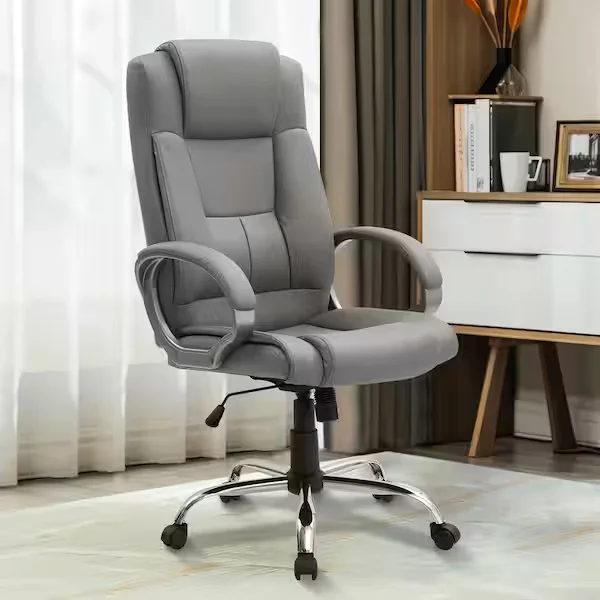
An executive office chair is a high-back professional seating solution designed for leadership workspaces such as executive offices, management desks, and decision-making environments. It combines structural comfort and principles of ergonomics that improve sitting posture during desk work. These chairs are built to support extended desk work while maintaining a balanced posture throughout the workday.
One of the defining characteristics of executive chairs is their high-back design. The extended backrest supports the entire upper body, including the lower back, shoulders, and neck. This structure helps distribute body weight more evenly and reduces pressure on the spine during long sitting sessions. Many models also include integrated lumbar support, padded headrests, and adjustable tilt mechanisms that allow the user to maintain a natural sitting position while working.
Compared with a standard office chair, an office chair boss model generally offers a larger frame, thicker cushioning, and higher-quality upholstery materials such as leather, premium fabric, or breathable mesh. Regular office chairs are typically designed for general workstation use and may focus primarily on basic adjustability. Executive seating, however, emphasizes comfort for prolonged use, stronger construction, and a more formal design that suits executive offices and meeting rooms.
Because of these features, boss chairs are commonly selected by managers, company directors, department heads, and professionals who spend significant time at their desks making decisions, attending virtual meetings, and reviewing documents. The chair becomes an essential part of the workspace, supporting both physical comfort and the professional appearance of the office environment.
When we create a professional workspace atmosphere, it is important that all office furniture, such as chairs and tables, looks both professional and comfortable. In many organizations, the executive or leadership office is one of the most important spaces. This area should be designed carefully because it represents the professional environment of the organization. Executives are responsible for handling daily managerial responsibilities and making important strategic decisions. During long strategy meetings, it is important that the office environment remains comfortable and well organized. If the executive’s personal seating comfort is not adequate, the entire workday can become uncomfortable and may even lead to problems such as back pain. In addition, when a client or visitor enters the office, they often form an impression based on the workspace environment. A well-designed executive office environment therefore plays an important role in presenting a professional image.
Key Features of an Executive Office Chair
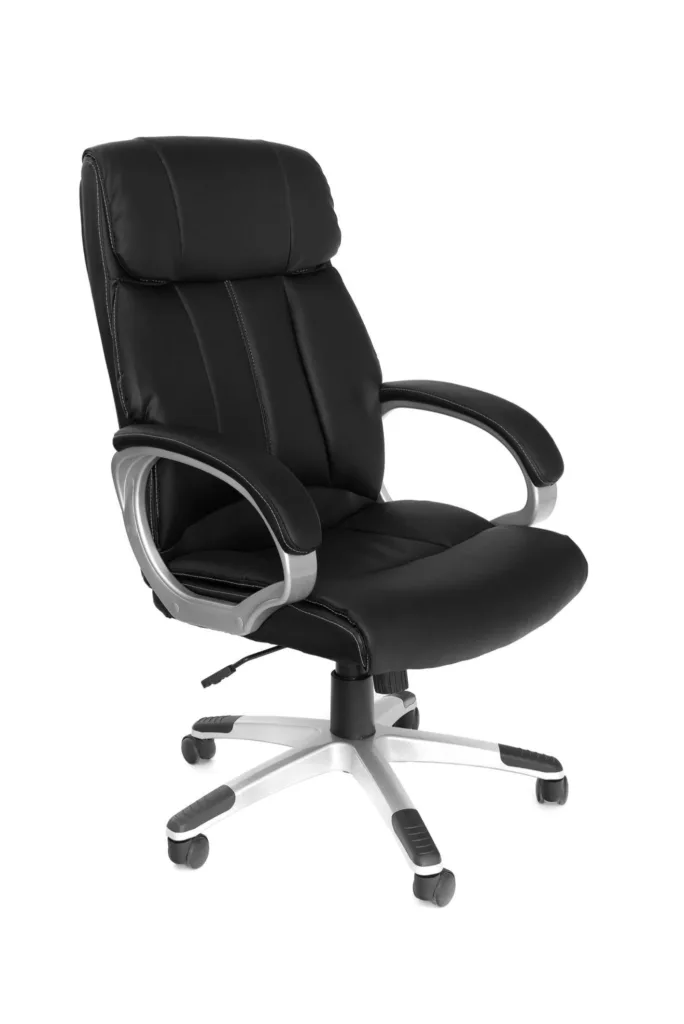
High Back Support
A defining characteristic of an executive office chair is its extended high-back structure. Unlike standard task seating, the backrest of an executive chair is designed to support the entire upper body, including the lower spine, upper back, shoulders, and often the neck area. This design helps maintain a stable sitting posture during long work sessions and reduces the pressure that normally builds in the spine when a chair lacks proper vertical support.
High-back support plays an important role in maintaining natural spinal alignment. When the backrest follows the natural curve of the spine, the user is less likely to lean forward or slump during desk work. Over time, this structural support can reduce fatigue and improve overall sitting comfort, particularly for professionals who remain seated for extended periods while managing meetings, reviewing documents, or working on computers.
Adjustable Armrests
Arm support is another essential component of well-designed executive chairs. Adjustable armrests allow the user to position their arms at a height that aligns with the desk surface and keyboard level. This alignment helps reduce strain on the shoulders and upper back, especially during continuous computer use.
When armrests are properly adjusted, the elbows remain in a relaxed position and the shoulders stay neutral rather than lifted or dropped. This small adjustment significantly improves comfort during long work sessions and allows the body to maintain a more balanced sitting posture. For professionals who spend several hours typing, writing, or attending virtual meetings, supportive armrests contribute to a more stable and comfortable workstation setup.
Lumbar Support
Proper lower back support is one of the most important features of a high-quality office chair boss model. The lumbar region of the spine naturally curves inward, and when this curve is not supported, the body tends to shift into a slouched position. Over time, this posture can create tension in the lower back and cause discomfort during prolonged sitting.
Executive seating is often designed with built-in lumbar support that follows the natural curve of the spine. This support helps maintain proper posture and reduces pressure on the lower back muscles. In many executive chairs, the cushioning in the lumbar area is reinforced or shaped to keep the back properly aligned throughout the day.
Premium Materials
The materials used in boss chairs directly influence both durability and comfort. Executive chairs are typically manufactured using higher-grade materials compared with standard office seating. Upholstery may include genuine leather, high-quality synthetic leather, breathable mesh, or durable fabric designed for long-term use.
Leather executive chairs are often selected for formal offices because they offer a refined appearance and long-lasting durability. Mesh designs, on the other hand, provide increased airflow, which can help maintain comfort during extended sitting periods in warmer environments. The internal cushioning is usually thicker and denser in executive seating, ensuring the seat maintains its shape and support over time.
Swivel and Mobility
Mobility is another functional feature expected from a modern executive office chair. Most models include a 360-degree swivel base that allows the user to rotate freely without needing to move the entire chair. This rotational movement helps professionals access documents, computer screens, or nearby work surfaces without placing unnecessary strain on the back.
The base of the chair is typically supported by smooth-rolling caster wheels that allow easy movement across the office floor. Whether repositioning at the desk, moving between workstations, or adjusting seating position during meetings, this mobility contributes to a more flexible and efficient workspace. A stable swivel base combined with durable wheels ensures that the chair remains practical for daily office use while maintaining balance and structural stability.
Benefits of Using an Executive Office Chair
Using a well-designed executive office chair can significantly improve the daily working experience in professional environments. Because many office tasks require extended sitting, the structure and quality of the chair directly influence posture, comfort, and long-term physical well-being. Executive seating is specifically engineered to support these needs while maintaining the professional appearance expected in modern offices.
One of the primary advantages of executive chairs is improved posture support. The high-back structure and integrated lumbar design encourage the body to maintain a natural spinal alignment while sitting. When the spine remains properly supported, the risk of slouching or leaning forward decreases. Maintaining this alignment helps reduce unnecessary strain on the neck, shoulders, and lower back during desk work.
Comfort during long working hours is another important benefit. Many professionals spend the majority of their day reviewing documents, participating in meetings, and working on computers. A standard chair with minimal padding or support often becomes uncomfortable over time. A properly constructed office chair boss model uses thicker cushioning, supportive backrests, and adjustable components that allow the user to maintain comfort throughout extended work sessions.
Executive seating also contributes to the visual professionalism of an office environment. Leadership spaces such as executive offices, boardrooms, and managerial workstations often require furniture that reflects authority and organization. Boss chairs are typically designed with premium materials and refined aesthetics that complement formal office interiors and create a more structured workspace appearance.
Another key benefit is the reduction of back strain. When a chair provides proper lumbar support and balanced weight distribution, pressure on the lower spine is reduced. Over time, this support can help prevent the discomfort that commonly develops when individuals sit for long periods without adequate back support.
Improved comfort and posture can also contribute to better work efficiency. When professionals are not constantly adjusting their seating position due to discomfort, they can focus more consistently on their tasks. A well-designed executive office chair supports a stable working posture, allowing individuals to maintain concentration and productivity throughout the workday.
During long desk hours, a good chair provides the comfort and freshness that workers need to stay focused throughout the day. In an everyday office routine, employees often spend many hours sitting while completing different tasks. Because of this, it becomes very difficult for someone to continue working while using an uncomfortable chair. When you use a well-designed office chair, you can clearly notice the difference compared to a basic seating option. Many professionals experience a noticeable comfort difference after upgrading their chair, especially during extended computer work. A high-quality office chair also helps support the body properly, which can lead to posture improvement after upgrading chair. Over time, the right chair contributes to better daily workspace comfort and allows professionals to complete their tasks more efficiently without unnecessary physical strain.
Executive Office Chair vs Ergonomic Office Chair
When selecting office seating, many buyers compare an executive office chair with an ergonomic chair because both are designed for desk-based work. While the two categories share some functional similarities, their design priorities, structure, and typical use cases are different. Understanding these differences helps professionals choose the right chair based on their working style, comfort requirements, and office environment.
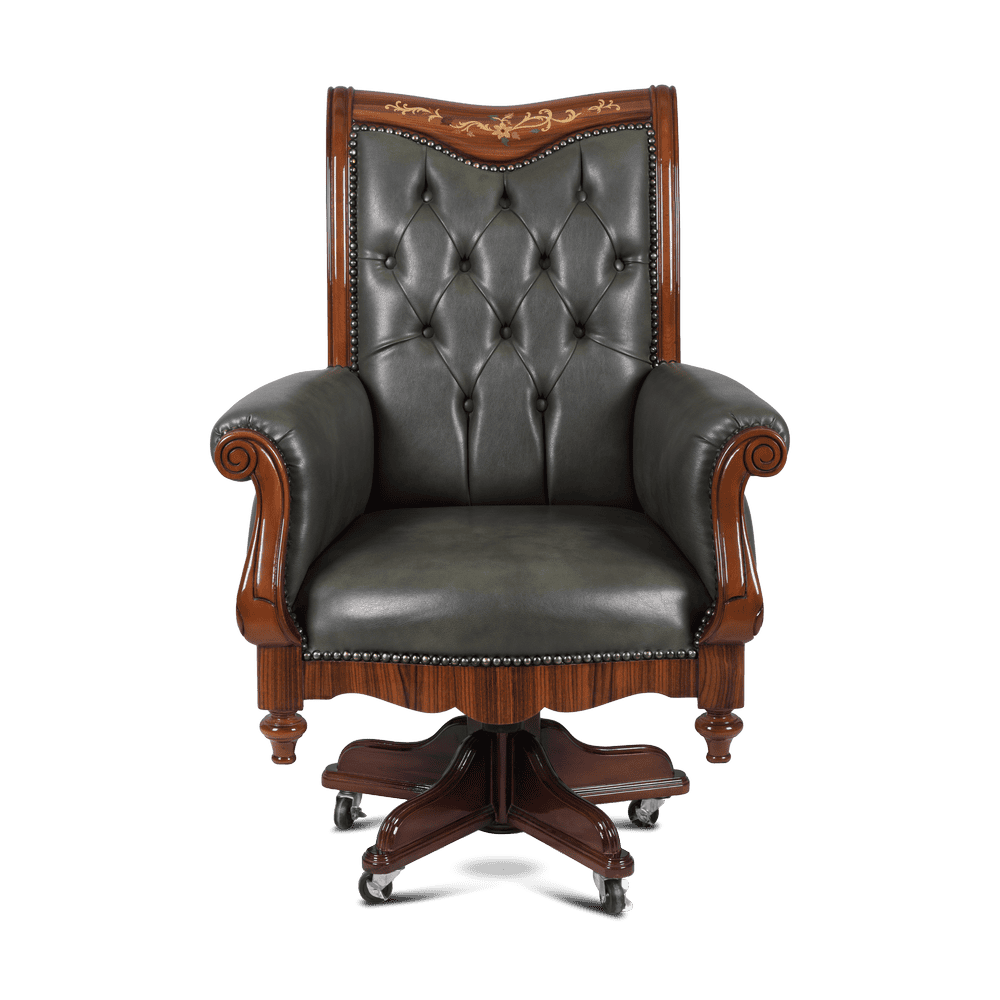
An executive office chair is primarily designed to combine comfort, visual authority, and full-back support. These chairs are commonly used in executive cabins, management offices, and meeting rooms where furniture contributes to the professional appearance of the workspace. Executive chairs usually feature a high-back design, thick seat cushioning, and premium upholstery materials such as leather or high-grade synthetic leather. The structure focuses on long sitting comfort while maintaining a refined and formal aesthetic.
Ergonomic chairs, on the other hand, are designed with a stronger emphasis on health-focused adjustability. These chairs are commonly used in workstations where individuals spend extended hours performing computer-based tasks. Instead of focusing on luxury appearance, ergonomic seating prioritizes body alignment, adjustable components, and breathable materials that help support posture during continuous work.

The key structural differences between these two seating categories can be seen in the following comparison.
| Feature | Executive Chair | Ergonomic Chair |
|---|---|---|
| Design | Luxury and professional appearance | Health-focused functional design |
| Back height | High back with full upper body support | Adjustable backrest with posture-focused structure |
| Material | Leather or premium upholstery | Mesh or breathable fabric |
| Cushioning | Thick padding for comfort | Flexible support for posture alignment |
| Typical use | Executive offices and managerial desks | Workstations and long computer sessions |
Both executive chairs and ergonomic seating can provide comfortable support when selected correctly. The choice usually depends on whether the priority is executive style and full-back cushioning or advanced ergonomic adjustability designed for intensive desk work.
For readers who want a deeper understanding of posture-support seating and adjustable office chairs, you can explore our detailed guide on Ergonomic Office Chairs available at http://nmfurnisher.com/ where different ergonomic designs and workplace applications are explained in greater detail.
Executive Office Chair Price in Pakistan
The price of an executive office chair in Pakistan varies depending on construction quality, materials, adjustability features, and brand positioning. In most furniture markets and online stores, executive chairs are available across several price segments to accommodate different office budgets. Entry-level models designed for basic office use typically start from a lower price range, while premium boss chairs designed for executive cabins and professional workspaces can reach significantly higher price points due to better materials and stronger structural support.
In general, the price range for an executive office chair in Pakistan can start from approximately PKR 15,000 for basic models and extend beyond PKR 80,000 or more for high-end designs. Chairs positioned in the mid-range usually offer a balance between comfort, durability, and professional appearance, making them suitable for managerial offices, meeting rooms, and home office setups.
Several factors influence the final cost of executive chairs, and understanding these factors helps buyers select the right chair based on both comfort needs and long-term durability.
One of the most important factors is material quality. Executive chairs made with genuine leather or high-density cushioning tend to be more expensive than chairs made with synthetic upholstery or lightweight fabric. Leather finishes often provide a more formal appearance and long-term durability, while mesh designs focus on airflow and comfort during extended sitting sessions.
The brand and manufacturer reputation also affects pricing. Established furniture brands often use stronger internal frames, higher quality cushioning, and more reliable adjustment mechanisms. As a result, their office chair boss models may cost more but often provide better long-term performance.
Another important factor is the level of adjustability available in the chair. Premium executive chairs usually include adjustable seat height, tilt tension control, reclining mechanisms, and flexible armrests. These adjustments allow users to customize the seating position according to their body posture and desk height, improving overall comfort during long workdays.
Durability and construction quality also influence pricing. Executive chairs designed with metal frames, reinforced bases, and heavy-duty caster wheels are built to withstand daily office use for many years. Chairs with stronger structural components typically fall into higher price segments because they provide better long-term value and reliability.
If you want a more detailed breakdown of different price segments, materials, and chair categories available in the local market, you can explore our complete guide on Office Chair Price in Pakistan available at http://nmfurnisher.com/ where various office seating options and their price ranges are explained in greater detail.
How to Choose the Best Executive Office Chair
Selecting the right executive office chair requires careful attention to comfort, structural support, and long-term durability. Because these chairs are typically used for extended desk work, the design and construction quality directly influence how comfortable and supportive the seating will remain throughout daily office routines. A well-chosen chair should support the body properly while maintaining stability and comfort during long working hours.
One of the most important factors to consider is back support. A quality executive chair should provide full support to the spine, especially the lower back area. The backrest should follow the natural curve of the spine so that the user can maintain a neutral sitting posture. Proper back support helps reduce pressure on the lumbar region and prevents the forward leaning posture that often develops during long computer sessions.
Another critical factor is the seat cushion quality. Executive chairs are designed for extended use, so the seat padding should be thick, supportive, and capable of maintaining its shape over time. High-density foam or multi-layer cushioning helps distribute body weight evenly across the seat surface. This prevents pressure points and improves comfort when sitting for several hours at a desk.
Adjustable height is also essential in any professional office chair boss model. The chair height should allow the user’s feet to rest flat on the floor while keeping the knees at a natural angle. When the seat height aligns properly with the desk level, it reduces strain on the legs and helps maintain balanced posture while typing, writing, or attending meetings.
The armrest design also contributes to overall comfort. Adjustable armrests allow users to position their arms at a comfortable level that supports the elbows without raising the shoulders. When the arms are supported correctly, tension in the neck and upper back is reduced. This becomes especially important for individuals who spend long periods working on computers.
Another important consideration is the material used in the chair’s construction. Leather executive chairs offer a formal appearance and durable surface suitable for executive offices and meeting rooms. Mesh-backed chairs provide better airflow and can be more comfortable in environments where ventilation is important. Fabric upholstery may offer a balance between comfort and breathability depending on the workplace conditions.
Finally, durability and frame strength should always be evaluated before purchasing an executive chair. A well-built chair typically includes a reinforced base, strong caster wheels, and a stable internal frame that can support regular daily use. Durable construction ensures the chair maintains its structure and comfort over time, reducing the need for frequent replacements.
Best Executive Office Chairs for Modern Offices
Choosing the right executive office chair depends on the working environment, comfort preferences, and the level of support required for daily office tasks. Modern offices often combine functionality with professional design, so executive seating must provide both ergonomic comfort and a refined visual presence. Different styles of executive chairs are available to suit various workspace needs, from traditional executive cabins to contemporary office setups.
High-Back Leather Executive Chair
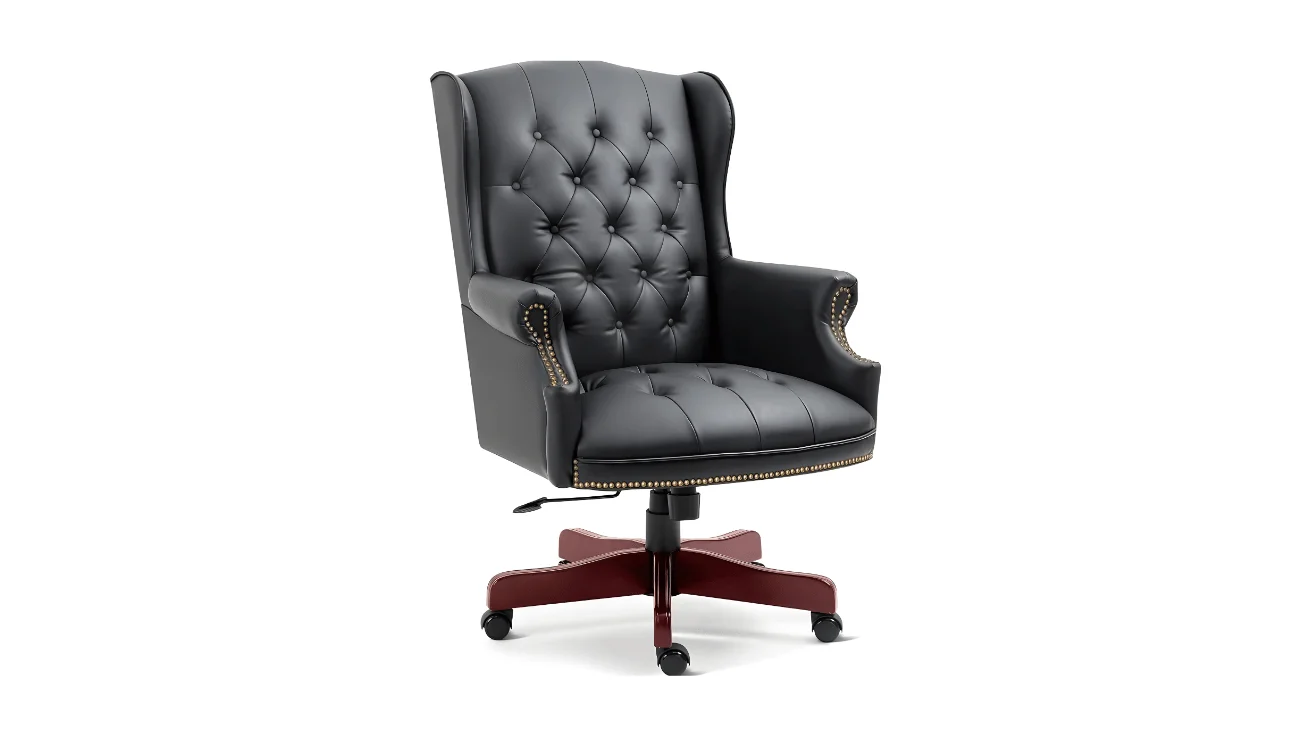
A high-back leather executive office chair is one of the most common choices in executive offices and managerial workspaces. The tall backrest supports the entire upper body, including the shoulders and neck, which helps maintain proper posture during long meetings or desk-based work. Leather upholstery provides a professional appearance that fits well in formal office interiors such as boardrooms and executive cabins. In addition to its visual appeal, leather is known for its durability and ability to maintain structure even after extended use, making it a reliable choice for professionals who spend significant time at their desks.
Mesh Executive Office Chair
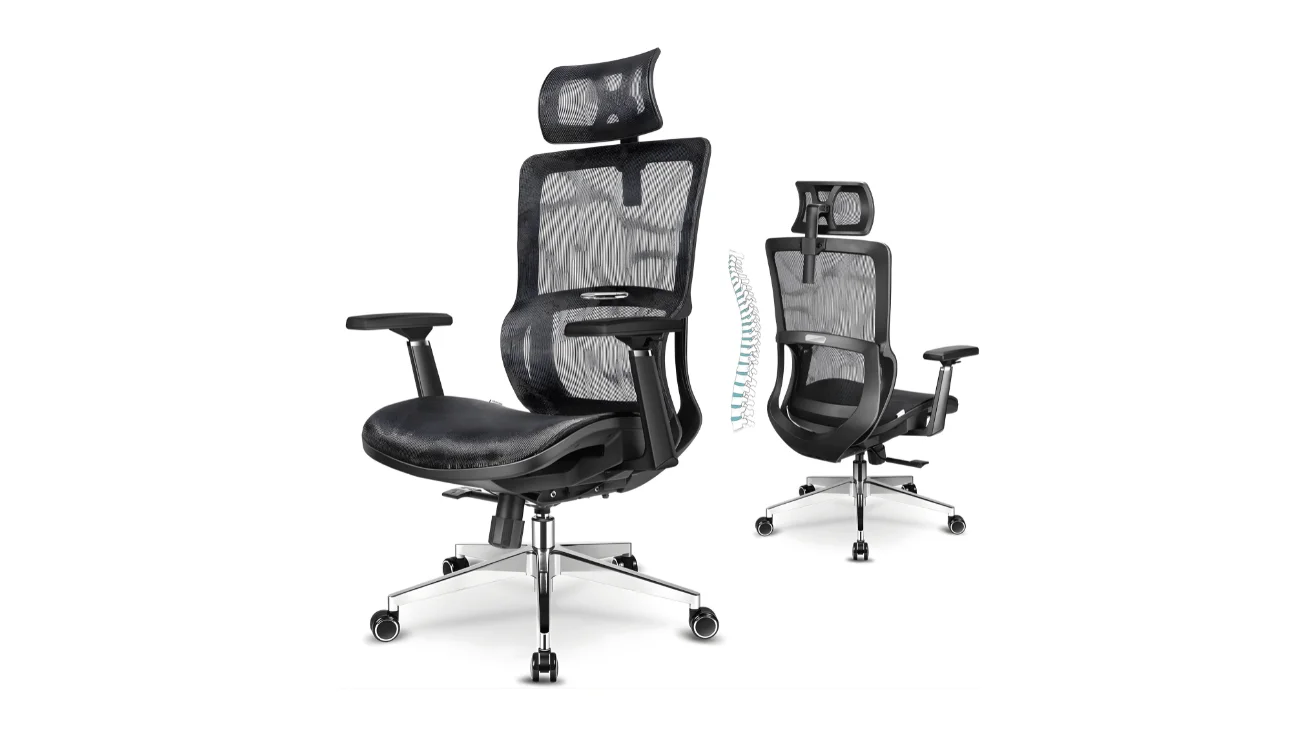
A mesh-based executive chair offers a modern alternative to traditional leather seating. The breathable mesh material allows air circulation through the backrest, which can improve comfort during long working hours, particularly in warmer office environments. Mesh designs are often combined with ergonomic back structures that follow the natural curve of the spine. Many professionals choose mesh executive chairs when they want a balance between executive styling and improved ventilation for daily desk work.
Adjustable Ergonomic Executive Chair
An adjustable ergonomic office chair boss model focuses on customization and posture support. These chairs usually include multiple adjustment mechanisms such as seat height control, tilt tension adjustment, reclining functions, and flexible armrests. The goal is to allow users to tailor the seating position according to their body posture and desk setup. This type of executive chair is commonly used in modern offices where professionals spend extended hours working on computers and require a chair that adapts to different working positions throughout the day.
Luxury Boss Office Chair
A luxury boss chair is designed for high-level executive environments where both comfort and appearance are important. These chairs typically feature premium upholstery, thicker cushioning, reinforced frames, and larger seat dimensions. The design often emphasizes authority and presence, making it suitable for executive offices, director workspaces, and leadership meeting areas. Luxury executive chairs are built to provide long-term comfort while also contributing to the overall sophistication of the office interior.
Who Should Use an Executive Office Chair?
An executive office chair is designed for individuals who spend extended periods working at a desk and require a seating solution that provides both structural support and professional presentation. These chairs are commonly found in leadership offices, management workspaces, and professional environments where comfort, posture stability, and workspace appearance are important considerations.
Managers often benefit from using executive chairs because their daily responsibilities typically involve long hours of desk-based tasks such as reviewing reports, attending meetings, and coordinating team activities. A high-back executive chair provides the necessary support to maintain a comfortable posture throughout the workday, helping managers remain focused while handling administrative and strategic responsibilities.
Directors and senior decision makers also commonly use boss chairs in executive offices. These roles frequently require extended meetings, planning sessions, and digital communication with teams or clients. A well-constructed office chair boss model supports the upper body and lower back, allowing directors to remain comfortable during long discussions or work sessions while maintaining the formal appearance expected in executive environments.
Many professionals who perform desk-centered work also benefit from an executive office chair. Consultants, designers, administrators, and remote professionals often spend several hours each day seated while managing projects or working on computers. The extended back support and comfortable seat cushioning of executive chairs help reduce strain during these long work sessions.
Individuals who work long hours at a desk, whether in corporate offices or home workspaces, can particularly benefit from executive seating. When a chair provides proper spinal support and stable cushioning, it becomes easier to maintain a healthy sitting posture throughout the day. For professionals whose daily routine involves continuous desk work, investing in a supportive executive chair can significantly improve overall workspace comfort and productivity.
Final Thoughts
Choosing the right executive office chair plays an important role in creating a comfortable and efficient workspace. Because many professionals spend a large portion of their day sitting at a desk, the quality of the chair directly affects posture support, physical comfort, and overall work performance. A well-designed executive chair provides full back support, balanced cushioning, and reliable adjustability, allowing the user to maintain a stable sitting position throughout long work sessions.
Modern executive chairs, often referred to as boss chairs or office chair boss models, are designed to combine durability with professional appearance. Features such as high-back support, supportive seat padding, strong frame construction, and adjustable components make these chairs suitable for executive offices, management workspaces, and professional environments where long desk hours are common. Selecting the right materials, checking the structural quality, and ensuring the chair supports natural posture are all important steps when choosing executive seating.
When the chair is properly matched to the user’s working style and workspace setup, it becomes more than just office furniture. A supportive executive office chair helps maintain posture stability, reduces unnecessary strain on the body, and contributes to a more productive work environment.