

 14Mar
14Mar
Furniture in Pakistan has experienced steady growth over the past decade as urban development, changing household structures, and increased awareness of interior planning have reshaped buying behavior within the broader furniture industry in Pakistan. Consumers today are no longer limited to a few local options; instead, they are faced with a broad spectrum of choices ranging from cheap furniture in Pakistan that emphasizes low upfront pricing to premium furniture designed for durability, comfort, and long-term performance. This wide availability has made furniture buying easier, but it has also made decision-making more complex.
Many buyers gravitate toward cheaper furniture because it appears financially accessible, readily available, and suitable for immediate or short-term needs. Rising living costs, limited budgets, and the pressure to furnish homes quickly often lead people to prioritize price over construction quality or material standards. In these situations, affordability feels like a practical solution, even when long-term implications are not fully considered.
However, price does not equal value. Furniture is not a disposable purchase; it directly affects daily comfort, usability, safety, and the overall functionality of a living space. Furniture that appears economical at first can become expensive over time due to frequent repairs, reduced lifespan, and repeated replacement. In contrast, premium furniture places emphasis on material selection, construction integrity, and design longevity, offering value that extends well beyond the initial price.
This guide presents a clear, unbiased comparison between premium and cheap furniture in Pakistan. It explains how the two differ in real-world use, why those differences matter for buyers, and how informed decisions can be made based on long-term practicality rather than short-term assumptions.
What Is Considered Cheap Furniture in Pakistan?
In the local market, cheap furniture in Pakistan generally refers to furniture designed to meet low price expectations rather than long-term performance or durability standards. These products are commonly manufactured using engineered wood materials such as MDF and particle board, which significantly reduce production costs but also limit structural strength. While these materials can achieve a clean, modern appearance, they lack the structural resilience required for prolonged daily use. They are especially vulnerable to moisture exposure, weight pressure, and temperature fluctuations, all of which are common environmental factors in many regions of Pakistan.
Most cheap furniture is produced through high-volume mass production systems where speed, uniformity, and cost efficiency take priority over build quality. Designs are standardized, assembly is largely machine-based, and finishing processes are kept minimal to control expenses. This manufacturing approach allows suppliers to offer furniture at lower prices and maintain consistent availability across physical showrooms and online marketplaces, particularly in major urban centers.
Another defining characteristic of cheap furniture is its short functional lifespan. Structural components such as joints, hinges, runners, and support frames tend to weaken with regular use. Over time, this leads to instability, surface damage, and reduced functionality. Many items begin to show performance issues within a few years, making early repairs or full replacement common. Although the lower upfront cost remains the primary attraction, the overall long-term value is often limited when durability, maintenance, and replacement frequency are taken into account.
Why Cheap Furniture Looks Attractive at First
Cheap furniture often appeals to buyers because it closely matches immediate financial realities. Budget pressure is a major factor, particularly for first-time homeowners, young families, or individuals dealing with rising living expenses. Lower-priced furniture reduces the initial financial commitment and allows buyers to furnish essential spaces without delaying occupancy or exceeding short-term budgets. In these situations, affordability feels practical and necessary.
Another strong factor is instant availability. Cheap furniture is typically produced and stocked in large quantities, making it easy to purchase and install without long waiting periods. Ready-made designs eliminate the need for customization or extended production timelines, which suits buyers who need quick solutions rather than tailored pieces. This convenience plays an important role in fast-moving housing decisions.
Short-term usage requirements also influence buying behavior. Furniture purchased for temporary living arrangements, transitional phases, or limited-duration projects is often viewed as a functional expense rather than a long-term investment. For rental homes and students, affordability and basic usability generally take priority over durability, material quality, or design refinement. In these contexts, cheap furniture in Pakistan appears to meet user expectations effectively, even when long-term performance and longevity are compromised.
Hidden Costs of Cheap Furniture
While cheap furniture may appear economical at the point of purchase, its true cost often becomes clear only after regular use begins. One of the most common issues is the need for frequent repairs. Components such as hinges, drawer channels, screws, and internal supports used in low-cost furniture are typically lightweight and less durable. With daily use, these parts loosen, bend, or fail, leading to repeated maintenance that gradually increases overall ownership cost.
Another significant concern is weak joint construction. Cheap furniture commonly relies on basic mechanical fittings, staples, or adhesives instead of reinforced joinery techniques. Over time, this compromises structural stability. Beds may start to creak, wardrobes lose alignment, and sofas develop uneven support. These problems affect not only comfort but also safety, especially in furniture that bears regular weight or movement.
The visual decline of cheap furniture also happens much faster. Finishes fade, peel, or scratch easily, particularly in conditions involving humidity, temperature variation, or direct sunlight. Low-grade laminates and surface coatings lose their appearance quickly, making furniture look worn long before its expected lifespan. Ultimately, the replacement cost becomes the largest hidden expense. When furniture needs to be replaced every few years, the cumulative spending often exceeds the price of a single, well-constructed premium piece, reducing the real value of the initial savings.
What Defines Premium Furniture in Pakistan?
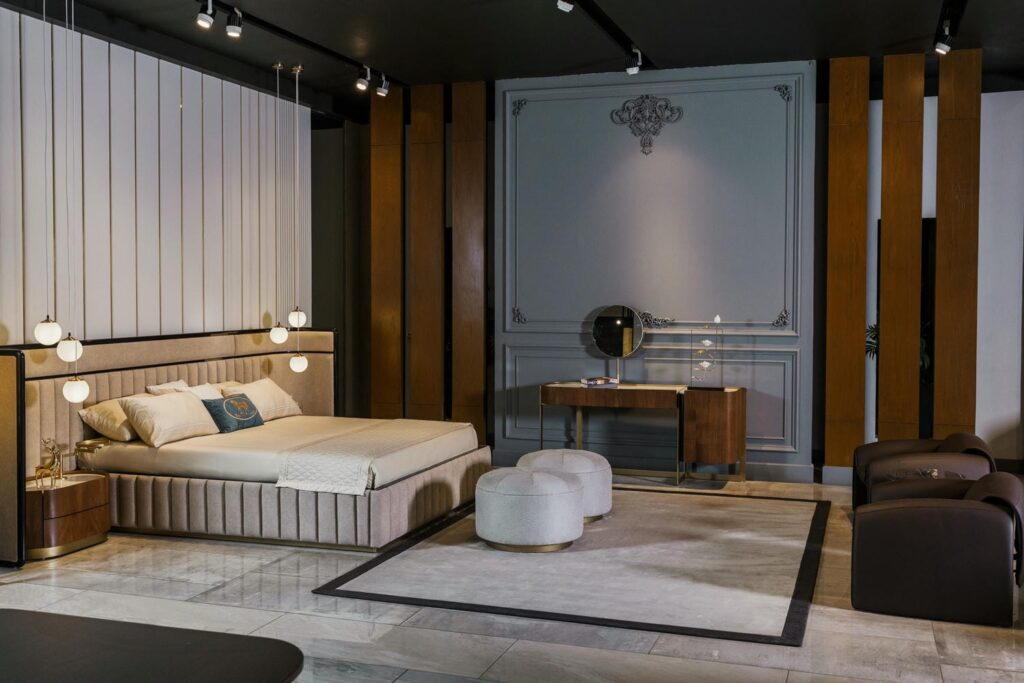
Premium furniture in Pakistan is defined by its emphasis on quality, performance, and long-term value rather than short-term affordability. At the foundation of premium furniture is the use of solid wood, which provides superior structural strength, stability, and resistance to daily wear. Solid wood performs more reliably in local climate conditions, including heat and humidity, and maintains its integrity over time. Unlike engineered boards, it supports proper joinery and allows furniture to age without losing structural reliability.
Another defining factor is craftsmanship. Premium furniture is produced using skilled construction techniques that prioritize precise joints, balanced proportions, and structural consistency. Each stage of production, from frame assembly to finishing, is handled with attention to detail. This level of workmanship ensures furniture remains stable under regular use while maintaining comfort, safety, and visual balance.
Design research also plays an essential role in premium furniture development. Established brands invest time in understanding ergonomics, spatial planning, and evolving interior needs. This results in furniture that fits naturally within living spaces and supports everyday use without compromise. Combined with long-term durability, premium furniture offers extended usability with minimal maintenance. The focus on timeless aesthetics ensures designs remain relevant over many years, positioning premium and luxury furniture in Pakistan as enduring investments rather than temporary solutions.
Premium vs Cheap Furniture – Price vs Value Comparison
Understanding the real difference between cheap and premium furniture requires moving beyond the purchase price and evaluating value over time. Cheap furniture is typically engineered to keep initial costs as low as possible, often through compromises in materials, construction quality, and finishing standards. While this approach reduces the upfront expense, it also limits durability and long-term performance. Premium furniture, in contrast, is designed to function reliably over many years, making cost efficiency a long-term consideration rather than a short-term calculation.
| Feature | Cheap Furniture | Premium Furniture |
|---|---|---|
| Material | MDF / particle board | Solid wood |
| Lifespan | 2–4 years | 15–25 years |
| Finish | Fades quickly | Long-lasting |
| Repairs | Frequent | Minimal |
| Value | Short-term | Long-term |
This comparison clearly shows why price and value are not the same. Cheap furniture may appear affordable at the time of purchase, but ongoing repairs, declining appearance, and early replacement gradually reduce its overall worth. Each repair or replacement adds hidden cost and inconvenience that is rarely considered upfront. Premium furniture in Pakistan, on the other hand, emphasizes durability, structural reliability, and consistent visual quality. By spreading the cost across decades of use, premium furniture often delivers greater economic efficiency and dependability when evaluated from a realistic ownership perspective.
Which Furniture Is Right for You?
Choosing between cheap and premium furniture depends on how the furniture will be used, how long it is expected to last, and how central it is to daily living. There is no single correct option for every buyer. The right decision is shaped by lifestyle requirements, usage intensity, financial planning, and long-term expectations. When these factors are not clearly evaluated, buyers often overspend on short-term solutions or underinvest in furniture meant for long-term use.
Understanding your own priorities helps prevent dissatisfaction later. Furniture that performs well for one household may be unsuitable for another, even at the same price point. The key is aligning the furniture choice with real usage rather than assumptions based solely on cost.
When Cheap Furniture Makes Sense
Cheap furniture can be a practical choice for temporary living arrangements where longevity is not essential. In short-term rentals or transitional housing, furniture is often treated as a functional necessity rather than a lasting asset. In such cases, spending heavily on durability may not be justified.
Students commonly fall into this category, as mobility, affordability, and ease of replacement are higher priorities than long-term performance or design consistency. Similarly, for short-term use, where furniture is unlikely to face continuous daily wear, lower-cost options can meet basic needs without creating unnecessary financial strain. In these scenarios, limited lifespan is an acceptable trade-off for affordability.
When Premium Furniture Is the Smarter Choice
Premium furniture is better suited for family homes where furniture is used daily and expected to remain reliable for many years. Regular use places stress on joints, frames, and surfaces, making material quality and construction strength far more important.
It is also the right choice for buyers who see furniture as a long-term investment rather than a temporary expense. Reduced maintenance, consistent comfort, and extended usability contribute to lower lifetime costs. Design-focused buyers benefit as well, since premium furniture maintains proportion, finish quality, and visual balance over time. In these cases, a higher upfront cost translates into stability, reliability, and lasting value, making premium furniture the more practical decision in the long run
Why Premium Furniture Is a Better Investment Over Time
Premium furniture becomes more cost-effective when ownership is evaluated over time rather than judged by the initial purchase price. A practical way to assess this is through cost per year of use. Although premium furniture requires a higher upfront investment, its extended lifespan allows that cost to be distributed across many years. In contrast, cheaper furniture often requires multiple replacements within the same period, resulting in higher cumulative spending without delivering long-term reliability.
Beyond financial logic, emotional satisfaction and daily comfort are important factors. Furniture that feels solid, stable, and well-finished improves everyday living. Consistent comfort, smooth functionality, and the absence of recurring repairs reduce frustration and create confidence in the living environment. Over time, this reliability becomes more valuable than short-term savings.
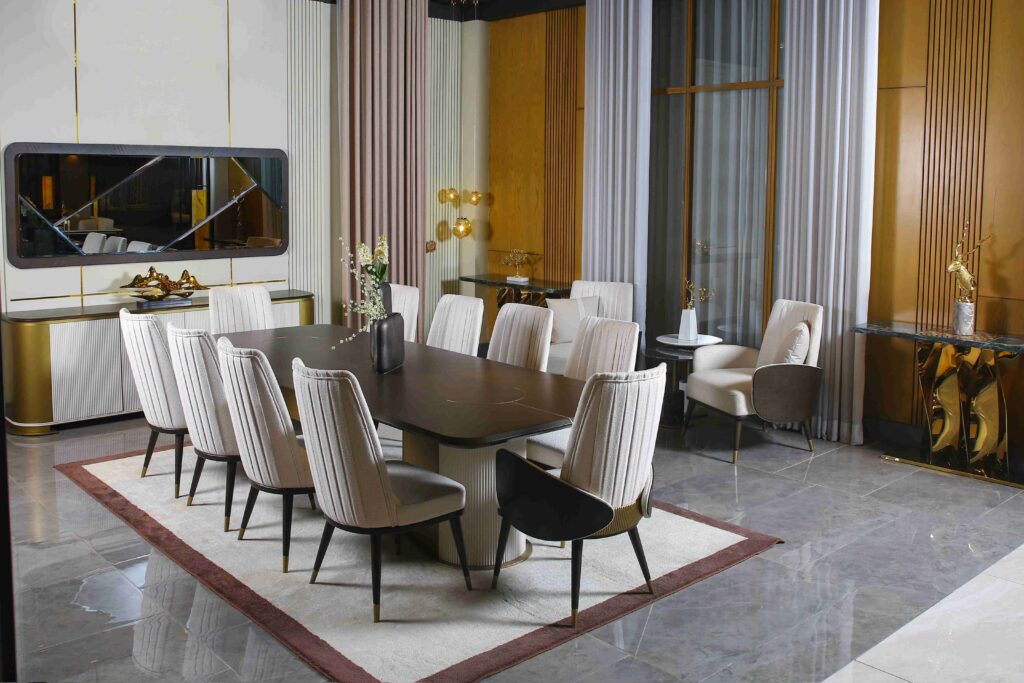
Premium furniture also has a measurable impact on home value and interior quality. Well-constructed pieces enhance spatial balance, functionality, and overall visual coherence. Homes furnished with durable, well-designed furniture tend to maintain a more refined appearance, which supports both long-term use and resale or rental appeal. When viewed realistically, premium furniture in Pakistan represents an investment in durability, comfort, and sustained quality rather than a one-time expense.
FAQs
Is cheap furniture in Pakistan worth buying?
Cheap furniture in Pakistan can be suitable for short-term or temporary use where durability and long service life are not critical factors. It works reasonably well for student housing, rental properties, or transitional living situations where furniture is expected to be replaced within a limited time. For long-term daily use, however, frequent repairs, declining stability, and early replacement usually reduce its overall value and reliability.
What is the difference between cheap and premium furniture?
The primary difference lies in materials, construction quality, and expected lifespan. Cheap furniture is commonly made from engineered boards and assembled using basic fittings to reduce cost. Premium furniture relies on solid wood, reinforced joinery, and higher finishing standards, which results in stronger structure, better comfort, and longer usability.
Does premium furniture last longer?
Yes, premium furniture is designed to last significantly longer because of superior materials and construction methods. When properly maintained, it can remain structurally sound and visually stable for decades, making it suitable for households where furniture is used daily and expected to perform consistently over time.
Why is solid wood furniture expensive?
Solid wood furniture is more expensive due to the quality of raw materials, the need for skilled craftsmanship, and longer production processes. Solid wood offers better load-bearing strength, improved repairability, and greater resistance to wear and environmental stress compared to engineered alternatives, which increases both cost and long-term value.
Which furniture is best for long-term use in Pakistan?
For long-term use in Pakistan, premium furniture made from solid wood with proper construction and finishing is the most dependable option. It performs better under daily use, adapts more effectively to local climate conditions, and maintains its structural and visual quality over time, providing consistent value for long-term living.
4 comments
Pingback:
Best Wooden Furniture in Pakistan – Complete Buyer’s Guide (2026) - N.M FurnishersPingback:
Best Ergonomic Office Chair Benefits + Buying Guide (2026)Pingback:
Office Chair Price in Pakistan: 2026 Budget to Premium GuidePingback:
Best Computer Chair for Office Work (2026 Buying Guide)