

Living Room Furniture in Pakistan
Introduction
The living room serves as the heart of any Pakistani home. It is the space where families gather after a long day, where guests are entertained with traditional hospitality, and where the aesthetic tone of the entire house is established.
Choosing the right Living Room Furniture in Pakistan is not merely about selecting items that look good. It requires a deep understanding of spatial dynamics, material durability in local climates, and the balance between functionality and cultural expectations.
In Pakistan, the distinction between a formal drawing room and a casual TV lounge often dictates the type of furniture required. The drawing room typically demands grandeur and formality, while the living lounge requires comfort and resilience against daily wear and tear.
Navigating the local furniture market can feel overwhelming due to the wide variety of woods, fabrics, and craftsmanship qualities available. From the bustling furniture markets of Gujrat and Chiniot to high-end showrooms in Lahore and Karachi, the options are extensive.
A buyer must learn to discern between authentic solid wood and short-lived engineered alternatives. Understanding this difference helps prevent costly purchasing mistakes.
This guide explores designs, materials, pricing structures, and expert insights to ensure your investment lasts for generations.
Whether you are furnishing a compact apartment in Islamabad or a sprawling villa in Multan, understanding the fundamentals of furniture construction and design is essential for making confident decisions.
Types of Living Room Furniture in Pakistan
Sofa Sets
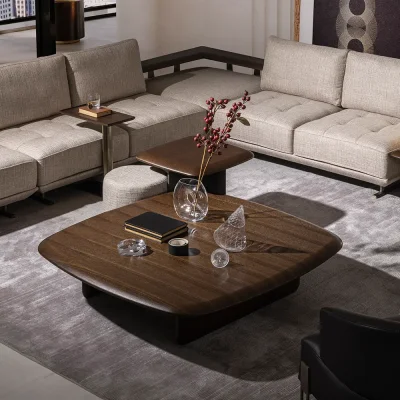
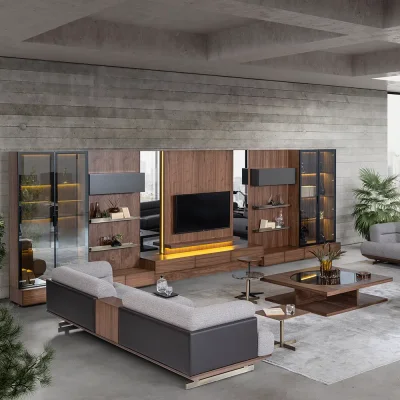
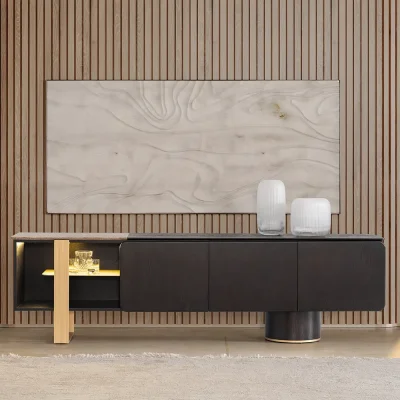
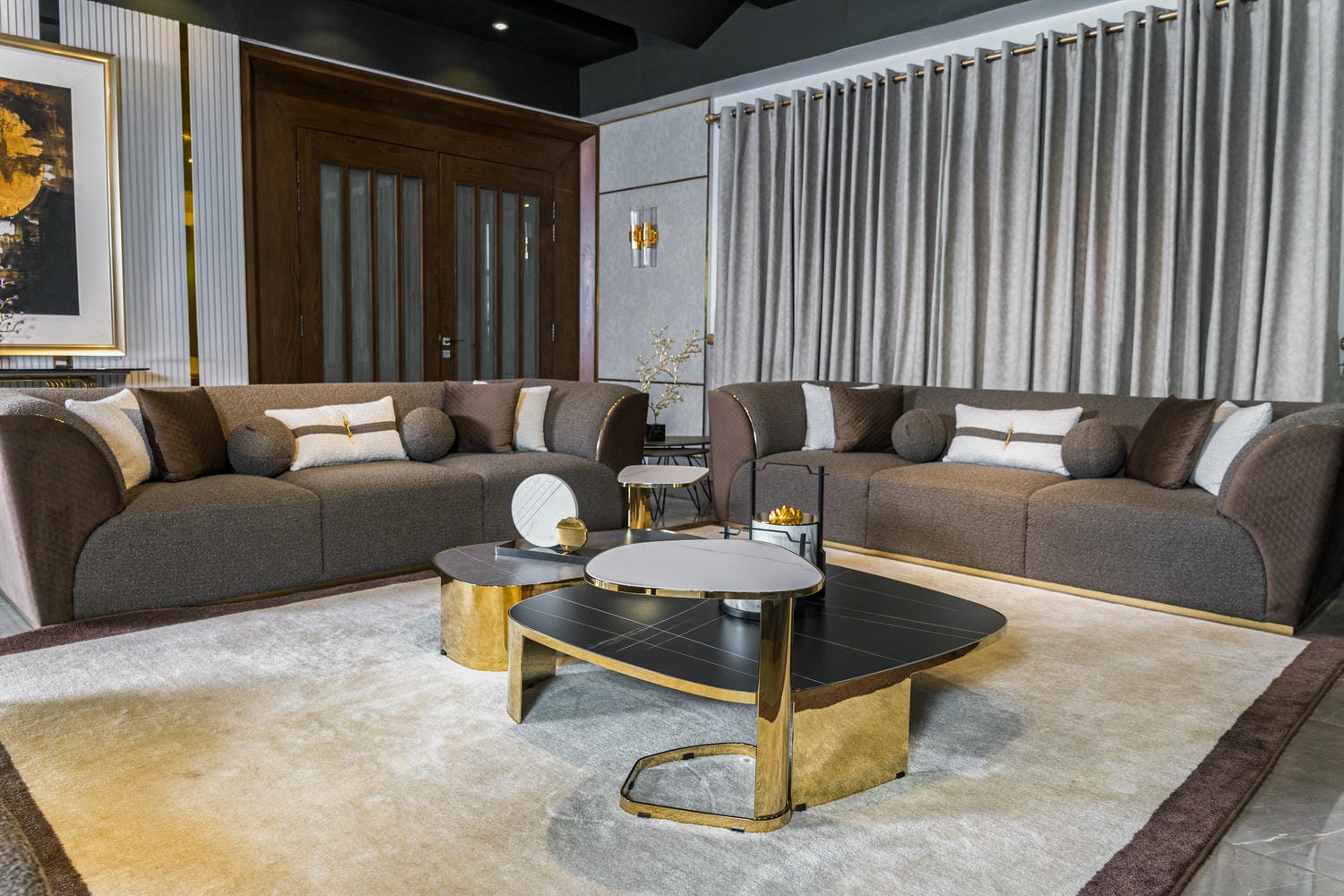
Sofa sets form the foundation of any living area in Pakistan and play a central role in defining both comfort and visual balance. The standard configuration found in most homes is the five seater sofa set, typically arranged as a three seater couch accompanied by two single armchairs.
In larger drawing rooms, seven seater configurations are becoming increasingly popular to accommodate extended family gatherings and frequent guests. The choice between these layouts should always be guided by room size and circulation space.
When selecting a sofa set, the internal structure is just as critical as the external fabric. High quality frames are usually crafted from Kikar or Partal wood for strength and durability, while the visible legs and arms are often fashioned from Sheesham wood for aesthetic appeal and longevity.
The seat cushioning is another vital component that directly affects comfort and lifespan. Most reputable manufacturers use high density foam, such as premium MoltyFoam or Diamond Foam, to ensure the seat does not sag after a few months of use.
The depth of the seat also matters significantly. A formal drawing room sofa often has a slightly shallower seat to encourage upright posture, while a lounge sofa typically provides deeper seating for relaxation.
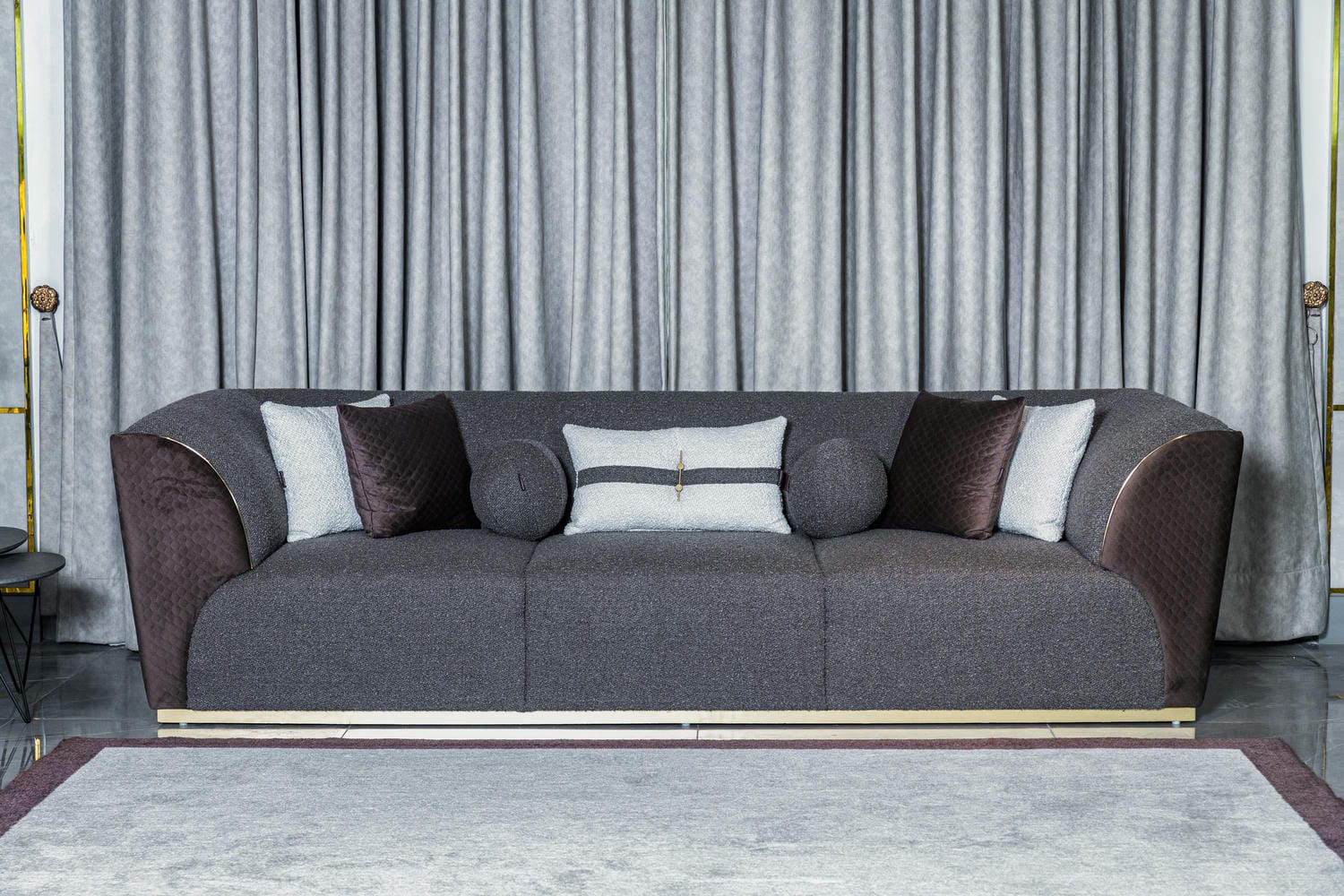
A well proportioned sofa set upholstered in quality fabric with balanced cushioning placed in a Pakistani living room setting reflects both comfort and craftsmanship.
Sectional Sofas
Sectional sofas, commonly known as L shaped sofas, have gained immense popularity in modern Pakistani homes, particularly in TV lounges and family sitting areas.
These pieces are excellent for maximizing seating in corner spaces that would otherwise remain unused. A sectional sofa naturally creates a sense of intimacy, making it ideal for families who enjoy spending time together watching television or relaxing.
One of the biggest advantages of sectional sofas is their high level of customization. You can choose the side of the armrest, the overall length, and the size of the chaise to match your specific room dimensions and layout.
In open plan homes, a large sectional can also function as a subtle room divider, separating the living area from the dining space without the need for permanent walls or partitions.
Before purchasing a sectional sofa, it is crucial to measure your doorway widths, staircases, and hallways. These sofas are often bulky, and moving them into upper story apartments in cities like Karachi or Lahore can present logistical challenges if measurements are ignored.
A fabric upholstered L shaped sectional sofa with deep seating placed in a contemporary Pakistani TV lounge setting offers both comfort and efficient space utilization.
Coffee Tables
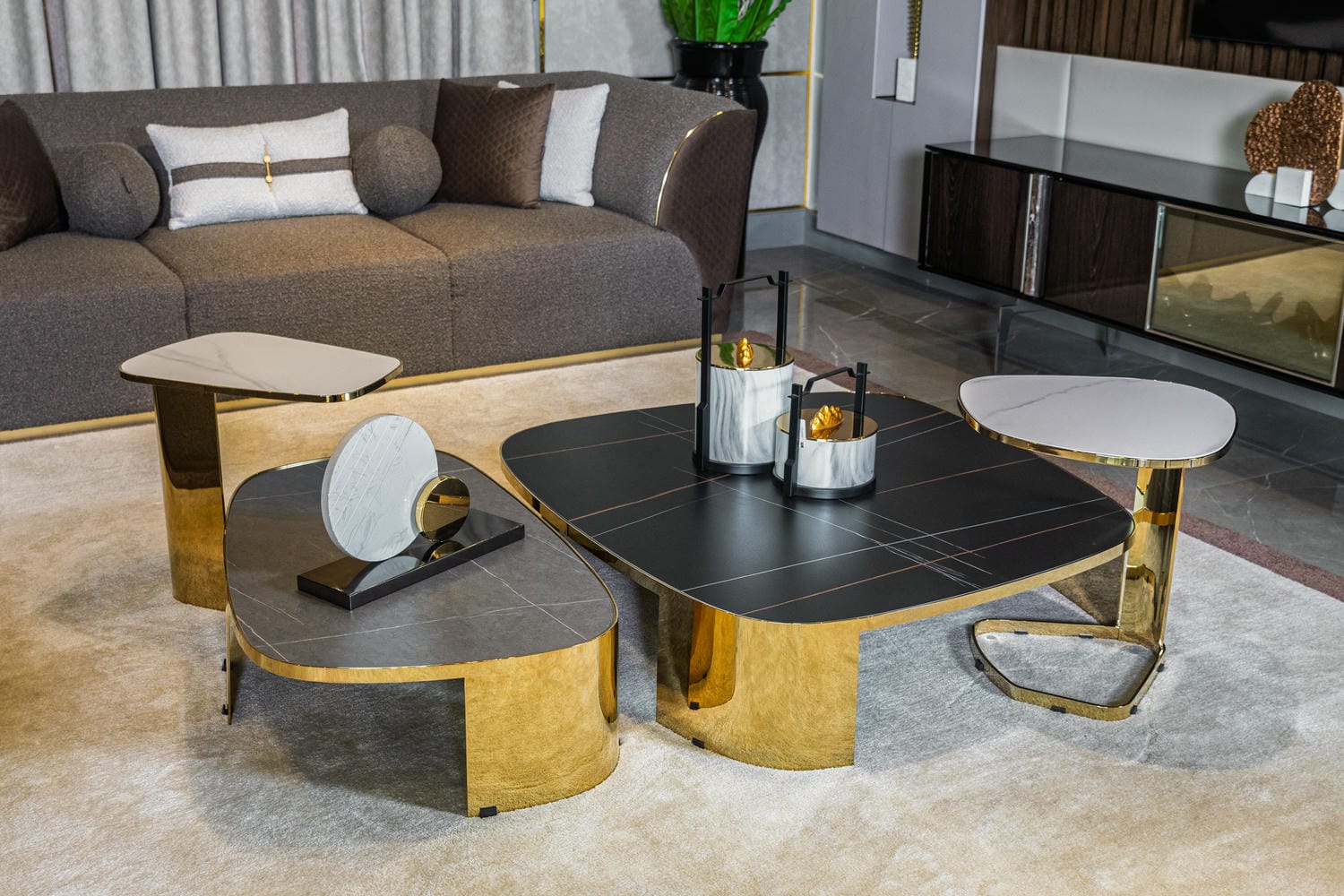
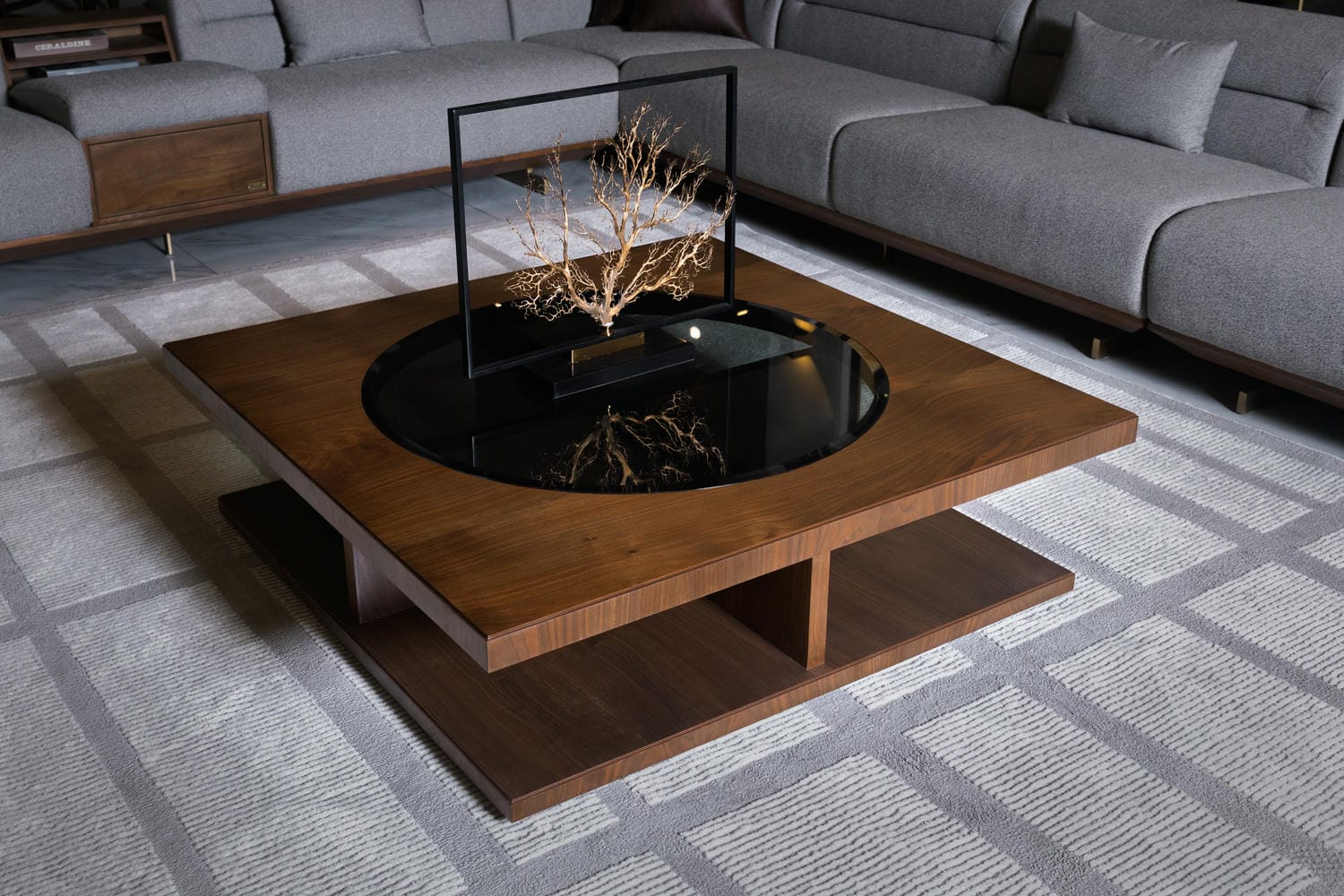
A coffee table acts as the anchor of the seating arrangement and plays both a functional and visual role in Pakistani living rooms.
In the local context, a coffee table serves a practical purpose beyond aesthetics. It is the surface where tea, cold drinks, snacks, and serving trays are placed when entertaining guests, which makes stability and adequate surface area essential considerations.
Wooden coffee tables with glass tops are a popular choice because the glass protects the wood from heat rings caused by tea cups and from moisture created by condensation.
The height of the coffee table should generally be equal to or slightly lower than the seat height of the sofa. This proportion ensures comfortable reach and maintains visual balance within the seating area.
Many modern designs incorporate storage shelves or drawers beneath the tabletop. These features provide a convenient place to store remote controls, magazines, and serving mats, helping keep the living room organized.
A rectangular wooden coffee table with a clear glass top placed between upholstered sofas in a Pakistani living room setting reflects both practicality and timeless design.
Center Tables
Although the terms are often used interchangeably, a center table in Pakistani interior design usually refers to a larger and more dominant table placed at the center of a formal drawing room arrangement.
These tables are typically statement pieces that define the overall character of the space. They may feature intricate wood carving, heavy marble tops, or decorative brass inlays, depending on the desired style.
Unlike a casual coffee table, a center table in a formal setting is not always intended for serving refreshments. It is more commonly used to display decorative accessories such as crystal vases, floral arrangements, or ornamental bowls.
The choice of center table often dictates the design direction of the entire room. A heavy carved wooden center table naturally anchors a traditional interior, while a sleek metal and glass center table establishes a contemporary atmosphere.
A solid wood center table with detailed carving and a polished finish placed in the middle of a formal Pakistani drawing room creates a strong visual focal point.
TV Units
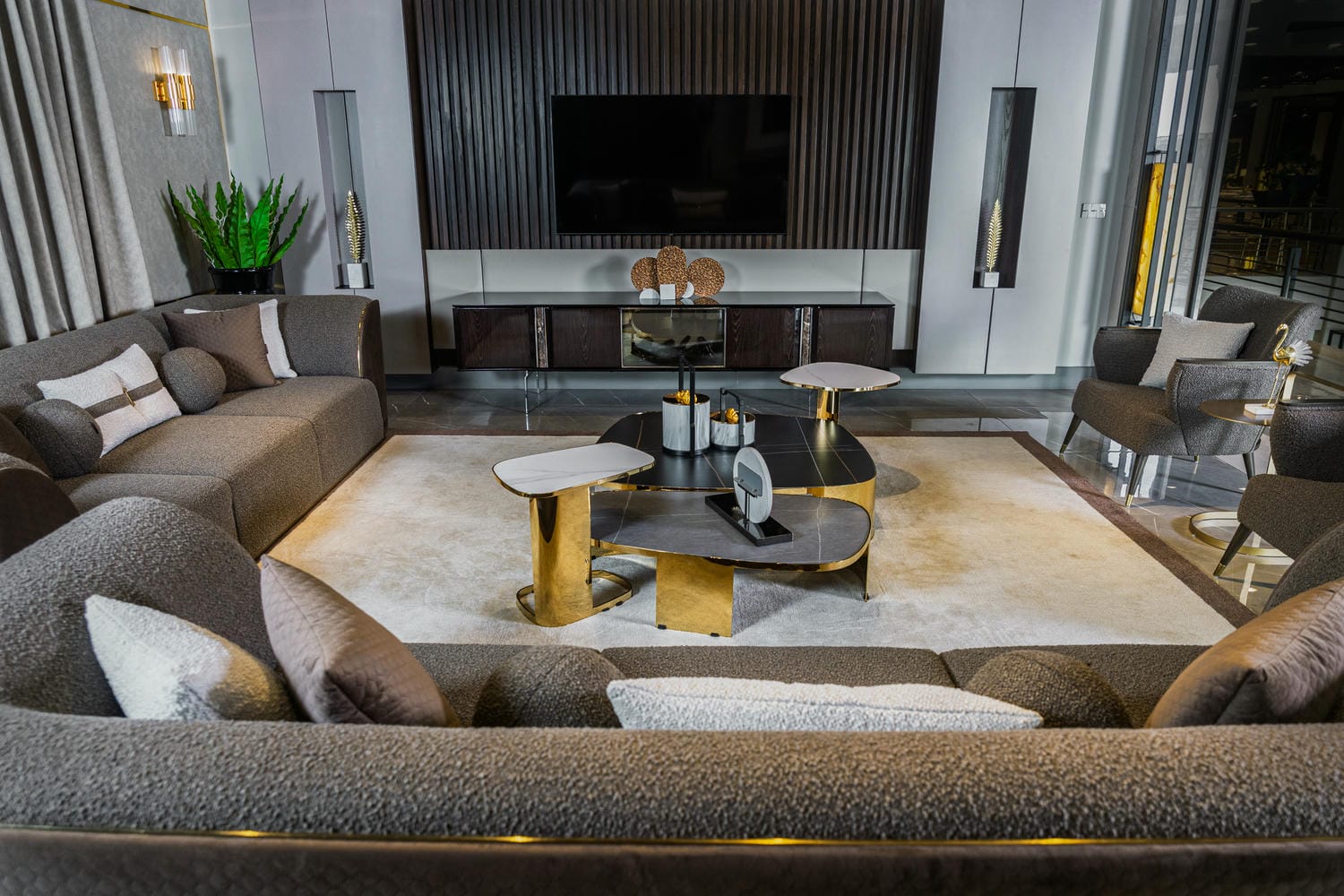
As the focal point of the family lounge, the TV unit has evolved from a simple trolley into sophisticated media wall systems.
In contemporary Pakistani interior design, the media wall has become a significant trend. This design typically combines wall paneling, floating shelves, and built-in cabinets around the television. It serves the dual purpose of housing electronics and concealing unsightly wires.
For rental homes or spaces where permanent installations are not possible, standalone TV consoles remain the preferred choice. These low height cabinets provide practical storage for gaming consoles, internet routers, and set top boxes.
The height of the TV unit is critical for comfortable viewing. Ideally, the center of the television screen should align with eye level when seated on the sofa to prevent neck strain.
Many homeowners overlook cable management features, but ensuring the unit includes pass through holes and concealed channels is essential for maintaining a clean and organized appearance.
A low profile wooden TV console with closed storage cabinets and open shelves placed beneath a wall mounted television in a Pakistani living room setting offers both function and visual balance.
Side Tables
Side tables are often considered the unsung heroes of the living room because of their practical importance and versatility.
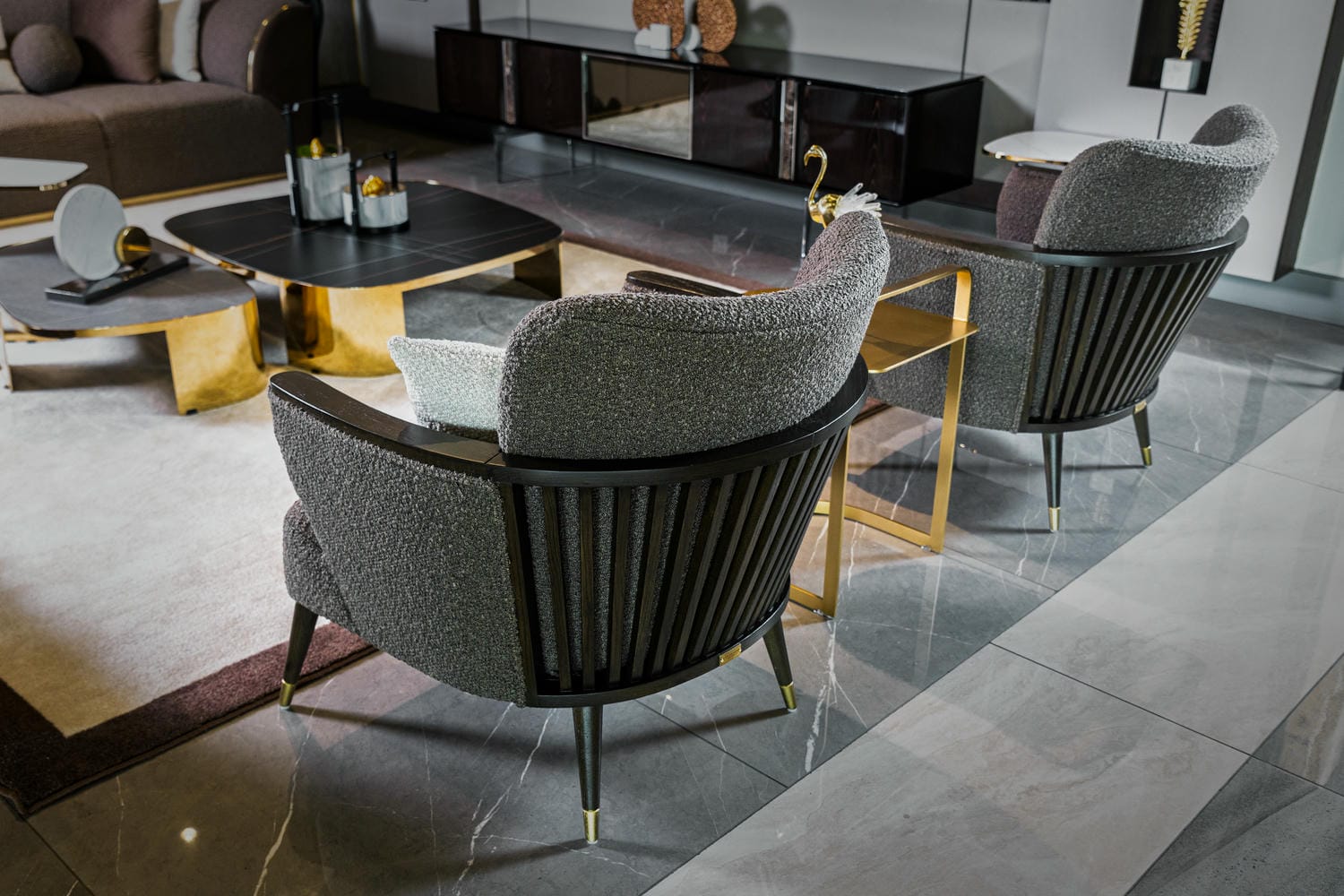
Placed at the ends of sofas or between armchairs, they provide essential surface space for table lamps, decorative accessories, and for guests to place their drinks comfortably.
In a typical Pakistani drawing room layout, symmetry is frequently prioritized, which is why side tables are commonly purchased in pairs. They do not need to match the coffee table exactly, but they should share a similar design language or material finish to maintain visual harmony.
Nesting tables are an excellent variation of side tables. These sets consist of multiple small tables that can be stacked together to save space and pulled out individually when more surfaces are needed.
A pair of wooden side tables with matching finishes placed beside upholstered armchairs in a Pakistani living room creates both balance and functionality.
Console Tables
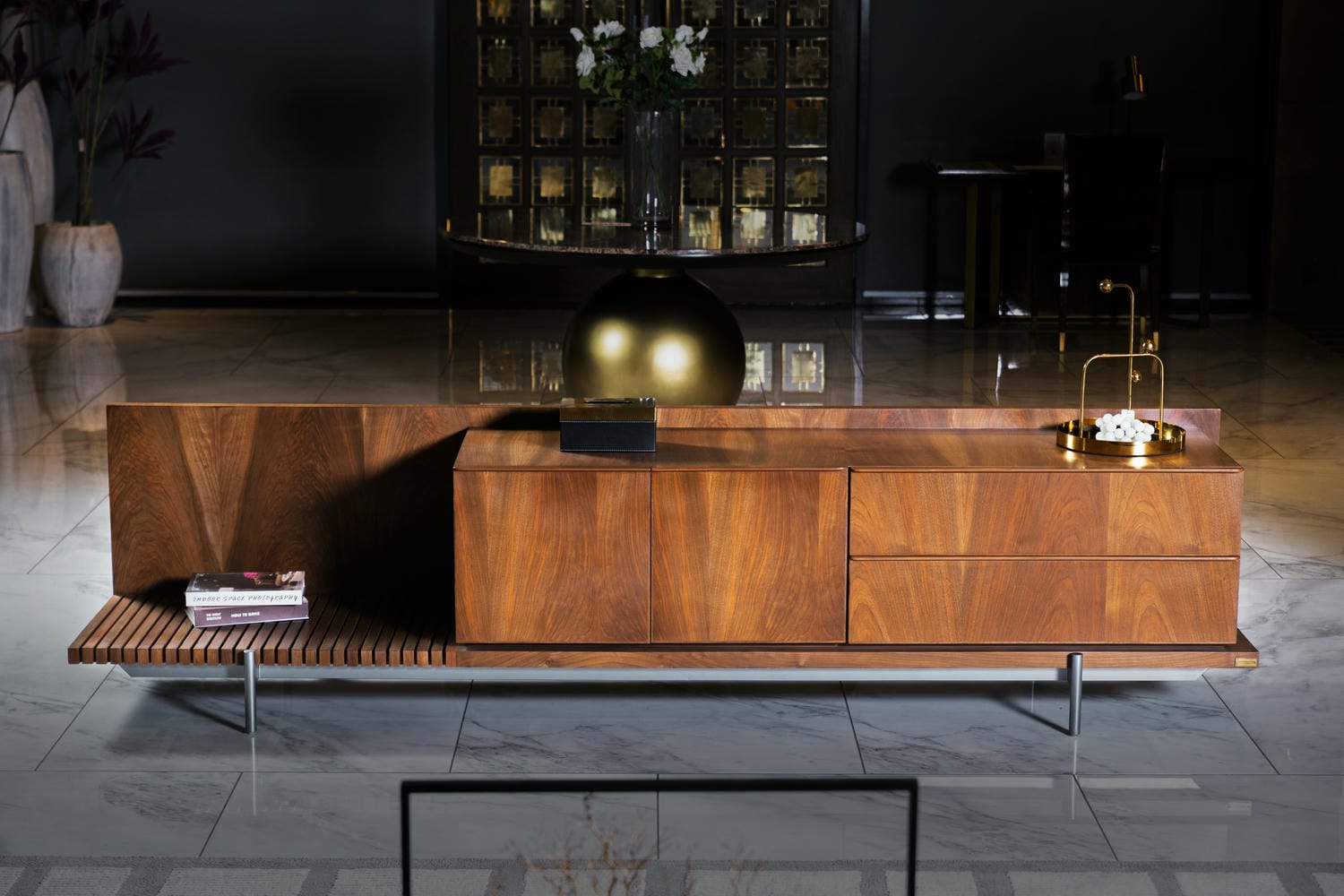
Console tables are typically tall and narrow tables placed against a wall, commonly positioned in entryways or behind a floating sofa.
In Pakistani homes, a console table is frequently treated as a decorative focal point. It is often styled with a large mirror above it, which helps reflect light and makes the room appear more spacious.
The surface of a console table is usually adorned with family photographs, candle stands, or decorative bowls, allowing homeowners to personalize the space.
From a functional perspective, a console table that includes drawers or lower shelves near the entrance provides a dedicated spot for keys, mail, and small essentials. This helps keep the main living area organized and clutter free.
A slim wooden console table with drawers placed against a wall beneath a decorative mirror in a Pakistani living room adds both style and practicality.
Living Room Furniture Designs in Pakistan
Modern Living Room Furniture
Modern living room furniture design in Pakistan is defined by clean lines, minimalism, and functional simplicity.
This style deliberately avoids the heavy ornamentation commonly found in traditional furniture. Instead, it emphasizes straightforward forms and uncluttered silhouettes that create a calm and balanced environment.
Modern interiors typically use neutral color palettes such as greys, beiges, and whites, often complemented by accent cushions or artwork in stronger tones.
Materials like glass, steel, and matte finished wood are prominent in modern furniture pieces. These materials contribute to a sleek and refined appearance while remaining practical for everyday use.
A modern sofa often features track arms and exposed legs, which give it a light and airy presence rather than a bulky look.
This design philosophy is particularly well suited for urban apartments and smaller homes, where space is limited. The reduced visual clutter of modern furniture helps rooms feel larger, brighter, and more open.
A low profile fabric sofa with slim arms and wooden legs placed in a contemporary Pakistani living room reflects the essence of modern design.
Contemporary Living Room Furniture
Contemporary living room furniture refers to design styles that reflect current trends rather than a fixed historical period.
Unlike modern design, which is rooted in a specific era, contemporary design is fluid and constantly evolving. It adapts to changing tastes, lifestyles, and global influences.
In Pakistan, contemporary living rooms often feature curved sofa silhouettes, soft velvet upholstery, and rich jewel tones such as emerald green, navy blue, and sapphire.
The use of metallic accents in gold, brass, or rose gold is also common, adding subtle glamour without overwhelming the space.
Contemporary interiors frequently combine elements from different design eras. A sleek sofa may be paired with a vintage rug or a classic wooden coffee table, creating visual interest through contrast.
This style encourages personal expression and experimentation with textures, making it ideal for homeowners who want their living spaces to feel fashionable and refreshed.
A velvet upholstered curved sofa with metallic leg detailing placed in a stylish Pakistani living room captures the essence of contemporary design.
Traditional Living Room Furniture
Traditional living room furniture remains the most enduring design style in Pakistan, deeply rooted in cultural heritage and craftsmanship traditions.
This style draws strong influence from Mughal era aesthetics and British colonial furniture design, which emphasize grandeur and detail, as seen in the historical evolution of South Asian interior design traditions (https://en.wikipedia.org/wiki/Interior_design).
Traditional furniture commonly features dark, rich woods such as Sheesham and Walnut, valued for their strength, grain patterns, and timeless appearance.
The defining characteristic of this style is intricate hand carving, often showcasing floral patterns, geometric motifs, and ornamental detailing.
Traditional sofas typically have high rolled arms, tufted backs, and solid wooden frames, giving them a stately presence.
Upholstery fabrics are usually rich and textured, including damask, silk, jacquard, and heavy tapestry materials that enhance the luxurious feel.
This style conveys a strong sense of permanence, elegance, and history, making it the preferred choice for formal drawing rooms in larger homes.
A carved wooden sofa with tufted upholstery placed in a formal Pakistani drawing room reflects the timeless beauty of traditional design.
Luxury Living Room Furniture
Luxury living room furniture in Pakistan is defined by superior craftsmanship, exclusive materials, and refined detailing.
This segment often consists of bespoke pieces that are made to order, allowing homeowners to achieve a truly personalized living space.
Luxury furniture typically uses top tier solid woods that are carefully seasoned to prevent warping, cracking, and long term structural issues.
The finishing process usually involves high gloss polyester coatings, premium lacquers, or gold leaf detailing, creating a rich and polished appearance.
Upholstery fabrics in this category are often imported from Turkey or Italy, offering exceptional softness, durability, and color depth.
Attention to detail is paramount. Luxury pieces display flawless joinery, precisely aligned fabric patterns, and high quality hardware that enhances the overall design.
Luxury living room furniture represents an investment in both artistry and functionality, delivering long lasting beauty along with everyday comfort.
A custom made solid wood sofa with premium upholstery and polished detailing placed in an elegant Pakistani living room reflects true luxury craftsmanship.
Best Material for Living Room Furniture
Solid Wood
Solid wood is widely considered the best material for furniture in Pakistan because of its durability, strength, and long term resale value.
Sheesham wood, also known as Indian Rosewood, is the most popular choice. It is a hardwood recognized for its rich grain pattern and natural resistance to decay.
Sheesham handles intricate carving exceptionally well and can be polished to a deep, lustrous finish that enhances its natural beauty.
Walnut wood is another premium option used mainly for luxury furniture. It is valued for its fine texture, smooth surface, and elegant color tone.
For internal framing, Kikar wood (Acacia) is commonly used because of its extreme hardness and resistance to pests, even though it is rarely chosen for visible surfaces due to its challenging grain.
Solid wood furniture can be refinished multiple times, allowing pieces to look new even after decades of use.
A solid Sheesham wood sofa frame with carved detailing placed in a Pakistani living room reflects strength and craftsmanship.
MDF and Engineered Wood
Medium Density Fiberboard (MDF) and engineered woods are cost effective alternatives to solid wood.
These materials are manufactured by compressing wood fibers with resin, creating boards with a uniform structure.
They are widely used for modern flat panel furniture such as TV units, coffee tables, and console tables.
The primary advantage of MDF is its smooth surface, which is ideal for paint finishes and decorative veneers. It also offers consistent density without knots or natural imperfections.
However, standard MDF is highly susceptible to water damage. In Pakistan’s humid climate, especially in coastal regions, MDF can swell and weaken if exposed to moisture.
For this reason, high quality lamination and proper edge banding are essential when choosing MDF based furniture.
A laminated MDF TV unit with clean edges and a smooth painted finish suits contemporary Pakistani interiors.
Metal Frames
Metal furniture has gained popularity with the rise of industrial and contemporary interior design styles.
Stainless steel and powder coated iron are the most commonly used metals for furniture frames.
Metal frames are extremely durable and termite resistant, which makes them practical in Pakistani homes.
They allow for slim and sleek profiles that are difficult to achieve with solid wood.
Metal is often used for sofa legs, coffee table bases, and console table frames.
Gold plated or brass finished metal adds a luxurious touch and pairs beautifully with marble or glass tops.
The main drawback of mild steel is rust, which is why proper powder coating or protective treatment is essential for long term durability.
A coffee table with a metal base and marble top placed in a Pakistani living room creates a bold contemporary look.
Fabric vs Leather Upholstery
Choosing between fabric and leather upholstery depends on lifestyle needs and climate conditions.
Fabric upholstery offers a wide variety of patterns, colors, and textures, making it easy to match different interior styles.
Breathable fabrics such as cotton blends, jute, and linen are well suited for warmer rooms, while velvet provides a rich and luxurious feel.
Engineered fabrics are popular because they are easier to clean and more stain resistant.
Leather upholstery represents durability and sophistication. Genuine leather ages gracefully and develops a natural patina over time.
Leather is easy to wipe clean, making it suitable for homes with children, but in hot Pakistani summers it can feel uncomfortable in non air conditioned rooms.
Artificial leather, commonly known as rexine, is more affordable but tends to peel and crack with extended use.
A fabric upholstered sofa with neutral tones placed in a Pakistani living room offers comfort and versatility.
Best Living Room Furniture for Small Homes
Furnishing a small home or apartment requires a strategic and thoughtful approach that prioritizes space efficiency and visual balance.
The key is to select furniture that appears visually light. Sofas with raised legs allow light to pass underneath, making the floor more visible and the room feel larger.
Bulky and overstuffed sofas should be avoided, as they visually overwhelm compact spaces and restrict movement.
Multi functional furniture becomes essential in small homes. Ottomans with hidden storage provide space for blankets, cushions, or toys without adding extra furniture.
A sofa bed is a practical investment, allowing the living room to transform into a guest room whenever required.
Nesting tables are more suitable than large fixed coffee tables in tight spaces. They can be spread out when guests arrive and stacked together to free up floor area when not in use.
Utilizing vertical space is equally important. Instead of wide floor standing TV units, wall mounted panels with floating shelves help keep the room open and organized.
Mirrors act as a powerful design tool in small living rooms. Placing a large mirror opposite a window reflects natural light and increases the perceived depth of the space.
Light colored upholstery and soft neutral tones further enhance the feeling of openness and airiness.
A compact sofa with slim arms and raised legs placed in a small Pakistani living room demonstrates efficient space planning.
Custom Living Room Furniture in Pakistan
One of the greatest advantages of the Pakistani furniture market is the easy availability of custom made furniture.
Unlike many international markets where buyers are limited to showroom sizes, local manufacturers in Pakistan offer complete customization.
This allows you to select a design from a magazine or online reference and have it built according to your exact room dimensions.
You also have the freedom to choose the wood type, polish shade, fabric, and foam density, ensuring the furniture complements your existing interior.
Customization makes it possible to address specific structural needs. If a family member has back problems, you can request firmer cushioning.
If your home has narrow doorways or staircases, sofas can be manufactured with detachable arms or modular sections for easier movement.
It is important to understand that customization requires patience. A well crafted custom order typically takes three to six weeks to complete.
Clear communication with the manufacturer is essential. Always review fabric swatches and wood polish samples before production begins.
A custom built sofa tailored to exact measurements placed in a Pakistani living room reflects personalized comfort and design precision.
Living Room Furniture in Major Cities
Living Room Furniture in Karachi
Karachi’s humid coastal climate creates specific challenges for furniture durability.
The salt and moisture in the air can corrode metal surfaces and cause low quality wood to warp or swell over time.
Furniture buyers in Karachi should prioritize moisture resistant materials and properly seasoned wood.
Teak and high quality seasoned Sheesham are preferred choices because they handle humidity better than softer woods.
For upholstery, synthetic fabric blends that resist mold and mildew perform more reliably in coastal conditions.
Karachi’s strong apartment culture also increases demand for compact, modern, and space saving furniture designs.
A fabric upholstered sofa with moisture resistant upholstery placed in a Karachi apartment living room reflects practical selection.
Living Room Furniture in Lahore
Lahore is the cultural hub of Punjab and has a strong preference for traditional and luxury furniture styles.
The local market is filled with skilled artisans who specialize in intricate hand carving and ornamental detailing.
Homes in Lahore are generally more spacious, allowing for larger and more elaborate furniture pieces.
Design preferences often lean toward decorative elements, with gold accents, carved wood, and rich velvet upholstery being popular.
The dry climate of Lahore allows homeowners to choose from a wider range of wood types and finishes compared to coastal cities.
A carved wooden sofa with velvet upholstery placed in a Lahore drawing room reflects regional design preferences.
Living Room Furniture in Islamabad
Islamabad reflects a more modern and cosmopolitan design sensibility.
Residents commonly prefer contemporary, minimalist, and functional furniture designs.
The climate is moderate but can become damp during monsoon season, making properly treated wood and quality finishes important.
Furniture trends in the capital often mirror international styles, with a focus on straight lines, neutral color palettes, and understated elegance.
There is strong demand for imported designs as well as high quality local reproductions that offer a refined and sophisticated appearance.
A minimalist sofa with clean lines placed in an Islamabad living room captures the city’s design character.
How to Choose Living Room Furniture
Choosing the right furniture begins with accurate measurements of your living room.
You should measure the length and width of the space while considering the placement of doors, windows, and electrical outlets.
Creating a simple floor layout helps visualize where each furniture piece will be positioned.
Adequate walking space between furniture items is essential for comfort and movement. Leaving approximately 18 inches between the sofa and the coffee table allows easy circulation.
Identifying the focal point of the room is the next step. This may be the television, a fireplace, or a large window.
Seating should be oriented toward this focal point to create a balanced and functional layout.
Traffic flow should always be considered. Furniture must not block pathways from the entrance to other parts of the home.
Defining a realistic budget early in the process helps avoid overspending.
The largest portion of the budget should be allocated to the sofa, as it is the most frequently used item in the living room.
Accent pieces such as side tables and rugs can be selected at more economical price points.
Before purchasing, always test the furniture. Sit on the sofa, open drawers, and check the stability of tables.
Comfort and functionality should never be sacrificed purely for visual appeal.
Why Buy Living Room Furniture from NMFurnisher
When searching for reliable Living Room Furniture in Pakistan, NMFurnisher stands out as a trusted choice for quality focused buyers.
We understand the unique requirements of the local market and blend traditional craftsmanship with modern durability.
Our commitment to quality begins with careful selection of timber.
We use only seasoned and termite proofed solid wood, ensuring long lasting structural strength.
At NMFurnisher, we maintain full transparency in our manufacturing process.
Clients are encouraged to understand the materials used, from foam density to fabric sourcing.
Our customization services allow furniture to be tailored to exact size requirements and preferred finishes.
Whether you need a compact sofa for a small apartment or a custom fabric shade to match your interior, our skilled team can deliver.
We also provide reliable after sales support and dependable delivery across major cities.
Choosing NMFurnisher means choosing peace of mind, consistent quality, and furniture that enhances your home.
Related Furniture Types
A well furnished home requires a cohesive design approach that extends beyond the living room.
The design language selected for the lounge should flow naturally into dining and bedroom spaces.
Dining furniture often shares similar wood polish and design elements with the living room set, especially in open plan layouts.
Bedroom furniture such as beds, wardrobes, and dressing tables can be coordinated to maintain visual consistency.
Outdoor furniture used on terraces or lawns also becomes an extension of the living environment.
Treating the home as a unified ecosystem of furniture results in a harmonious and professionally designed interior.
Frequently Asked Questions
The price varies significantly based on quality. A basic market-quality 5-seater can start from a lower range, while a high-quality, solid wood, branded sofa set will cost significantly more. Luxury and custom-carved sets have the highest price tags.
Sheesham (Indian Rosewood) is widely regarded as the best due to its hardness, beautiful grain, and durability. Walnut and Teak are excellent premium options, while Kikar is best for internal structures.
Ensure you buy furniture made from seasoned and chemically treated wood. Regular application of anti-termite solutions and keeping wooden furniture away from damp walls helps prevent infestation.
Yes, most local manufacturers and brands like NMFurnisher offer customization. You can adjust the length, depth, and configuration to suit your specific room dimensions.
Velvet is beautiful and luxurious, but it can be warm. It is best suited for formal drawing rooms or air-conditioned spaces. For daily use in non-AC rooms, breathable fabrics like cotton blends or jute are more practical.
Conclusion
Selecting the right Living Room Furniture in Pakistan is a process that combines practical requirements with personal style preferences.
It is an investment in your family’s comfort and in the overall character of your home.
By understanding the different furniture types, the properties of various materials, and the demands of Pakistan’s climate, you can make choices that deliver long term satisfaction.
Whether you prefer the timeless elegance of traditional Chinioti carving or the clean efficiency of modern minimalism, the Pakistani furniture market offers options for every taste and budget.
Always prioritize the quality of the internal structure, the durability of materials, and the suitability of upholstery for your daily lifestyle.
We hope this guide has provided the clarity and confidence needed to make informed decisions.
For those seeking assured quality, customization, and professional guidance, NMFurnisher is ready to help you create a living room that truly feels like home.
Our More Blogs
Premium vs Cheap Furniture…
February 10, 2026
4
Online Furniture Shopping in…
February 4, 2026
1
Best Furniture Shops in…
February 3, 2026
1