

 18Mar
18Mar
Local furniture in Pakistan refers to furniture manufactured within the country by local workshops, carpenters, and small to mid-scale factories using regionally available materials and practical construction methods. Buyers prefer local furniture because it offers a better balance of price, quality, and customization compared to imported or heavily branded alternatives. It is easier to tailor dimensions, finishes, and designs according to real home and office needs, while repairs and modifications remain accessible long after purchase. In Pakistan, climate conditions, usage patterns, and budget considerations make locally produced furniture a practical choice rather than a compromise.
Buyers who want to explore premium furniture in Pakistan with modern designs and reliable craftsmanship can also review collections offered by established furniture brands before making a final purchase decision.
This guide explains what local furniture actually is, how its quality compares to branded options, what price ranges buyers should realistically expect, and which types of local furniture are suitable for homes and offices. By the end, readers will understand how to evaluate materials, construction, and sellers to make confident, informed buying decisions.
What Is Local Furniture in Pakistan?
Definition of Local Furniture
Local furniture in Pakistan is furniture that is designed, manufactured, and assembled within the country by local carpenters, workshops, and furniture factories. It is produced using locally sourced or commonly available materials and is built according to regional living standards, space requirements, and usage habits. Unlike imported or mass-branded furniture, local furniture is not restricted to fixed sizes or preset designs. Buyers can request adjustments in dimensions, finishes, and structural details to match their exact needs. This flexibility is a key reason local furniture remains widely preferred across residential and commercial settings in Pakistan, especially where practicality, durability, and long-term usability matter more than branding.
How Local Furniture Is Made in Pakistan
Local furniture in Pakistan is typically made using solid wood, engineered wood, or a combination of both, depending on the budget and intended use. Common materials include sheesham, deodar, pine, MDF, and laminated boards. The production process usually begins with wood selection and seasoning, followed by cutting, jointing, and frame construction. Skilled craftsmen assemble the structure manually, focusing on strength and load-bearing capacity. Finishing involves sanding, polishing, painting, or laminating, depending on the design. Because production is local, quality control is often hands-on, allowing buyers to inspect materials and construction before final delivery.
Local Furniture vs Imported & Branded Furniture (Comparison)
Understanding the difference between local furniture in Pakistan, imported furniture, and large branded furniture is essential before making a purchase decision. Each category serves a different type of buyer. The right choice depends on budget, customization needs, expected durability, and long-term maintenance considerations.
Price Comparison
Price is one of the main reasons buyers choose local furniture in Pakistan. Locally manufactured furniture usually costs significantly less than imported or heavily branded products. This is because there are no import duties, international shipping costs, or high showroom overheads built into the final price. Buyers also pay directly for materials and workmanship rather than brand positioning.
Imported furniture tends to be the most expensive due to currency fluctuations, freight charges, and retail margins. Branded local chains also operate at higher price points because of marketing expenses, fixed designs, and standardized production systems. For buyers working within practical household budgets, local furniture often provides better value for money without compromising essential functionality.
Quality & Durability
Quality varies in every category, but durability depends more on materials and construction than on branding. Well-made local furniture using solid wood and strong joinery can last decades if maintained properly. In many cases, local craftsmen use thicker wood sections and reinforced frames because customers expect long-term durability.
Imported furniture may use engineered boards or lighter materials to reduce shipping weight. Some branded furniture focuses on visual finish rather than structural strength. While high-end branded products can be durable, mid-range branded pieces sometimes prioritize design consistency over heavy-duty construction. Evaluating wood type, joint strength, and finishing quality is more reliable than relying solely on brand name.
Customization Options
Customization is where local furniture in Pakistan has a clear advantage. Buyers can adjust size, wood type, fabric, polish shade, storage layout, and even structural thickness. This is especially useful in Pakistani homes where room sizes vary and custom dimensions are often necessary.
Imported and branded furniture usually comes in fixed dimensions and limited finish options. Alterations are rarely possible, and even small changes may void warranties. For buyers who want furniture tailored to specific spaces or design themes, local workshops offer far greater flexibility.
After-Sales Support
After-sales service is often more accessible with local furniture. Since the manufacturer or workshop operates within the same region, repairs, polishing, structural reinforcement, or part replacements are easier to arrange. Long-term maintenance becomes practical and affordable.
Imported furniture may have limited local support, and spare parts can be difficult to source. Branded stores may offer structured warranty policies, but repair costs outside warranty periods can be high. With local furniture, direct contact with the craftsman often simplifies communication and service resolution.
Comparison Table
| Feature | Local Furniture in Pakistan | Imported Furniture | Branded Furniture |
|---|---|---|---|
| Price | Generally affordable and flexible | Usually highest due to import costs | Mid to high range due to brand overhead |
| Quality Control | Depends on craftsman and materials selected | Factory standardized but varies by brand | Standardized production quality |
| Durability | Strong if built with solid wood and proper joinery | Can vary depending on materials used | Reliable in premium ranges |
| Customization | Highly customizable in size, design, and finish | Very limited customization | Limited to available variants |
| After-Sales Support | Direct access to workshop or carpenter | Often limited local support | Structured warranty but fixed policies |
Choosing between these options depends on priorities. Buyers focused on flexibility, cost control, and long-term repairability often prefer local furniture in Pakistan, while those seeking fixed designs and brand assurance may consider branded alternatives.
Why Local Furniture Is Popular in Pakistan
Affordable Pricing for Pakistani Buyers
Local furniture in Pakistan remains popular largely because it aligns with the financial realities of most buyers. Locally manufactured furniture avoids import duties, foreign logistics costs, and large-scale branding expenses, which keeps pricing closer to actual material and labor costs. Buyers pay for construction quality rather than packaging or showroom presentation. This affordability allows households and offices to invest in better materials, thicker wood sections, or improved finishing within the same budget. For many buyers, local furniture offers a practical balance between cost and long-term usability rather than short-term visual appeal.
Custom Size & Design Flexibility
Pakistani homes and offices often vary in layout, room size, and functional requirements. Local furniture addresses this challenge by offering full control over dimensions, design proportions, and structural details. Buyers can adjust height, depth, storage layout, and finishing to suit specific spaces and usage patterns. This level of customization is especially important for apartments, small rooms, and offices where standard-sized furniture may not fit properly. Local workshops also adapt designs to cultural preferences and lifestyle needs, making the furniture more functional in everyday use.
Easy Repair & Maintenance
Maintenance is a major factor in long-term furniture satisfaction. Local furniture in Pakistan is easier to repair because materials, construction methods, and skilled labor are readily available. Polishing, structural reinforcement, fabric replacement, or minor modifications can be done without replacing the entire piece. This repairability extends the lifespan of furniture and reduces overall ownership costs. Unlike imported or modular furniture, which may require specific parts or factory support, local furniture remains serviceable for many years.
Support for Local Craftsmen
Choosing local furniture directly supports Pakistani carpenters, craftsmen, and small manufacturing units. These professionals rely on skill-based workmanship rather than automated mass production. By purchasing locally made furniture, buyers help sustain traditional woodworking expertise while contributing to the local economy. This support also encourages better accountability, as craftsmen depend on reputation and repeat business. For many buyers, this connection adds trust and transparency to the purchasing process, reinforcing the value of local furniture beyond price alone.
Types of Local Furniture in Pakistan
Local Wooden Furniture
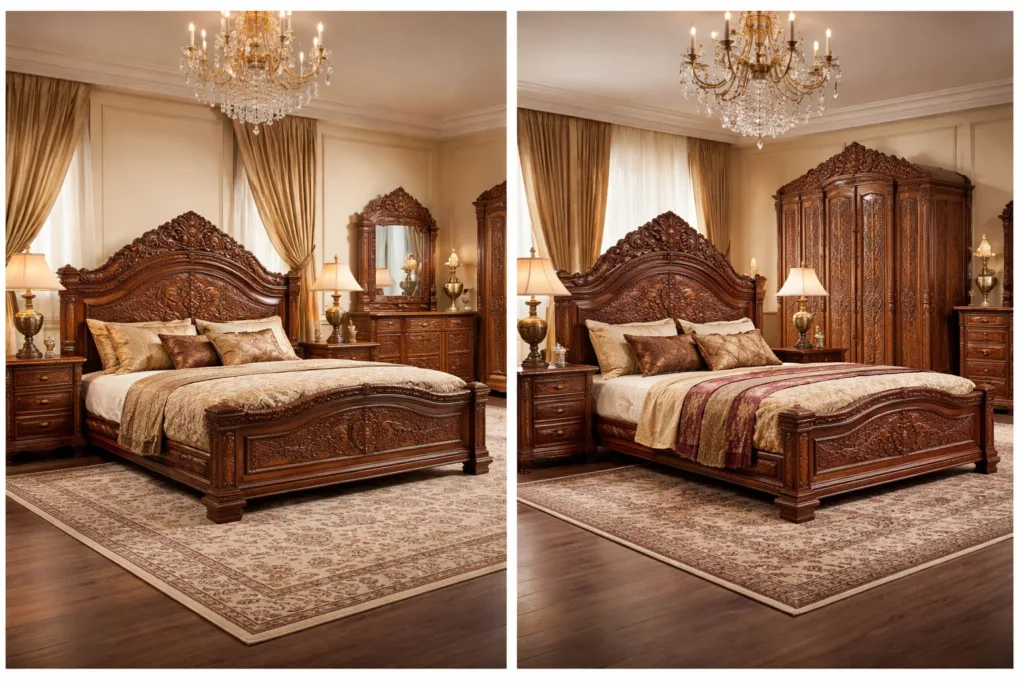
Local wooden furniture is one of the most common categories in Pakistan due to the availability of solid wood and skilled woodworking expertise. It includes items made from sheesham, deodar, pine, and mixed wood combinations depending on budget and usage requirements. Wooden furniture is preferred for its strength, repairability, and long service life when properly maintained. Buyers often choose wooden pieces for beds, cabinets, dining tables, and seating because they handle daily wear better than lighter engineered alternatives. The quality of local wooden furniture depends largely on wood selection, seasoning, and joinery rather than decorative finishing.
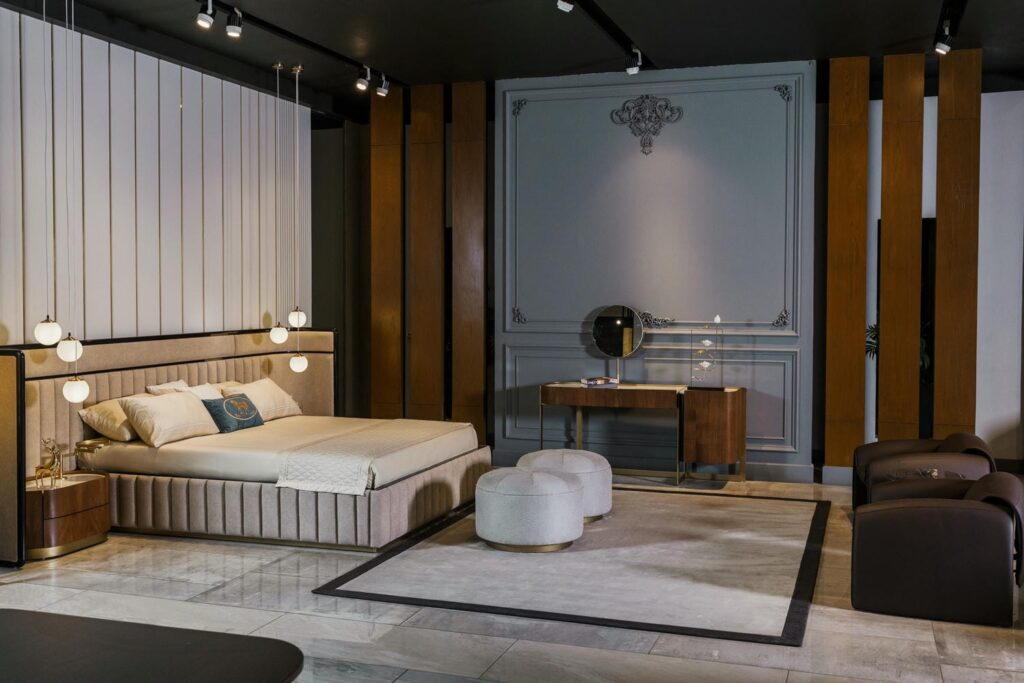
Local Bedroom Furniture
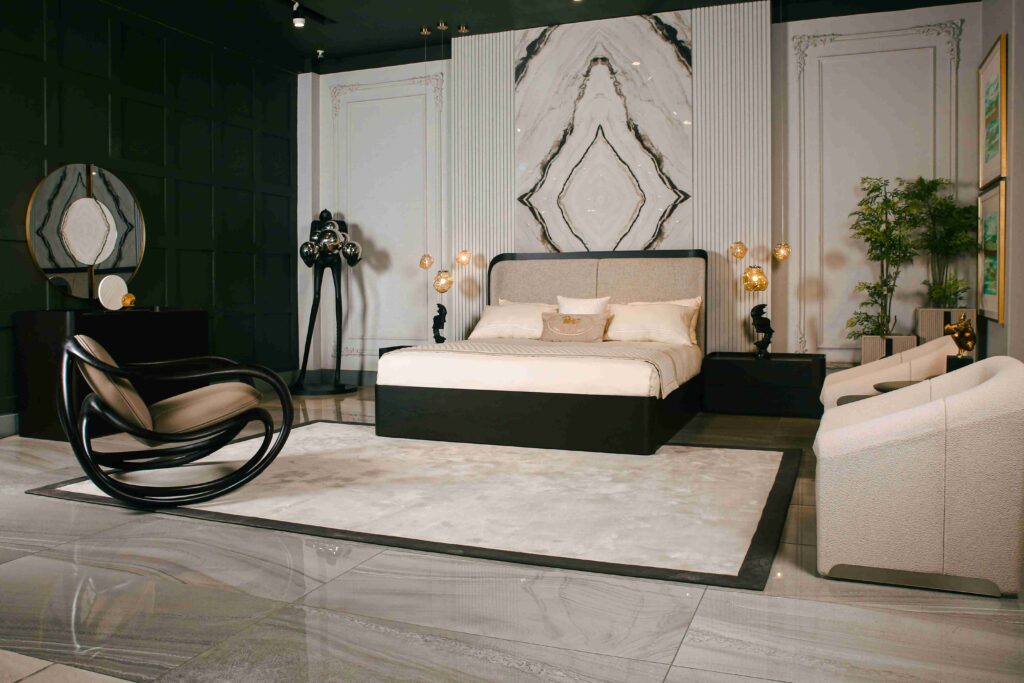
Local bedroom furniture in Pakistan typically includes bed sets, side tables, wardrobes, and dressers designed for practical storage and long-term use. Since room sizes vary widely, local manufacturers allow buyers to adjust dimensions, drawer layouts, and headboard designs. Solid wood frames are commonly used for beds to support weight and movement over time. Finishes are selected based on personal preference, ranging from natural polish to painted or laminated surfaces. Custom sizing and structural strength make locally produced bedroom furniture a reliable option for daily residential use.
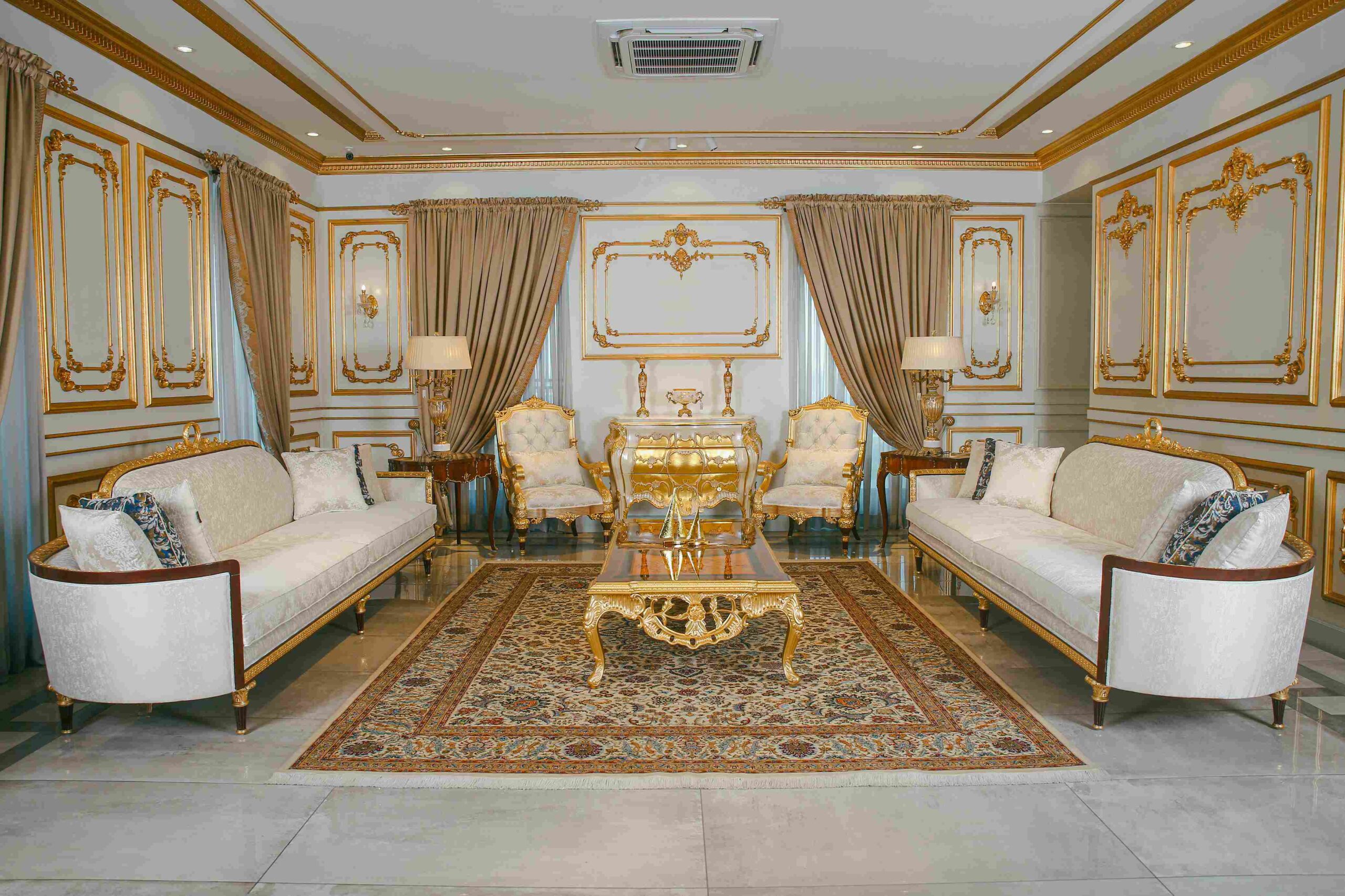
Local Living Room Furniture
Living room furniture produced locally focuses on seating comfort, durability, and space optimization. This category includes sofas, sofa sets, center tables, side tables, and display units. Local workshops allow flexibility in foam density, fabric selection, seat depth, and frame construction, which directly affects comfort and lifespan. Frames are usually built from solid wood or reinforced structures to handle frequent use. This level of control helps buyers balance appearance with everyday functionality rather than relying on standardized designs.
Local Office Furniture
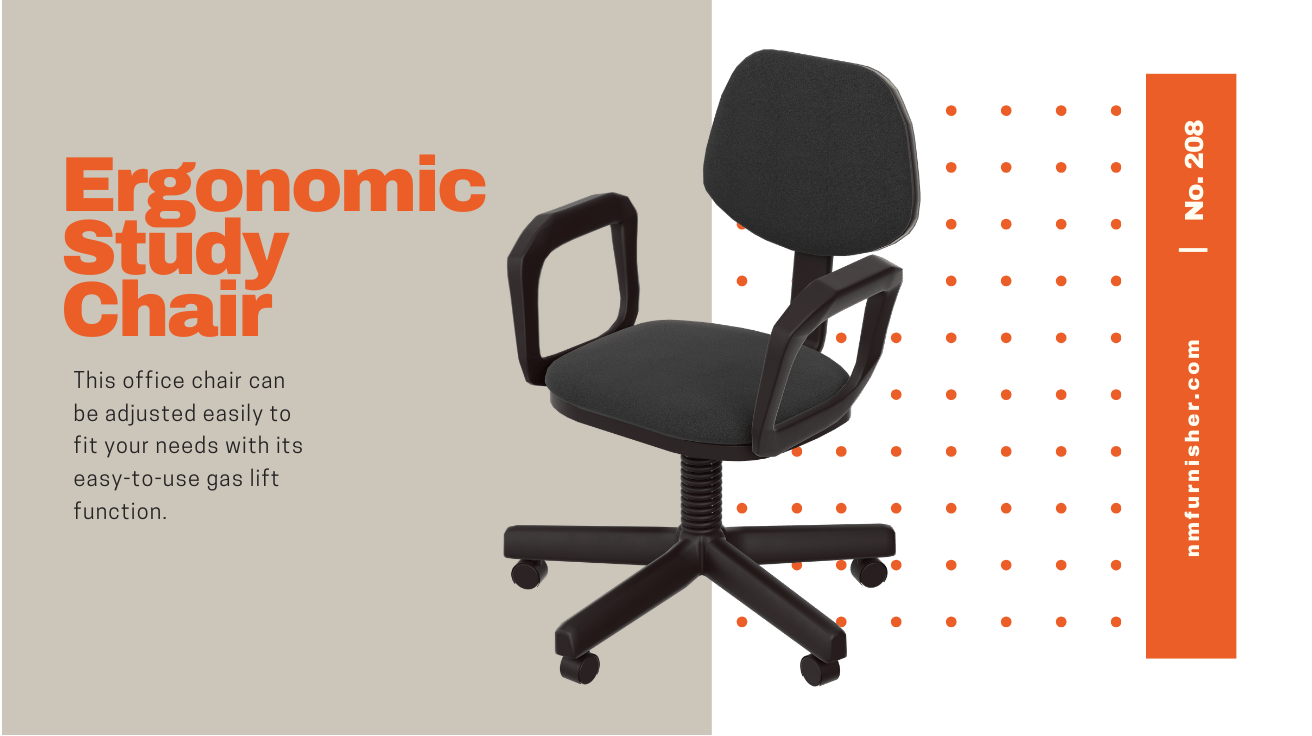
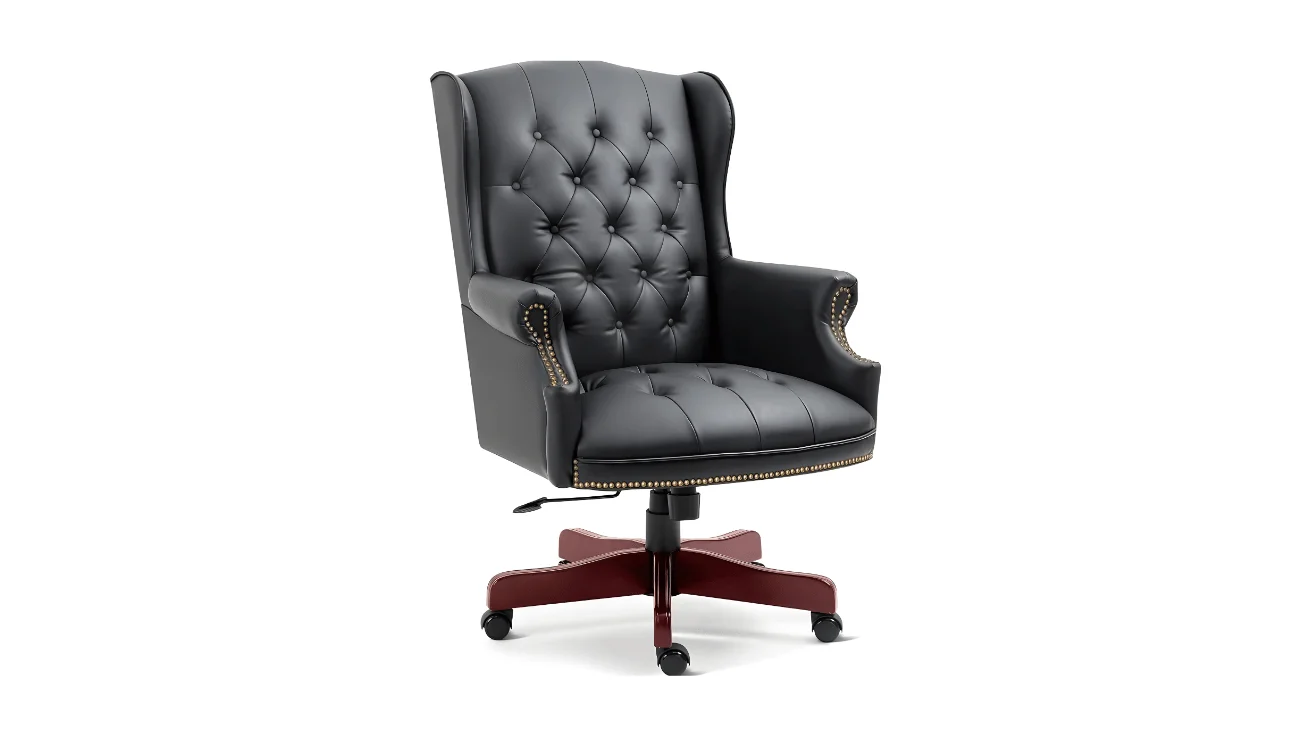
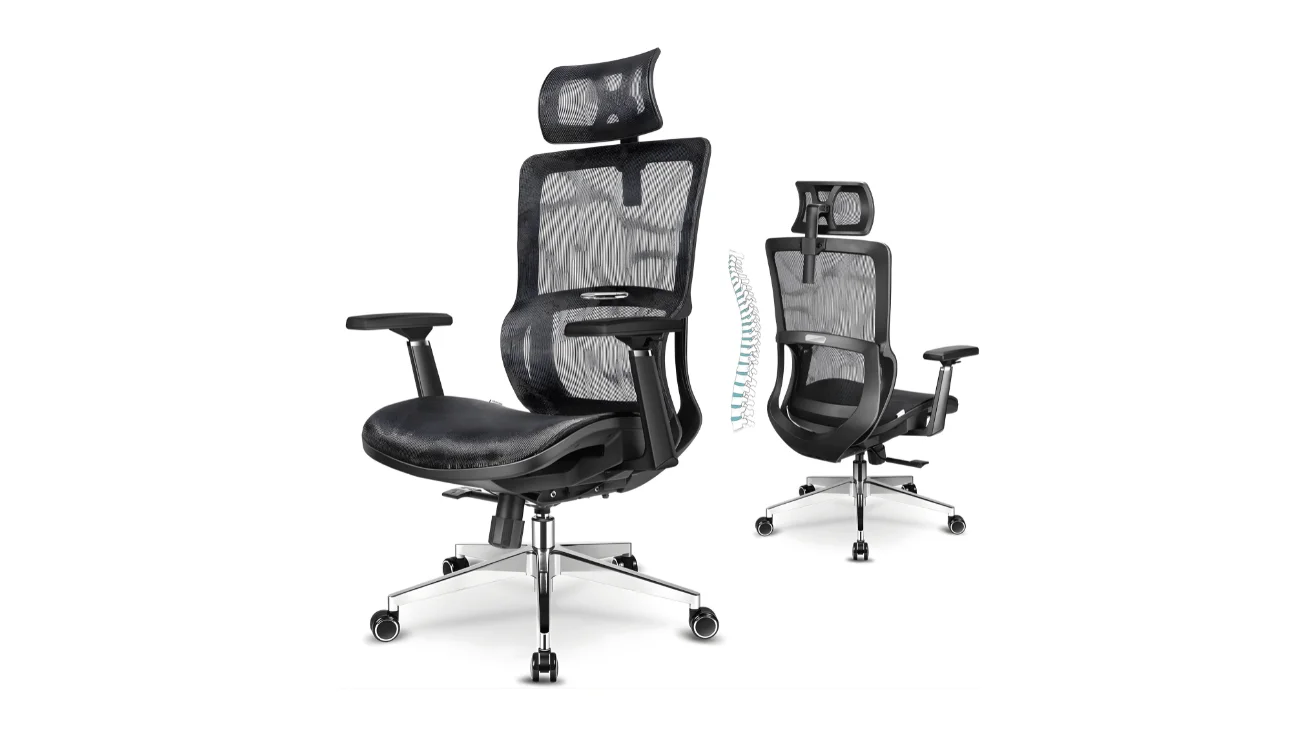
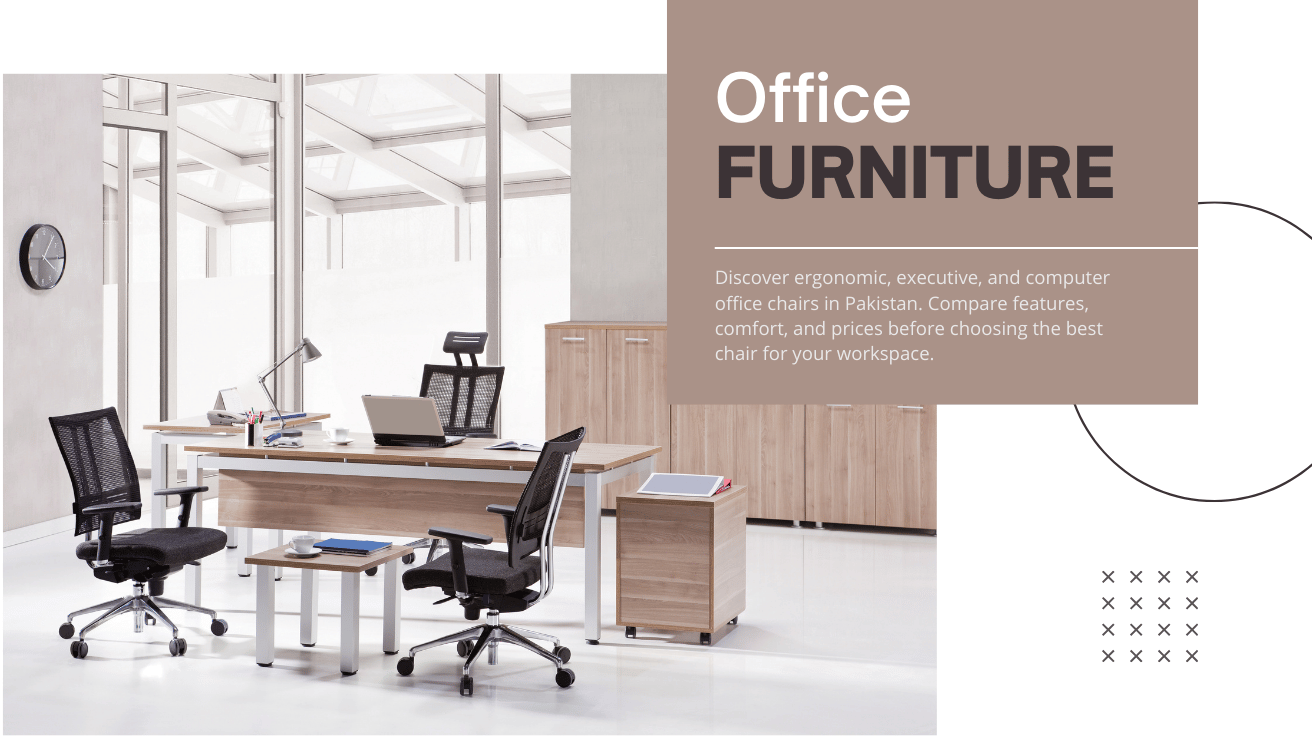
Local office furniture in Pakistan covers chairs, work tables, desks, storage units, and complete workstation setups. Offices often require furniture that fits specific layouts, employee workflows, and usage hours. Locally made office chairs can be built with stronger frames and adjusted seat dimensions, while work tables and workstations can be customized for cable management, storage, and space efficiency. Although ergonomic features vary by manufacturer, local office furniture allows practical modifications that improve comfort and usability for long working hours.

Custom-Made Furniture
Custom-made furniture represents the most flexible segment of local furniture in Pakistan. Buyers can collaborate directly with craftsmen to design furniture that meets specific functional, spatial, and aesthetic requirements. This approach is commonly used for built-in storage, unique room layouts, or specialized office needs. Custom-made furniture allows full control over materials, thickness, finish, and internal structure. While it requires careful planning and clear communication, it often results in better space utilization and longer-term satisfaction compared to off-the-shelf options.
Local Furniture Prices in Pakistan
Understanding local furniture prices in Pakistan is essential before making a purchase decision. Prices vary depending on wood type, construction quality, finishing, foam density, fabric selection, and customization level. Handmade solid wood pieces cost more than MDF-based options, and structural thickness directly affects durability and price. Buyers should evaluate value based on materials and build quality rather than appearance alone.
Sofa Set Price Range
The price of a locally manufactured sofa set depends largely on frame material, foam quality, and upholstery fabric. Basic MDF-frame sofa sets with standard foam typically start from the lower mid-range of the market. Solid wood frame sofas with high-density foam and durable fabric cost significantly more but offer better longevity. Customized dimensions, premium fabrics, and detailed stitching increase the final price. Buyers focused on long-term durability should prioritize frame strength and foam density over decorative design elements.
Bed Set Price Range
Local bed set prices in Pakistan vary based on wood type, storage features, and finishing quality. A simple bed frame without storage costs less, especially when made with engineered wood. Solid wood beds with box storage, hydraulic mechanisms, or carved headboards fall into a higher price bracket. Complete bedroom sets that include side tables and dressers increase the overall budget. The most important factor affecting price is whether the structure is built from full solid wood sections or mixed materials.
Dining Table Price Range
Dining table pricing depends on table size, seating capacity, wood thickness, and chair construction. Smaller four-seater sets made from engineered wood are more affordable. Six- or eight-seater solid wood dining sets with cushioned chairs cost more due to additional materials and labor. Surface finishing, such as polish, laminate, or glass topping, also impacts price. Buyers should ensure the table frame and leg joints are structurally strong, as dining tables handle regular weight and movement.
Office Furniture Price Range
Local office furniture pricing in Pakistan depends on functionality, material, and ergonomic features. Basic office desks and simple work tables fall into the entry-level range. Custom-built workstations with storage compartments and cable management cost more. Office chairs vary widely in price based on frame quality, cushioning, back support, and adjustment mechanisms. Buyers setting up offices should balance cost with comfort, especially for chairs used for long working hours.
Price Range Table
| Furniture Type | Basic Range (PKR) | Mid-Range (PKR) | Premium Solid Wood / Custom (PKR) |
|---|---|---|---|
| Sofa Set (5–7 Seater) | 55,000 – 85,000 | 90,000 – 160,000 | 170,000 – 300,000+ |
| Bed Set | 45,000 – 75,000 | 80,000 – 150,000 | 160,000 – 280,000+ |
| Dining Table Set | 40,000 – 70,000 | 75,000 – 140,000 | 150,000 – 250,000+ |
| Office Desk | 15,000 – 35,000 | 40,000 – 80,000 | 85,000 – 150,000+ |
| Office Chair | 12,000 – 25,000 | 30,000 – 65,000 | 70,000 – 120,000+ |
These price ranges reflect general market positioning within the local furniture in Pakistan segment. Final cost depends on customization, wood selection, finishing details, and seller reputation. Buyers should always inspect material thickness and structural strength before finalizing any purchase decision.
Best Wood Types Used in Local Furniture in Pakistan
The durability and long-term performance of local furniture in Pakistan depend heavily on the type of wood used in construction. Wood selection affects structural strength, resistance to moisture, maintenance requirements, and overall price. Buyers should understand material differences before making a decision, especially when comparing solid wood with engineered alternatives.
Sheesham Wood
Sheesham is one of the most widely used hardwoods in Pakistani furniture manufacturing. It is dense, strong, and naturally resistant to wear, which makes it suitable for beds, dining tables, and heavy-use furniture. Properly seasoned sheesham handles weight well and maintains structural integrity for many years. Its grain pattern also allows attractive polish finishes. However, quality depends on correct seasoning. Poorly dried sheesham can develop cracks over time, so buyers should confirm that the wood has been properly treated before construction.
Deodar Wood
Deodar is another commonly used wood in local furniture production. It is lighter than sheesham but still provides reasonable strength when used in thick sections. Deodar is often chosen for budget-friendly solid wood furniture and interior structural frames. While it is easier to work with and more affordable, it is not as dense as sheesham and may require proper finishing to protect against moisture. For moderate household use, deodar can be a practical option if the construction is reinforced properly.
MDF & Engineered Wood
MDF and other engineered wood materials are frequently used in modern local furniture due to cost efficiency and smooth surface finishing. These materials are made from compressed wood fibers and adhesives, creating uniform panels suitable for laminated or painted finishes. MDF is commonly used in wardrobes, cabinets, and decorative panels. While it provides a clean appearance and lower price point, it is less resistant to moisture and heavy load compared to solid wood. Its durability depends on thickness and proper internal support.
Solid Wood vs MDF
The choice between solid wood and MDF directly impacts the lifespan and maintenance of local furniture in Pakistan. Solid wood offers higher structural strength, better load-bearing capacity, and easier repair options. It can be sanded and refinished multiple times over the years. MDF, on the other hand, is more affordable and dimensionally stable but cannot handle prolonged moisture exposure or heavy structural stress. For high-use items such as beds, dining tables, and sofa frames, solid wood is generally the safer long-term investment. For cabinets, decorative units, or low-load furniture, engineered wood can be a practical and cost-effective solution.
Quality Factors to Check Before Buying Local Furniture
Evaluating quality is critical when purchasing local furniture in Pakistan, as construction standards can vary between workshops and manufacturers. Buyers should focus on material integrity, structural strength, and finishing details rather than surface appearance alone. Understanding these factors helps avoid premature wear, repairs, and replacement costs.
Wood Quality
Wood quality directly affects durability and stability. Buyers should confirm the type of wood used and whether it has been properly seasoned. Seasoned wood reduces the risk of cracking, warping, and joint failure over time. Solid wood components should feel dense and sturdy rather than lightweight. In mixed-material furniture, it is important to know which parts are solid wood and which are engineered boards, especially in load-bearing areas.
Joint & Structure Strength
Strong joints are the foundation of durable furniture. Local furniture should use solid joinery techniques that provide mechanical strength rather than relying solely on nails or adhesive. Buyers should check how legs, frames, and load-bearing sections are connected. Furniture that feels stable under pressure and does not wobble indicates proper structural assembly. Reinforced joints contribute significantly to long-term performance, especially in beds, sofas, and chairs.
Polish & Finishing
Finishing quality affects both appearance and protection. Proper polishing seals the wood surface, helping protect against moisture, dust, and daily wear. Uneven polish, rough edges, or inconsistent color can indicate rushed finishing. Laminated or painted surfaces should be smooth and firmly bonded without bubbles or peeling. A good finish enhances longevity while reducing maintenance requirements over time.
Foam & Fabric Quality
In upholstered local furniture, foam density and fabric quality are critical for comfort and lifespan. Low-density foam loses shape quickly, leading to sagging seats and poor support. Buyers should press the foam to assess how quickly it regains shape. Fabric quality affects resistance to tearing, fading, and staining. Durable upholstery improves usability and reduces the need for frequent replacement, especially in furniture intended for daily use.
Is Local Furniture Durable for Long-Term Use?
Durability is a common concern for buyers considering local furniture in Pakistan. The long-term performance of locally manufactured furniture depends on material selection, construction quality, usage patterns, and maintenance practices. When built correctly and cared for properly, local furniture can remain functional and structurally sound for many years.
Lifespan of Local Furniture
The lifespan of local furniture varies by wood type, joinery, and daily usage. Solid wood furniture made from properly seasoned sheesham or deodar can last decades, especially when structural components are thick and well-assembled. Furniture built with engineered wood generally has a shorter lifespan, particularly in high-load applications. Chairs, beds, and dining tables experience constant stress, so their durability depends more on frame strength than surface finish. Local furniture that prioritizes structural integrity over decorative detailing typically performs better over time.
Maintenance Requirements
Maintenance plays a major role in extending furniture life. Local furniture in Pakistan benefits from easy access to skilled labor and compatible materials, making repairs and refinishing practical. Regular dusting, controlled exposure to moisture, and occasional polishing help preserve wood quality. Upholstered furniture may require fabric cleaning or foam replacement after extended use. Because local furniture is not factory-sealed in rigid systems, maintenance interventions can be done without replacing entire units, reducing long-term ownership costs.
Climate Impact in Pakistan
Pakistan’s climate influences furniture durability, particularly in regions with high humidity or temperature fluctuations. Moisture exposure can affect poorly seasoned wood and low-quality engineered boards, leading to swelling or warping. Proper finishing and ventilation reduce these risks. Solid wood furniture with adequate sealing performs better in varying conditions, while MDF-based furniture requires dry environments. Understanding local climate conditions helps buyers choose appropriate materials and finishes for long-term performance.
Local Furniture for Home vs Office Use
Choosing the right type of local furniture in Pakistan depends on whether it is intended for residential or commercial use. Home and office environments have different functional demands, usage intensity, and durability expectations. Understanding these differences helps buyers select materials, dimensions, and construction styles that match real-world usage.
Home Furniture Needs
Home furniture is primarily designed for comfort, daily functionality, and aesthetic harmony with interior spaces. Beds, sofas, dining tables, and storage units must balance structural strength with visual appeal. In residential settings, furniture often needs to accommodate family use, varying room sizes, and long-term placement. Custom dimensions are particularly important in homes where space planning differs from standardized layouts. Local manufacturers allow adjustments in size, polish tone, fabric selection, and storage configuration to match personal preferences. Since usage patterns at home are less intensive than in offices, durability remains important but is usually centered around comfort and moderate daily wear rather than continuous load stress.
Office Furniture Requirements
Office furniture requires a more performance-oriented approach. Desks, workstations, and especially chairs must support productivity during long sitting hours. Structural stability is critical because office furniture handles repetitive daily use. Ergonomics becomes a key factor, particularly for office chairs that must provide back support, appropriate seat height, and stable arm positioning. Locally produced office furniture can be customized to suit layout constraints, team sizes, and workflow needs, including cable management and storage integration. When selecting local office furniture in Pakistan, buyers should prioritize frame strength, durable surfaces, and seating support to reduce fatigue and maintain workplace efficiency.
Advantages & Disadvantages of Local Furniture in Pakistan
An honest evaluation of local furniture in Pakistan helps buyers set realistic expectations and make informed decisions. Like any category, local furniture offers clear benefits but also comes with limitations that should be understood before purchase.
Advantages
Local furniture offers strong value because buyers pay primarily for materials and workmanship rather than branding or international logistics. Customization is a major advantage, allowing adjustments in size, design, material thickness, and finishing to suit real spaces and usage needs. Repair and maintenance are practical and affordable, as skilled labor and compatible materials are readily available. Solid wood construction is common in local furniture, which improves structural strength and long-term usability. Direct interaction with craftsmen also improves transparency, making it easier to verify materials and construction quality before final delivery.
Disadvantages
Quality consistency can vary between workshops, making careful inspection necessary. Not all local manufacturers follow standardized seasoning or finishing processes, which can affect durability if materials are poorly prepared. Design precision and uniform finishing may be less refined compared to high-end branded furniture, especially when working with small workshops. Warranty terms are often informal, relying more on personal assurance than written policies. Buyers who do not clearly specify requirements or fail to inspect materials during production may face issues related to finishing quality or structural detailing.
This balance of strengths and limitations explains why local furniture in Pakistan works best for buyers who prioritize practicality, customization, and long-term serviceability while remaining actively involved in the selection and verification process.
Where to Buy Local Furniture in Pakistan
Knowing where to purchase local furniture in Pakistan is as important as understanding materials and construction quality. The buying source influences price transparency, customization options, delivery timelines, and after-sales support. Different purchasing channels serve different buyer priorities.
Local Furniture Markets
Traditional furniture markets remain one of the most common places to buy local furniture. These markets bring together multiple workshops and sellers, allowing buyers to compare materials, designs, and workmanship in person. Direct interaction with manufacturers makes it easier to negotiate pricing and request custom changes. Buyers can inspect wood thickness, joinery, and finishing before placing an order. However, quality can vary significantly between sellers, so careful evaluation and clear communication are necessary to avoid inconsistencies.
Online Local Furniture Stores
Online local furniture stores have become increasingly popular for buyers seeking convenience and design consistency. These platforms often showcase standardized designs with fixed pricing, making budgeting easier. While customization options may be more limited compared to physical markets, reputable online sellers provide clear specifications, material details, and delivery timelines. Buyers should review product descriptions carefully and confirm material composition, especially when solid wood is claimed. Online stores can be a suitable option for buyers who prefer a structured purchasing process with documented order details.
Custom Furniture Workshops
Custom furniture workshops are ideal for buyers with specific spatial or functional requirements. These workshops work closely with clients to design furniture from scratch, allowing full control over dimensions, materials, and finishing. This approach is commonly used for built-in storage, offices with unique layouts, or homes with space constraints. While custom furniture may require longer lead times, it often delivers better space utilization and functional accuracy. Clear drawings, material confirmation, and staged inspections help ensure the final product meets expectations.
How to Choose the Right Local Furniture Seller
Selecting the right seller is critical when buying local furniture in Pakistan, as the seller’s practices directly affect quality, delivery, and long-term satisfaction. A reliable seller provides clarity, accountability, and consistent workmanship rather than relying on verbal promises alone.
Price Transparency
A trustworthy local furniture seller clearly explains how pricing is structured. This includes material type, wood thickness, finishing method, upholstery quality, and any customization charges. Vague or fluctuating pricing often leads to compromises in materials or workmanship. Buyers should request a clear breakdown of what is included in the quoted price and confirm whether delivery and installation are covered. Transparent pricing helps prevent misunderstandings and ensures that cost reductions do not come at the expense of structural quality.
Warranty & After-Sales
Although formal warranties are less common in local furniture, responsible sellers provide practical after-sales support. This may include repair assistance, polishing services, or structural adjustments within a reasonable period after delivery. Buyers should clarify what support is offered in case of defects or finishing issues. Sellers who are confident in their workmanship are usually willing to stand behind their products. Clear communication about after-sales expectations reduces long-term risk.
Reviews & Reputation
Seller reputation is one of the most reliable indicators of quality. Buyers should look for consistent feedback from previous customers, either through online reviews or direct referrals. A seller with repeat clients and positive word-of-mouth is more likely to maintain quality standards. Visiting completed projects or viewing past work can provide valuable insight into construction consistency and finishing quality. Reputation built over time often reflects reliability more accurately than marketing claims.
Common Mistakes People Make When Buying Local Furniture
Many buyers face dissatisfaction with local furniture in Pakistan not because the furniture is inherently poor, but because of avoidable decision-making mistakes. Understanding these common errors helps buyers protect their investment and ensure long-term usability.
Choosing Price Over Quality
Focusing solely on the lowest price often results in compromised materials and weak construction. Lower pricing may indicate thinner wood sections, low-density foam, or inadequate joinery. While local furniture is generally affordable, unusually low quotes usually involve trade-offs that affect durability. Buyers should evaluate value rather than cost, ensuring that price aligns with material quality and structural strength.
Ignoring Wood Type
Not confirming the wood type is a frequent mistake. Buyers may assume solid wood construction without verifying which components are actually solid and which are engineered boards. Load-bearing areas such as frames and legs require stronger materials. Ignoring wood type can lead to furniture that deteriorates faster, especially under regular use. Asking specific questions about material composition helps prevent misunderstandings.
No Warranty Check
Many buyers overlook after-sales assurance when dealing with local furniture sellers. Even informal warranties or service commitments provide a level of accountability. Without clarifying repair or adjustment support, buyers may struggle to address finishing defects or structural issues after delivery. Confirming after-sales terms in advance helps reduce risk and ensures smoother resolution if problems arise.
Is Local Furniture Worth Buying in Pakistan?
Deciding whether local furniture in Pakistan is the right choice depends on budget expectations, intended usage, and design requirements. Local furniture is not a one-size-fits-all solution, but for many buyers, it offers practical advantages when evaluated realistically.
For Budget Buyers
For buyers working within defined budgets, local furniture provides better control over spending without sacrificing essential quality. Instead of paying for branding or imported logistics, buyers can allocate their budget toward stronger materials or improved finishing. Local sellers often offer flexible pricing options based on material selection, allowing buyers to prioritize durability where it matters most. This makes local furniture a sensible option for households and small businesses seeking functional, affordable solutions.
For Long-Term Use
When built with solid materials and proper joinery, local furniture can perform well over long periods. Its durability is enhanced by the availability of repair and maintenance services, which are easier and more affordable locally. Buyers who prioritize structural strength and are willing to maintain furniture periodically often find that local furniture offers better long-term value than mass-produced alternatives that are difficult to repair.
For Custom Design Lovers
Local furniture is particularly suitable for buyers who want control over design and dimensions. Customization allows furniture to fit specific spaces, storage needs, and aesthetic preferences. This is valuable in homes and offices with non-standard layouts or unique functional requirements. Buyers who communicate clearly with craftsmen and review materials during production often achieve results that standard furniture cannot offer.
Frequently Asked Questions About Local Furniture in Pakistan
Is local furniture in Pakistan cheaper than branded furniture?
Local furniture in Pakistan is usually cheaper because pricing is based on materials, labor, and customization rather than branding, imported logistics, or showroom overheads. Buyers pay directly for construction quality, which often results in better value within the same budget.
What are the prices of local furniture in Pakistan?
Local furniture prices in Pakistan vary depending on wood type, design complexity, and finishing. Basic items made with engineered wood fall into lower price ranges, while solid wood and custom-built furniture cost more. Price differences mainly reflect material quality and structural strength rather than appearance alone.
Where can I find local furniture in Pakistan with prices?
Local furniture prices can be found in physical furniture markets, online local furniture stores, and directly through custom workshops. Physical markets allow direct negotiation, while online stores provide clearer listed pricing. Custom workshops usually quote prices based on design and material selection.
Is cheap local furniture in Pakistan reliable?
Cheap local furniture can be reliable if basic construction standards are followed, but extremely low prices often indicate compromises in wood thickness, foam quality, or joinery. Buyers should evaluate materials and structure carefully rather than relying only on price.
Which city is best for buying local furniture in Pakistan?
Major cities such as Lahore, Karachi, and Islamabad have well-established furniture markets and workshops. Lahore is particularly known for wholesale furniture markets and large production clusters, but quality local furniture is available across Pakistan when sellers are chosen carefully.
Is local furniture in Pakistan available for sale online?
Yes, many local furniture sellers now operate online stores offering beds, sofas, dining sets, and office furniture. Online platforms provide convenience and design consistency, but buyers should verify material details and confirm whether items are solid wood or engineered wood.
How long does local furniture last in Pakistan?
The lifespan of local furniture depends on wood type, joinery, and maintenance. Solid wood furniture made from properly seasoned sheesham or deodar can last decades. Furniture made with MDF or engineered boards usually has a shorter lifespan, especially under heavy use.
Is local office furniture good for long working hours?
Local office furniture can be suitable for long working hours when structural stability and basic ergonomic design are prioritized. Office chairs with proper back support and desks built at correct heights perform better over time. Custom-built workstations also improve comfort and space efficiency.
Can local furniture in Pakistan be customized easily?
Customization is one of the biggest advantages of local furniture. Buyers can modify dimensions, materials, finishes, storage layouts, and upholstery. Clear communication and confirmation of materials are essential to ensure the final product meets expectations.
Which wood is best for local furniture in Pakistan?
Sheesham wood is generally considered the best option due to its strength, density, and durability. Deodar is a more affordable solid wood choice for moderate use. MDF and engineered wood are suitable for low-load or decorative furniture when used appropriately.
Is second-hand local furniture a good option in Pakistan?
Second-hand furniture can be a cost-effective option if the structure is solid and the wood is in good condition. Buyers should inspect joints, frames, and signs of moisture damage before purchasing. Solid wood furniture retains value better than engineered wood in resale markets.
How can I avoid scams when buying local furniture in Pakistan?
Buyers should avoid vague pricing, unverified material claims, and sellers unwilling to show previous work. Confirm wood type, construction method, delivery timeline, and after-sales support before placing an order. Choosing sellers with established reputations reduces risk.
These FAQs address the most common informational and buying-related questions users search for when researching local furniture in Pakistan, helping readers make confident, well-informed decisions.
Conclusion
Local furniture in Pakistan offers a practical combination of affordability, customization, and long-term serviceability. Buyers benefit from flexible pricing, material choice, and direct access to repairs and maintenance. When selected carefully, local furniture can match or exceed the functional value of branded alternatives, especially for homes and offices with specific space and usage needs. The key to a successful purchase is focusing on wood quality, structural strength, transparent pricing, and seller reliability. Buyers planning a complete setup should also review related categories such as office furniture and seating solutions to ensure consistency in comfort and durability across spaces.
Comments are closed