


 18Mar
18Mar
Furnishing a home or office requires a significant investment of time, money, and careful planning. Understanding how to buy furniture in Pakistan is essential because the local market offers a vast and often overwhelming range of options, from traditional hand-carved solid wood pieces to modern imported designs. Navigating this landscape successfully demands a clear understanding of materials, construction standards, craftsmanship quality, and prevailing pricing structures that directly influence durability, comfort, and long-term performance.
This guide serves as a comprehensive resource for buyers who want to make informed decisions that balance visual appeal with structural integrity and practical value. Furniture is not a short-term purchase, and mistakes made at the buying stage often result in discomfort, frequent repairs, or premature replacement. By approaching the process with the right knowledge, you can avoid common pitfalls that many buyers face in Pakistan’s diverse and largely unregulated furniture market.
Whether you are furnishing a new house in Lahore, renovating an apartment in Karachi, or setting up a corporate office in Islamabad, the principles outlined here will help you evaluate options objectively, compare quality with confidence, and choose pieces that genuinely suit your space and lifestyle. The goal is not simply to fill rooms with furniture, but to create environments that function well, feel comfortable, and continue to serve you reliably for many years.
Buyers who want to explore high-quality furniture in Pakistan with modern designs and reliable craftsmanship can also review curated collections from trusted furniture brands before making a final purchase decision.
Understand Your Furniture Needs
Assessing Room Function and Usage
The first step in any furniture purchase is a careful and honest evaluation of how each space will actually be used on a daily basis. A living room in a busy family home with children places very different demands on furniture compared to a formal drawing room that is used only for receiving guests. You must identify the main activities that will occur in the room, such as relaxing, entertaining, working, or dining, because these functions directly determine the level of durability, comfort, and maintenance required.
High-traffic areas require strong internal frames, durable upholstery, and finishes that can tolerate constant use without showing damage quickly. Formal spaces, on the other hand, can accommodate more delicate fabrics, lighter frames, and decorative detailing because they are exposed to less wear. Understanding how often a room will be used and by whom allows you to prioritize where higher-quality materials are essential and where moderate-quality options can perform adequately. This practical assessment prevents overspending on rarely used spaces and underinvesting in areas that experience heavy daily use.
Space Planning and Measurements
Accurate measurements are the foundation of successful furniture selection and functional room layout. Purchasing furniture without a clear understanding of room dimensions frequently results in overcrowded spaces, blocked walkways, or pieces that appear visually disproportionate. You should measure the length, width, and height of the room and also note the location of doors, windows, columns, and electrical outlets. Ceiling height is equally important when selecting tall wardrobes, shelving units, or bunk beds.
Traffic flow must be considered during planning so that people can move comfortably through the room without bumping into furniture or squeezing through tight gaps. A sofa that fits physically against a wall may still feel too large if it restricts circulation. Similarly, a dining table that looks elegant in isolation may leave insufficient space for chairs to be pulled out. Evaluating scale, proportion, and clearance zones ensures that furniture supports everyday movement and does not turn the room into an obstacle course.
Lifestyle-Based Furniture Selection
Your lifestyle should influence furniture choices more than current trends, catalog photography, or showroom displays. Homes with pets or small children benefit from tightly woven fabrics, darker colors, and materials that resist stains and scratches. Buyers who frequently host gatherings should prioritize flexible seating arrangements and expandable dining solutions that accommodate varying numbers of guests.
For individuals who work from home, ergonomic chairs, proper desk heights, and supportive seating become essential health considerations rather than optional upgrades. Elderly family members may require higher seating heights and firm cushions that make standing easier. When furniture is selected based on real daily habits, the result is a home that feels comfortable, practical, and easy to live in, rather than a space that merely looks good but fails to support everyday life.
Set Your Budget Before Buying Furniture
Allocating Budget by Furniture Type
Establishing a clear and realistic budget before visiting markets or browsing online stores is essential to prevent impulse spending and financial imbalance. Not all furniture pieces carry the same importance or usage frequency, which means they should not receive equal portions of your budget. Foundational items such as the master bed, primary sofa set, and main dining table experience daily use and therefore require stronger construction, better materials, and higher-quality finishes to ensure long-term performance.
Secondary pieces, including side tables, console tables, accent chairs, and guest room furniture, can be selected from more economical ranges without significantly affecting overall comfort or functionality. When budget distribution is planned strategically, you are able to invest more in items that directly affect daily living while keeping decorative or occasional-use pieces within controlled cost limits. This approach creates a balanced home where quality is present where it truly matters.
Hidden and Additional Costs
Many buyers concentrate only on the visible price of a furniture item and underestimate the impact of additional expenses that accumulate during the purchasing process. Delivery charges in Pakistan can vary widely depending on distance, building access, and floor level, particularly in apartment complexes without elevators. Large or heavy items may also require special handling, which further increases transportation costs.
Installation and assembly fees are another factor often overlooked, especially for wardrobes, wall-mounted units, and modular storage systems. If you request customization in size, fabric, polish color, or hardware, additional charges may apply even when the base price seems reasonable. Factoring these costs into your budget at the planning stage provides a more accurate picture of the total investment and prevents unpleasant surprises at the time of payment.
Choose the Right Furniture Material
Solid Wood Options in Pakistan
Solid wood remains the benchmark for durability, structural strength, and long-term value in the Pakistani furniture market. Sheesham, also known as Indian Rosewood, is the most widely used species because of its dense composition, distinctive grain patterns, and natural resistance to decay. Walnut is considered a premium choice due to its rich dark tones and fine texture, making it popular for detailed carving and statement pieces. Teak wood is highly regarded for areas exposed to moisture, such as outdoor furniture or humid environments, because its natural oils repel water and insects.
Beyond wood species, buyers must understand the importance of proper seasoning and moisture control. Well-seasoned wood has been dried to reduce internal moisture content, which minimizes the risk of cracking, splitting, or warping over time. In Pakistan’s climate, poorly seasoned wood can absorb humidity and gradually deform, even if the outer finish looks intact. Asking whether the wood has been kiln-dried or properly air-seasoned provides valuable insight into its long-term stability.
Termite treatment is another critical factor when investing in solid wood furniture. High-quality manufacturers apply chemical treatments or borate solutions to protect the wood from infestation. Without this step, even premium hardwood can deteriorate rapidly. Although solid wood furniture carries a higher initial cost, its ability to be sanded, refinished, and repaired means it can remain functional and visually appealing for decades. Understanding these material characteristics allows you to evaluate authenticity and justify the price being asked.
For further technical details about this wood species, you can read more about Indian Rosewood (Sheesham) here: https://en.wikipedia.org/wiki/Indian_rosewood

Engineered Wood and MDF
Engineered woods such as Medium Density Fiberboard and chipboard are widely used in modern furniture manufacturing because they offer cost efficiency and consistent surface quality. MDF provides a smooth, uniform texture that is ideal for painted finishes and contemporary designs where visible wood grain is not required. It is less sensitive to temperature changes than solid wood, reducing the likelihood of surface cracking, but it does not match solid wood in load-bearing strength.
Laminated chipboard is commonly used for wardrobes, office desks, and storage units due to its affordability and wide range of decorative laminates. The quality of engineered wood furniture depends heavily on board density, thickness, and edge sealing. Poorly sealed edges allow moisture to penetrate, causing swelling and surface peeling. For engineered wood pieces, it is essential to check the thickness of panels and the quality of lamination, as these factors determine durability more than appearance alone.

Upholstery Materials and Fabrics
Upholstery selection influences both the comfort level and the maintenance demands of seating furniture. Velvet introduces depth and richness to formal interiors but requires regular brushing and gentle cleaning to maintain its texture. Linen and jute blends provide breathable, textured finishes that suit casual living spaces, although they may wrinkle and stain more easily if not treated.
Fabric weave type plays an important role in performance. Tightly woven fabrics resist abrasion better than loosely woven ones and are more suitable for high-use seating. Exposure to direct sunlight can cause certain fabrics to fade over time, particularly darker or vibrant colors. Positioning furniture away from strong sunlight or choosing fade-resistant fabrics helps preserve appearance.
Another practical consideration is whether cushion covers are removable or fixed. Removable covers allow easier cleaning and replacement, extending the usable life of the furniture. Leather, both genuine and high-quality synthetic, offers a refined look and simple maintenance but can feel warm in hot weather and cold in winter. Understanding these trade-offs helps you select upholstery that matches your lifestyle and environmental conditions.

Metal and Glass Furniture
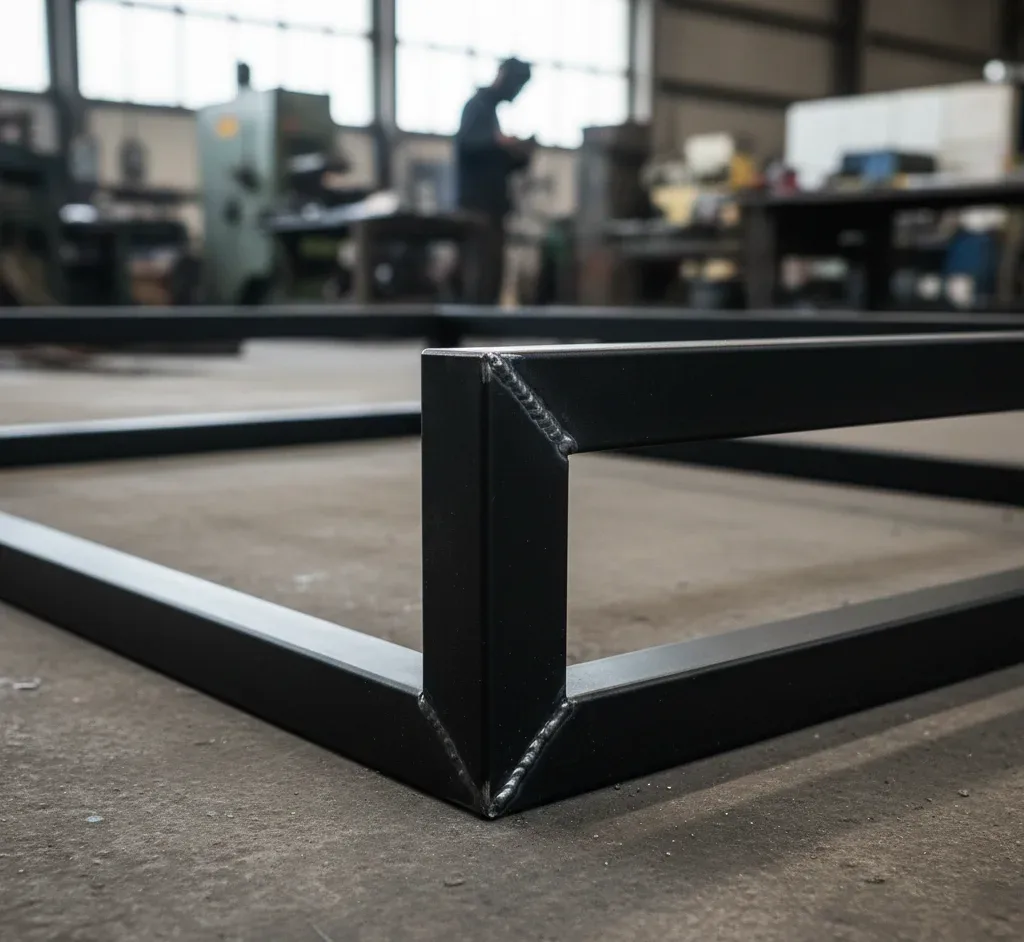
Metal and glass furniture contributes to modern, industrial, and minimalist interiors by creating lighter visual profiles and cleaner lines. Stainless steel frames offer excellent corrosion resistance and structural strength, making them suitable for dining tables, coffee tables, and shelving systems. Powder-coated iron is frequently used for bed frames and outdoor furniture because the coating protects against rust and surface wear.
Tempered glass is the preferred choice for tabletops due to its strength and safety characteristics. It is significantly more impact-resistant than regular glass and breaks into blunt fragments rather than sharp shards. Metal and glass elements can make small rooms appear more open by reflecting light and reducing visual heaviness. However, these materials require regular cleaning to maintain their appearance and may show fingerprints and dust more readily than wood or fabric surfaces.
Popular Furniture Types in Pakistan
Bedroom Furniture
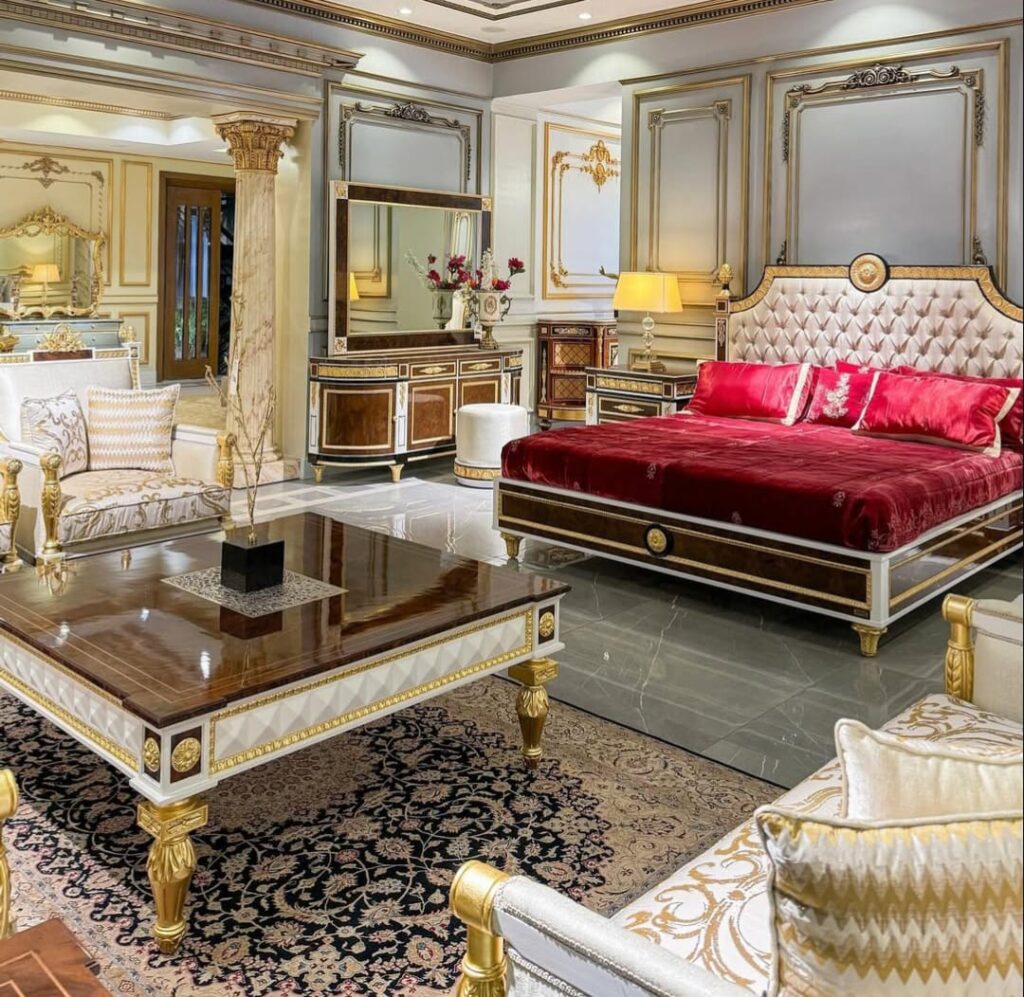
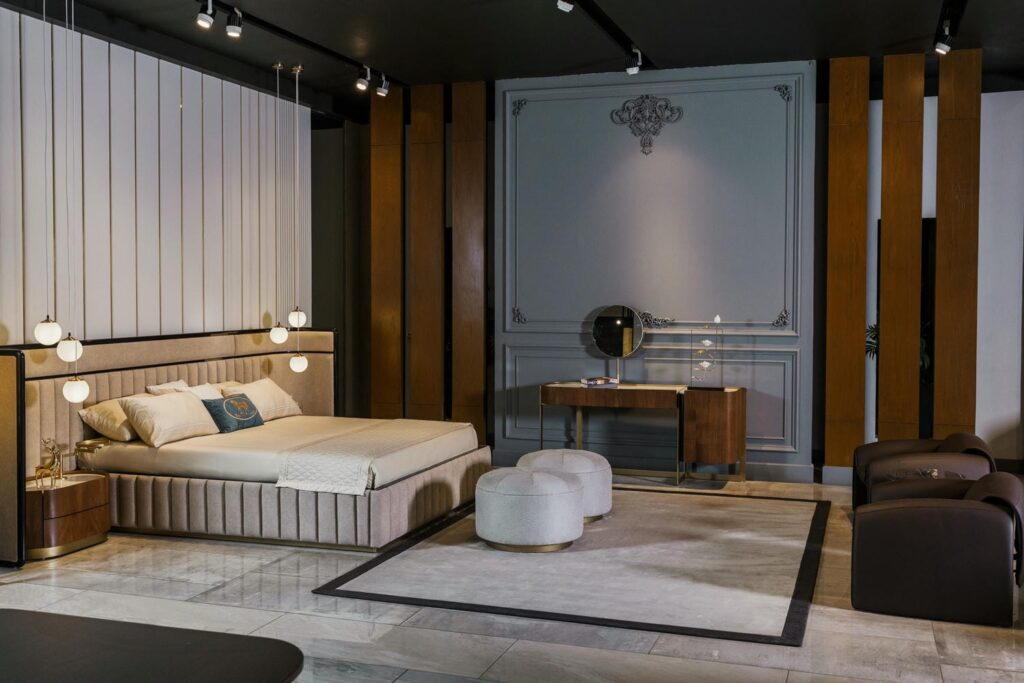
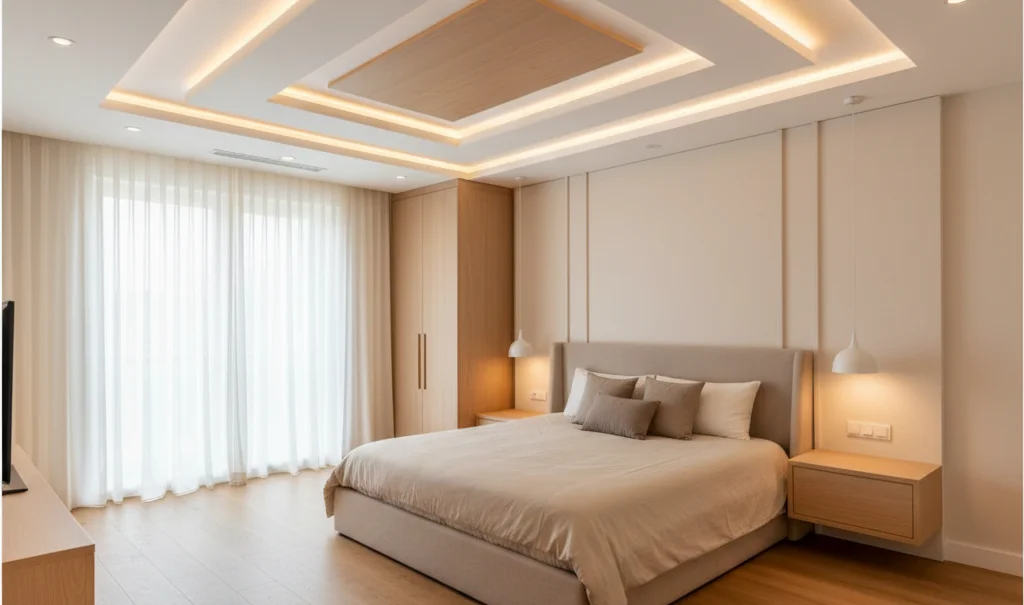
The bedroom functions as a personal retreat, and the furniture selected for this space must place comfort and support above all else. The bed frame is the central element and should provide a solid foundation for the mattress to prevent sagging and uneven wear. A poorly constructed bed can compromise sleep quality and shorten the lifespan of even a high-quality mattress. Storage pieces such as wardrobes and dressers should offer adequate internal organization while making efficient use of vertical space, particularly in smaller bedrooms where floor area is limited.
Side tables must be proportionate to the bed height so that lamps, phones, and personal items remain easily accessible. In many Pakistani homes, complete bedroom sets that include a bed, two side tables, and a dresser with mirror are preferred because they create a visually cohesive look and simplify coordination. However, buyers should still evaluate each individual piece for construction quality rather than assuming uniform standards across the entire set.
Living Room Furniture
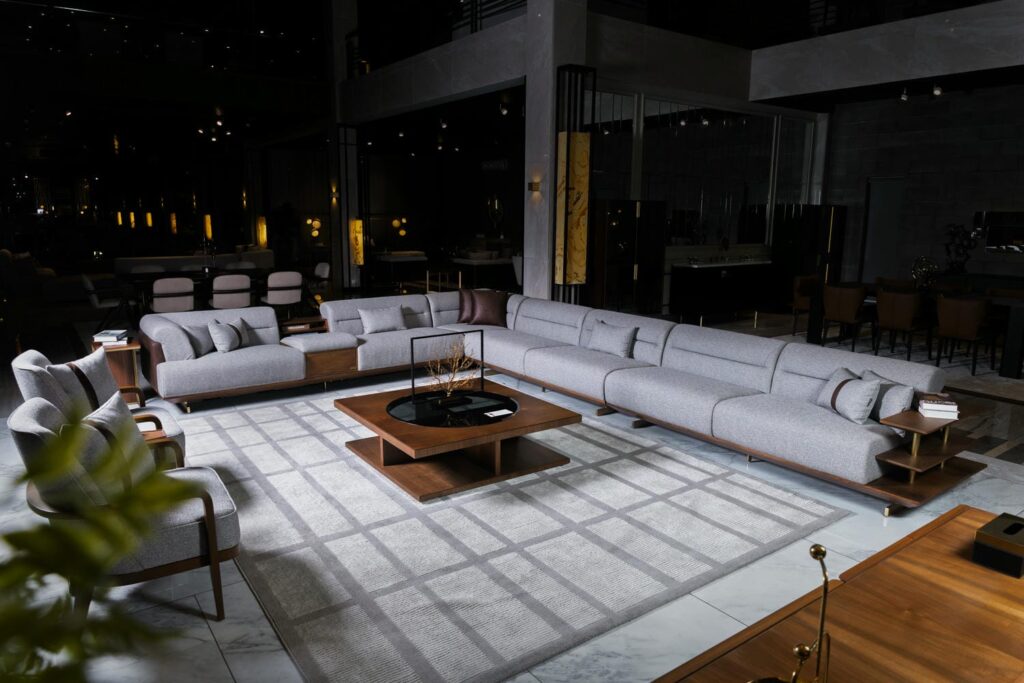
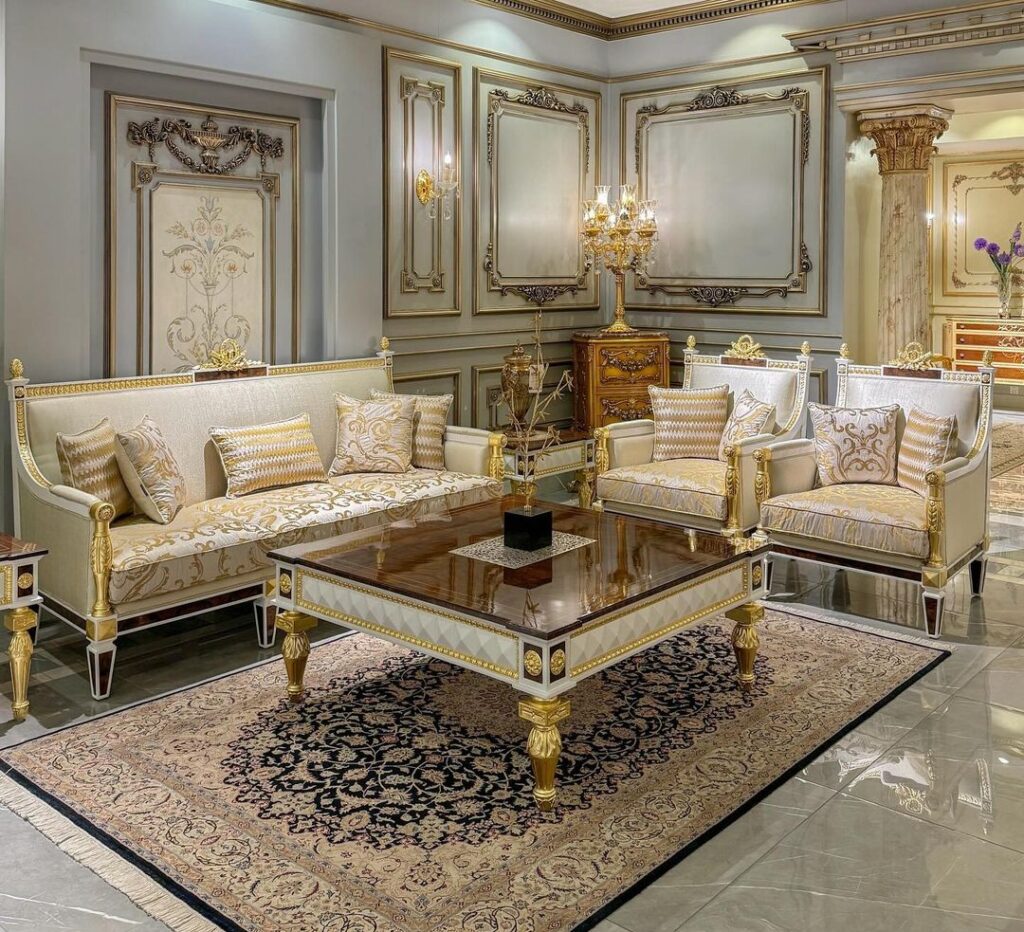
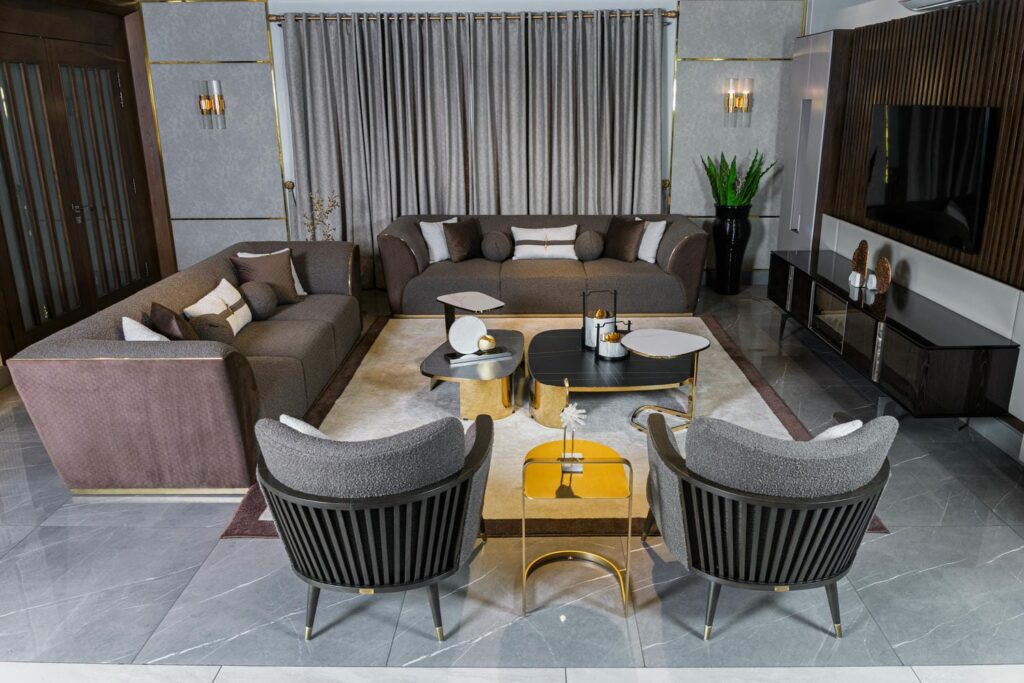
Living room furniture forms the social core of the home and must support both daily family use and occasional gatherings. The sofa set typically dictates the overall layout, and its size should be selected based on the number of people who regularly use the space rather than showroom appearance alone. For smaller rooms, a compact three-seater or a two-seater with accent chairs often provides better balance than oversized sets.
Choosing between a sectional sofa and a traditional three plus two arrangement requires consideration of room shape and circulation. Sectional sofas maximize seating in compact spaces but can limit flexibility, while separate pieces allow for easier rearrangement. Entertainment units should be proportioned to the television size and placed at a viewing height that does not strain the neck. Coffee tables, side tables, and consoles should complement the seating without overcrowding the room.
Rug coordination plays an important role in visually grounding living room furniture. A rug that is too small can make furniture feel disconnected, while an appropriately sized rug unifies seating elements and defines the conversation area. When living room furniture is planned holistically, the space feels comfortable, balanced, and easy to navigate.
Dining Furniture
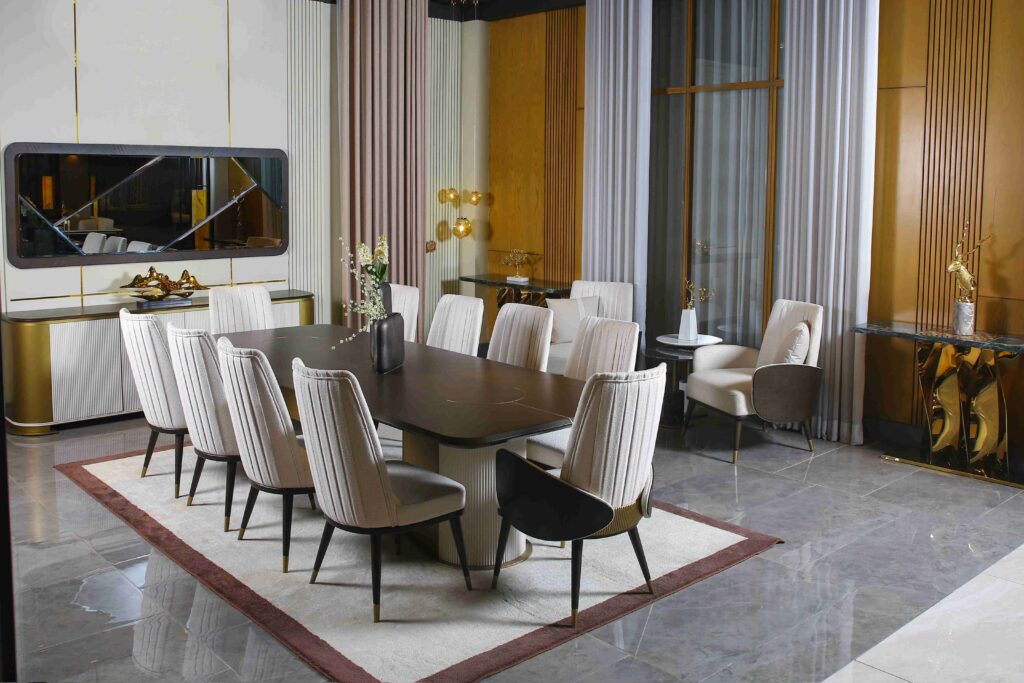
Dining furniture must withstand daily use while maintaining visual appeal. The dining table surface should be resistant to heat, moisture, and scratches, particularly in households where meals are served directly on the table without protective mats. Solid wood, tempered glass, and high-pressure laminates are commonly used for this reason.
Chairs should provide proper back support and seat height to allow comfortable sitting during extended meals. Upholstery materials should be chosen with easy cleaning in mind, especially in homes with children. Sideboards, buffets, or crockery units add valuable storage and help keep the dining area organized.
In open-plan homes, dining furniture should visually relate to adjacent living room pieces through complementary finishes, colors, or design language. This continuity creates a cohesive interior rather than a collection of unrelated zones.
Office Furniture
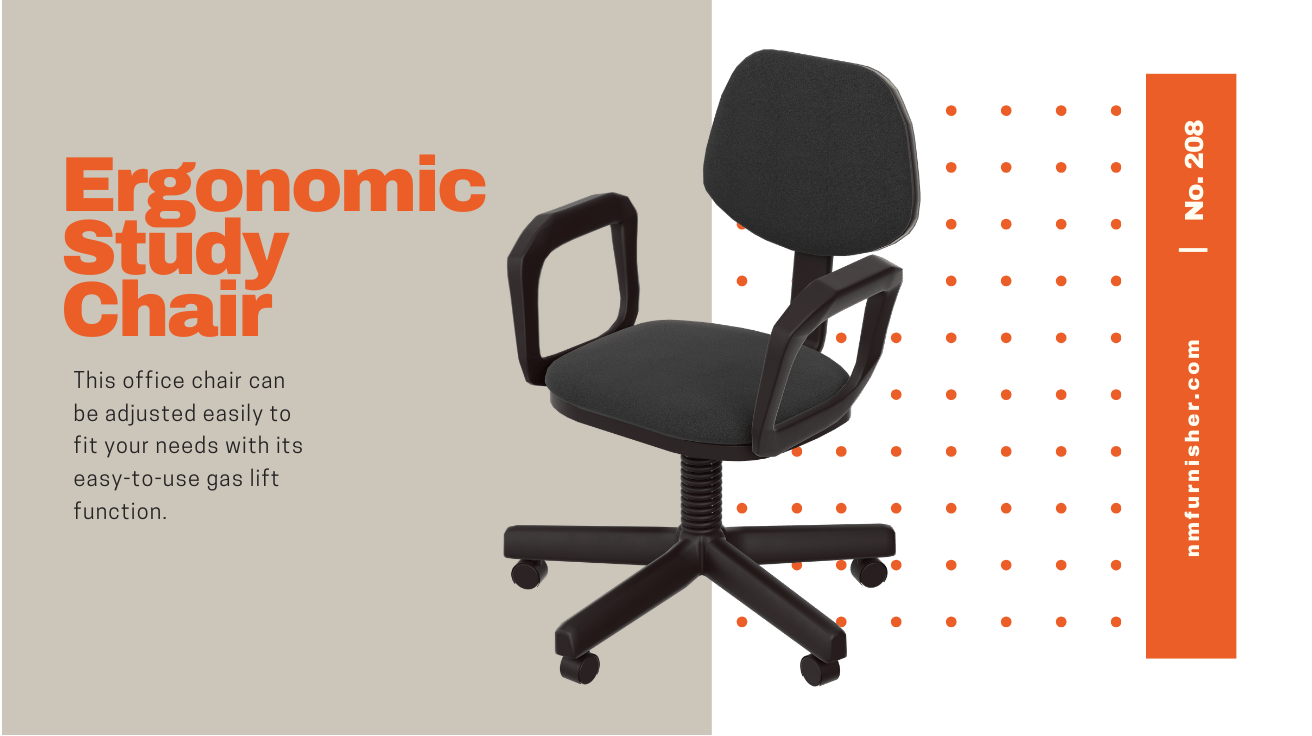
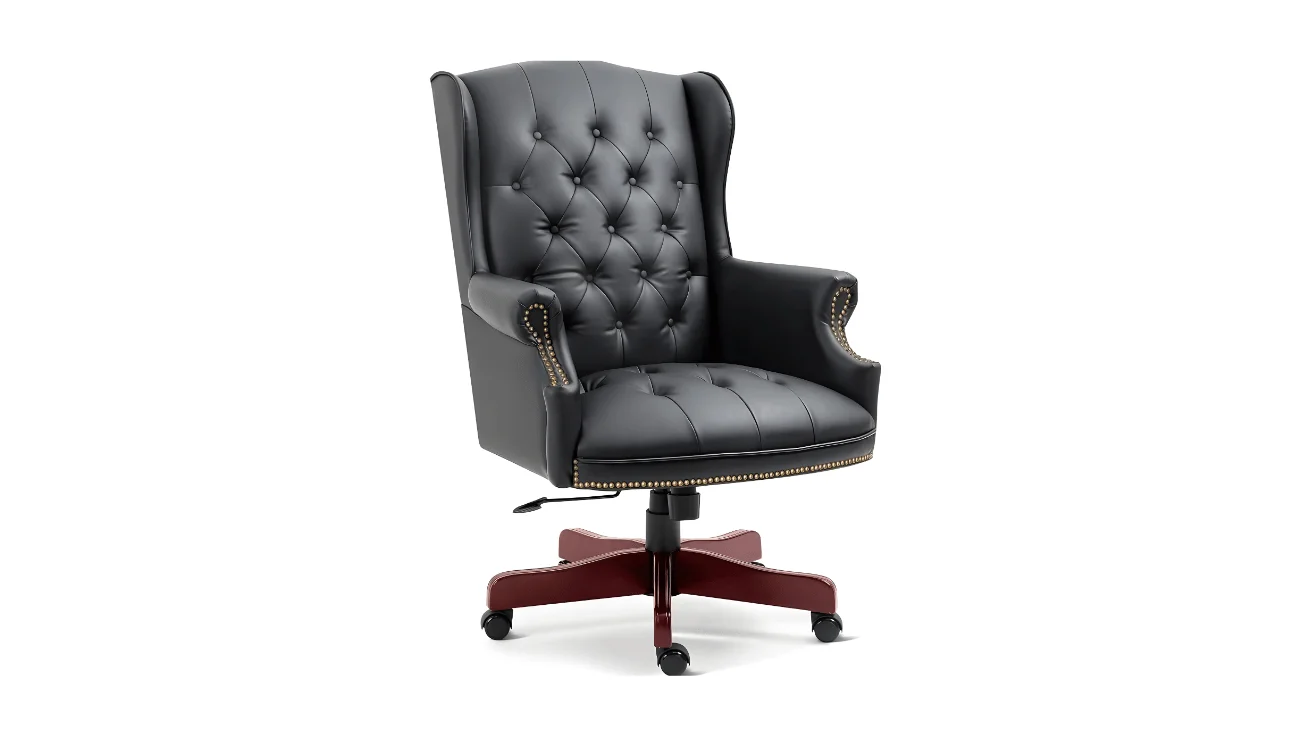
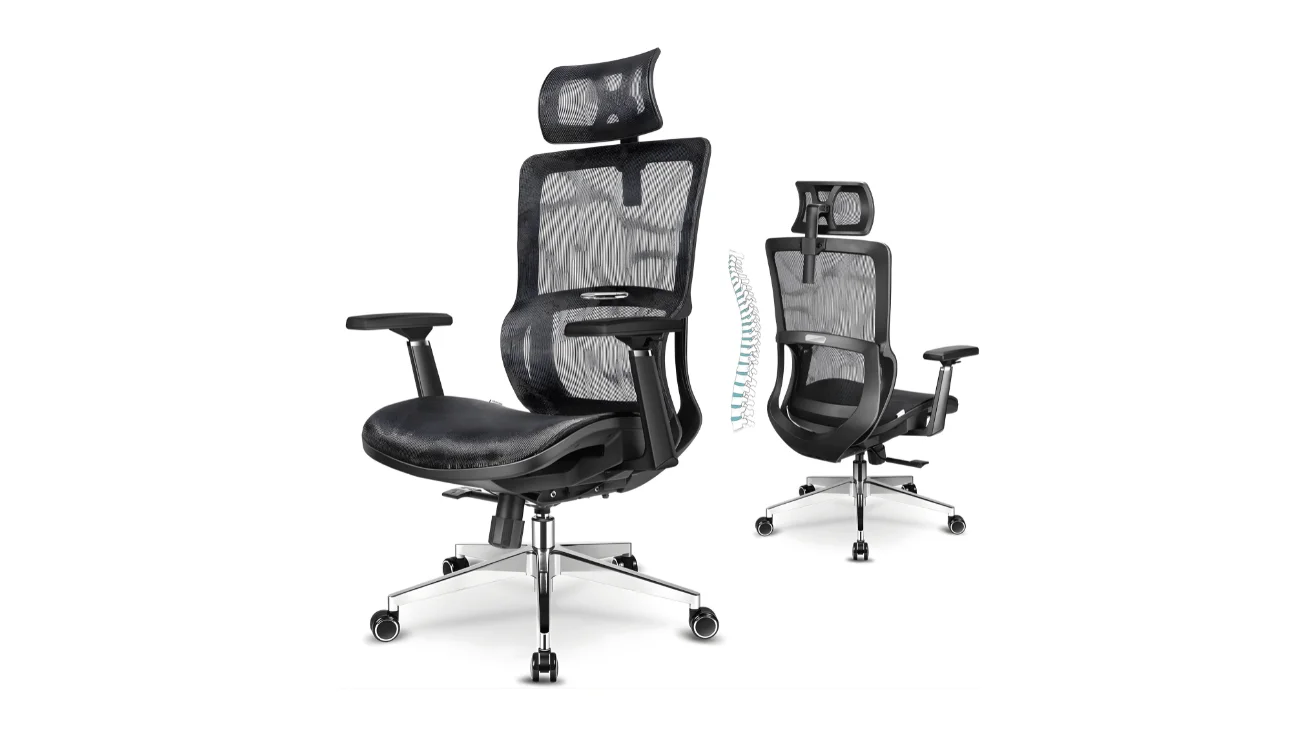
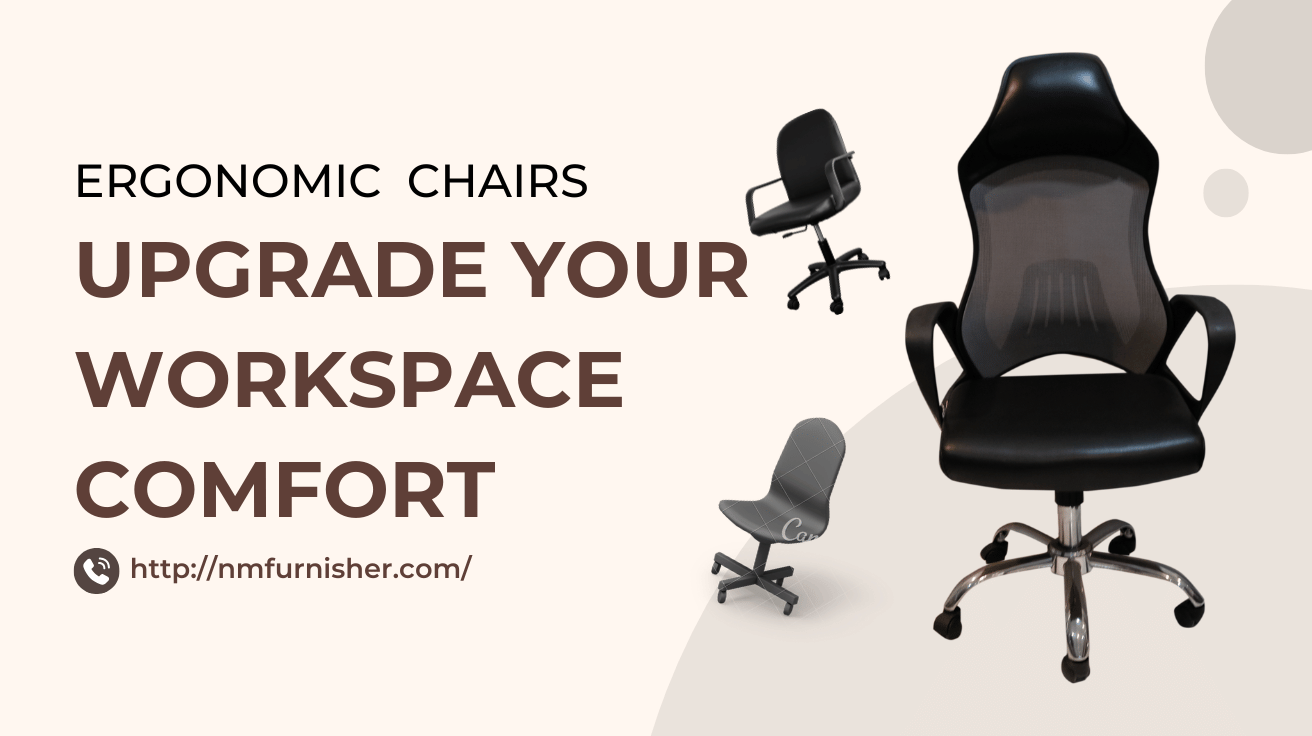
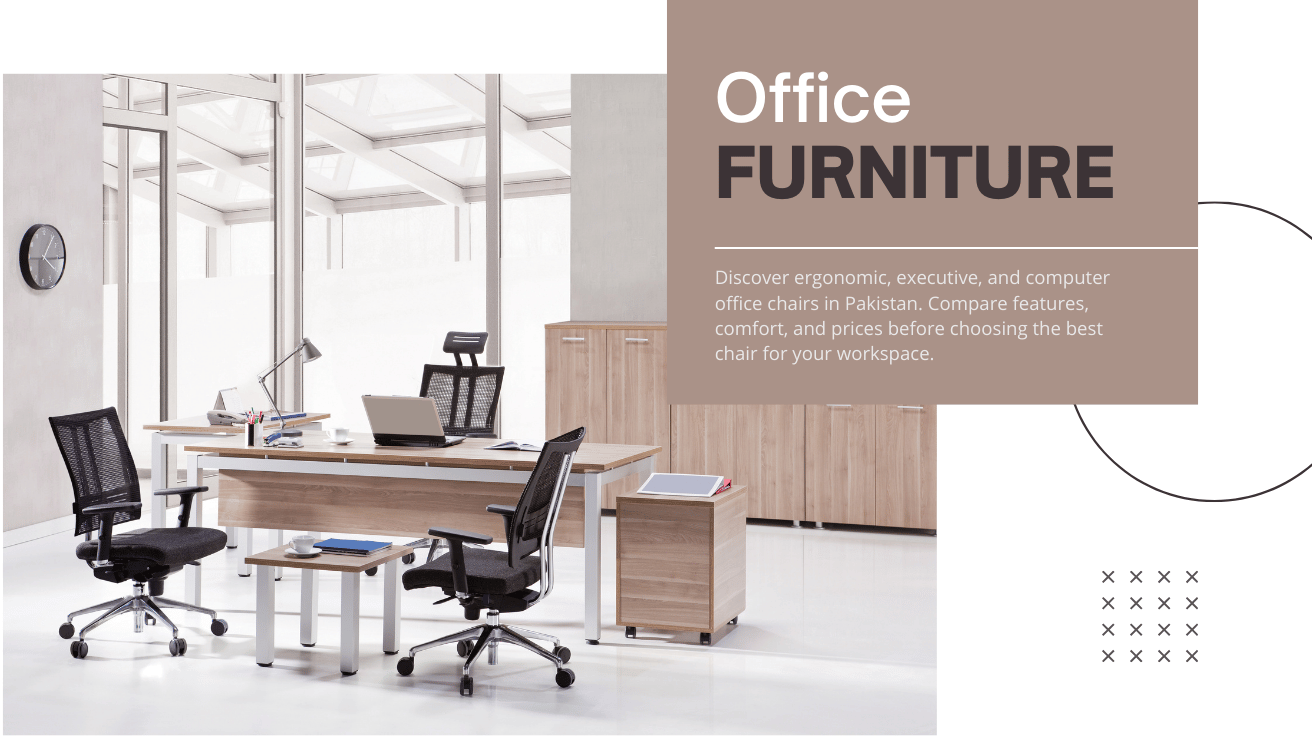
Office furniture has a direct impact on productivity, posture, and long-term health. An ergonomic chair with adjustable height, lumbar support, and armrests is essential for preventing back pain and fatigue during prolonged sitting. The seat depth and backrest angle should support the natural curve of the spine.
Desks must provide sufficient surface area for computers, documents, and accessories without feeling cluttered. Integrated drawers or cable management solutions help maintain a clean workspace. Filing cabinets and bookshelves allow for systematic organization of files and reference materials.
Investing in commercial-grade office furniture ensures that frames, mechanisms, and upholstery are designed for continuous daily use. Although such pieces may cost more initially, they offer greater durability and consistent performance in demanding work environments.

Online vs Local Furniture Markets in Pakistan
Benefits of Local Markets
Local furniture markets offer a level of physical verification that online platforms cannot fully replicate. Buyers can directly inspect construction quality, feel the thickness of wood panels, examine joints, and assess finishing details before committing to a purchase. Sitting on sofas allows you to evaluate foam density, seat depth, and back support, while opening drawers and cabinets reveals the quality of hardware and smoothness of operation.
Another major advantage of local markets is the ability to negotiate pricing. In many Pakistani markets, prices are flexible, especially when purchasing multiple items or paying in cash. This direct interaction with sellers can result in better value compared to fixed-price environments. Immediate availability is also important for buyers who need furniture quickly, as many items can be delivered within a short time frame.
However, local markets often provide limited after-sales protection. Formal warranties are rare, and return policies are usually informal or nonexistent. Buyers must therefore be extra vigilant about quality inspection, as once the transaction is completed, resolving issues can be difficult.

Benefits of Online Furniture Stores
Online furniture stores provide convenience and access to a broader range of designs, styles, and price points without requiring physical travel. Buyers can compare multiple options, review specifications, and evaluate customer feedback from their homes. This transparency helps narrow down choices more efficiently than visiting multiple physical locations.
Fixed pricing on online platforms eliminates bargaining stress and ensures consistency. Many established online retailers also offer structured return policies, installation services, and limited warranties, which provide additional peace of mind. For buyers in smaller cities or remote areas, online stores may be the only practical way to access modern designs and branded furniture.
The primary limitation of online shopping is the inability to physically assess comfort and material quality. Colors may appear different on screens, and build quality can only be judged through descriptions and reviews. Understanding these limitations helps set realistic expectations.
Hybrid Buying Approach
A hybrid approach combines the strengths of both local and online channels. Buyers can visit showrooms or markets to evaluate material quality, seating comfort, and craftsmanship standards, then use online platforms to compare prices, check alternative designs, or place orders.
This method allows you to verify credibility and quality through physical inspection while benefiting from online convenience and broader selection. It also reduces the risk of receiving products that differ significantly from expectations. By using both channels strategically, buyers can maximize choice, control costs, and increase the likelihood of a satisfactory purchase outcome.
How to Check Furniture Quality
Frame Construction
The long-term performance of any furniture piece depends primarily on the strength and stability of its internal frame. For sofas, beds, and upholstered chairs, the frame should ideally be constructed from kiln-dried hardwood, which has been dried under controlled conditions to reduce internal moisture. This process minimizes the risk of warping, cracking, and joint separation over time. High-quality plywood frames made from marine-grade or commercial-grade ply can also perform well when thick panels and proper bonding techniques are used.
A simple physical test can reveal a great deal about frame strength. Lift one corner of the furniture piece slightly off the ground and observe how the rest of the structure responds. A well-built frame should feel solid and stable rather than twisting or flexing. Excessive creaking or movement often indicates weak joints or low-density materials. Heavier furniture is not always superior, but an extremely lightweight frame usually signals cost-cutting in material selection.
Joinery and Hardware
The way individual components are joined together plays a crucial role in overall durability. Quality wooden furniture relies on traditional joinery methods such as mortise and tenon or dovetail joints, which mechanically interlock pieces of wood for long-lasting strength. Furniture assembled mainly with staples, nails, or excessive glue is far more likely to loosen and fail with regular use.
Hardware quality is equally important. Drawer slides should operate smoothly without sticking, and hinges should open and close silently while supporting the full weight of doors. Soft-close mechanisms, when available, indicate a higher level of manufacturing standard. Handles and knobs should feel solid and firmly attached rather than loose or hollow. Investing in furniture with good hardware significantly improves everyday usability and reduces the likelihood of early repairs.
Foam and Cushion Quality
Foam density directly influences both comfort and longevity in upholstered furniture. High-density foam provides firm support, maintains its shape, and resists sagging over time. Low-density foam may feel soft initially but typically compresses quickly, leading to uncomfortable seating within a short period.
Pressing a cushion firmly and observing how quickly it returns to its original shape is a practical way to assess quality. Cushions should rebound promptly without leaving deep impressions. Asking about the foam brand or grade provides additional assurance, as reputable manufacturers maintain consistent quality standards. Zippered cushion covers indicate thoughtful construction, allowing cushions to be removed for cleaning or foam replacement, which extends the usable life of the furniture.
Finishing and Polish
The finish applied to furniture serves both protective and aesthetic functions. Wooden surfaces should feel smooth and even, with no rough patches, bubbles, or visible brush marks. Consistency of color and sheen across all visible areas indicates careful application.
Quality manufacturers also apply finish to hidden surfaces such as the underside of tabletops and the back of cabinets to seal the wood against moisture absorption. For metal furniture, coatings should be uniform and free from chips or thin spots that could lead to rust. A well-executed finish not only enhances visual appeal but also creates a protective barrier that slows wear, staining, and environmental damage.
Price Range of Furniture in Pakistan
Budget Furniture Category
The budget category mainly consists of furniture manufactured from melamine boards, laminated chipboard, or lower-grade softwoods such as pine. These pieces are designed to provide basic functionality at the lowest possible cost, making them suitable for rental properties, student housing, and short-term living arrangements. Designs are usually simple, with minimal detailing, in order to keep production expenses low.
While budget furniture can meet immediate needs, it typically has a limited lifespan. Thinner boards, lightweight frames, and basic hardware mean these pieces are more susceptible to loosening joints, surface chipping, and general wear. Buyers choosing this category usually prioritize affordability and quick availability over long-term durability. Understanding these limitations helps set realistic expectations and prevents disappointment.
Mid Range Furniture Category
Mid-range furniture offers a practical balance between material quality, construction standards, and pricing. This segment often includes items made from MDF with high-quality veneers, commercial-grade plywood, acacia wood, or standard-grade Sheesham. Frames are stronger, hardware quality is noticeably better, and upholstery foam density is suitable for regular household use.
Design variety is much broader in this category, ranging from traditional styles to contemporary and transitional looks. Most Pakistani households find this range to be the most sensible choice because it delivers dependable performance without entering luxury pricing territory. Items in this category, when properly maintained, can provide many years of reliable service.
Price variations within this segment are influenced by factors such as wood thickness, type of veneer or laminate, upholstery fabric selection, and hardware quality. Imported drawer slides, hinges, and premium foam can raise the cost of an otherwise similar-looking piece. Understanding these variables allows buyers to judge whether a price difference is justified.
Premium Furniture Category
Premium furniture is defined by the use of high-grade solid woods such as Walnut, Teak, and top-quality Sheesham, combined with advanced craftsmanship and superior finishing techniques. Construction involves traditional joinery methods, thicker wood sections, and meticulous detailing that requires skilled labor.
Upholstery in this category often includes imported fabrics, genuine leather, and high-density foam with long-term shape retention. Many premium brands and workshops offer customization in dimensions, finishes, and fabrics, along with formal warranties or service guarantees. Buyers in this segment view furniture as a long-term investment rather than a disposable purchase.
Price differences between cities are also common in this category. The same item may cost less when sourced directly from manufacturing hubs compared to high-end showrooms in major urban centers, where showroom overheads and brand positioning add to the final price.
How to Buy Furniture in Pakistan from the Right Places
Manufacturing Cities
Certain cities in Pakistan have built strong reputations as furniture manufacturing centers due to decades of specialized craftsmanship and large-scale production. Chiniot is internationally recognized for its hand-carved Sheesham furniture and traditional woodworking techniques that are passed down through generations. Buyers seeking solid wood beds, cabinets, and ornamental pieces often find better quality and more customization options when sourcing from this region.
Gujrat is a major hub for sofa sets, beds, and contemporary wooden furniture produced at commercial scale. Many workshops in Gujrat focus on balancing quality and affordability, which makes it a popular choice for buyers looking for value-driven purchases. Peshawar is known for heavier, rustic furniture styles that often utilize thick timber and robust construction, making these pieces suitable for long-term use.
Buying directly from manufacturing cities can significantly reduce costs because it eliminates multiple layers of middlemen. However, buyers should be prepared to carefully inspect quality, verify materials, and clarify finishing standards, as product consistency can vary between workshops.
City Wise Furniture Markets
Large metropolitan areas in Pakistan host dedicated furniture markets where hundreds of retailers operate within concentrated zones. In Lahore, furniture clusters near Ferozepur Road and Main Boulevard Gulberg offer everything from luxury showroom collections to locally manufactured pieces. These markets allow buyers to compare designs, materials, and prices within a single visit.
Karachi features major furniture markets in areas such as Gharibabad and Nursery, catering to both residential and commercial buyers. These locations provide extensive variety, including office furniture, modular storage, and customized solutions. Islamabad and Rawalpindi have furniture concentrations along Murree Road and Golra Road, where buyers can find a mix of modern and traditional designs.
Shopping in consolidated markets helps buyers understand prevailing price ranges and quality standards. It also creates bargaining leverage, as similar items are available from multiple sellers, encouraging competitive pricing.
Brand Showrooms and Retailers
Established furniture brands offer a more structured and predictable buying experience. These showrooms typically maintain consistent quality standards, provide clear product specifications, and offer after-sales services such as delivery, installation, and limited warranties. This level of reliability is often absent in informal markets.
Branded retailers focus heavily on modern and contemporary designs, standardized sizing, and uniform finishing. Although prices may be higher than those in local markets, the added cost reflects quality control, customer support, and convenience. For buyers who prefer a hassle-free purchasing process and value assurance, branded showrooms are often the safest option.
A practical strategy is to visit brand showrooms to understand current design trends and quality benchmarks, then compare similar offerings in local markets or manufacturing hubs. This approach helps buyers recognize fair pricing and avoid overpaying.
Custom Made vs Ready Made Furniture
When Custom Furniture is Better
Custom-made furniture becomes the best option when standard sizes and generic designs cannot properly accommodate your space or functional requirements. Homes with awkward layouts, narrow alcoves, sloped ceilings, or limited wall widths often benefit greatly from customized solutions that utilize every inch efficiently. Customization also allows you to select the exact wood type, upholstery fabric, finish color, and hardware style, ensuring the final piece integrates seamlessly with your existing interior design.
Another advantage of custom furniture is control over construction quality. You can specify frame materials, foam density, and joinery methods rather than relying on factory defaults. This level of control is especially valuable for high-use items such as sofas, beds, and wardrobes. Although custom manufacturing requires patience and careful communication with the craftsman, the end result is a personalized piece that maximizes both functionality and aesthetic coherence.
When Ready Made Furniture is Better
Ready-made furniture is the most practical choice when speed, convenience, and certainty are top priorities. Buyers can see, touch, and test the exact item before purchasing, which eliminates the risk of miscommunication or unexpected design outcomes. This option works well for standard-sized rooms where conventional dimensions are sufficient.
Mass-produced furniture is often more affordable because manufacturing occurs in bulk, reducing per-unit cost. For items such as dining chairs, study tables, office desks, and side tables, ready-made options usually offer adequate quality at reasonable prices. Ready-made furniture also simplifies the buying process by removing waiting periods and design approvals, making it ideal for quick home setups or urgent requirements.
Common Mistakes to Avoid When Buying Furniture
One of the most common mistakes buyers make is failing to measure doorways, staircases, and elevators before placing an order, resulting in furniture that cannot physically enter the home. Another frequent error is prioritizing appearance over comfort. A visually impressive chair or sofa that lacks proper support quickly becomes a source of discomfort.
Impulse buying without researching materials and construction standards often leads to purchasing low-quality furniture that deteriorates prematurely. Many buyers also overlook maintenance requirements, selecting light-colored fabrics for high-traffic areas where stains and wear are inevitable. Ignoring warranty terms and return policies is another costly oversight. Avoiding these mistakes leads to a smoother buying process and far greater long-term satisfaction.
Conclusion
Understanding how to buy furniture in Pakistan transforms what can feel like a complicated and uncertain task into a structured and manageable process. When you begin by clearly identifying your functional needs, planning your space properly, and setting a realistic budget, every subsequent decision becomes easier and more objective.
Recognizing the strengths and limitations of different materials, construction methods, and market options allows you to evaluate furniture based on long-term performance rather than surface appearance alone. Whether you are drawn to the heritage craftsmanship of Chinioti solid wood furniture or the clean simplicity of modern engineered wood designs, the most important factor is selecting pieces that suit your lifestyle, usage patterns, and maintenance capacity.
Taking the time to research, measure, inspect quality, and compare sources ensures that the furniture you bring into your home or office delivers lasting comfort, reliable functionality, and visual harmony. With a methodical approach and informed mindset, you can invest in furniture that serves you well for many years rather than becoming a costly replacement cycle.
One comment
Pingback:
Office Chairs in Pakistan – Types, Prices & Buying Guide - N.M Furnishers