

 18Mar
18Mar
The modern workplace in Pakistan is undergoing a clear transformation as organizations move away from purely utilitarian office setups toward environments designed to support performance, comfort, and professional identity. Offices are no longer defined by uniform metal desks and rigid seating that prioritize function at the expense of people. Businesses across sectors now recognize that the physical workspace directly influences productivity, employee well-being, and how a brand is perceived by clients and partners. This shift has brought sustained attention to the office furniture industry in Pakistan, positioning it as a specialized market that serves diverse requirements ranging from large corporate headquarters to compact home-based workspaces.
Understanding office furniture in Pakistan involves more than identifying available products. It requires insight into materials, structural quality, manufacturing practices, and evolving workplace expectations. Decision makers today are not simply purchasing tables and chairs to fill a space. They are evaluating ergonomic performance, spatial efficiency, durability, and how furniture aligns with organizational culture and long-term operational needs. From executive environments to shared work areas, furniture choices are increasingly treated as strategic investments rather than routine procurement items.
This guide is designed to provide a clear and practical overview of the office furniture landscape in Pakistan. It addresses the realities buyers face when navigating a fragmented market that includes local manufacturers, imported options, and custom solutions. Businesses looking to explore high-quality furniture in Pakistan for professional workspaces can also review curated collections from trusted furniture brands before finalizing their office setup. By focusing on real-world considerations such as functionality, longevity, and value, the content equips business owners and procurement professionals with the knowledge needed to make confident, informed decisions that support both immediate requirements and future growth.
What is Office Furniture and Why It Matters
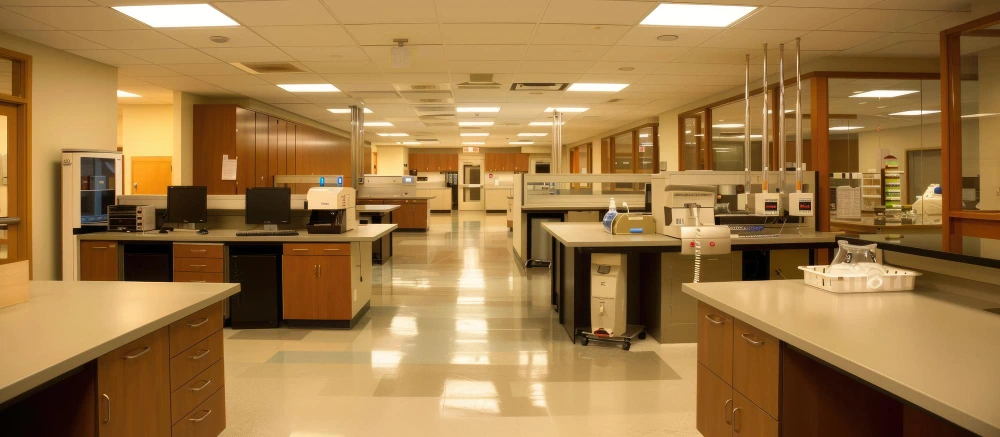
Office furniture refers to the functional elements within a professional workspace that support daily activities such as working, collaboration, and document storage. In the Pakistani market, this category covers a broad spectrum of products designed to meet operational requirements across different industries. It includes executive desks that establish authority, task-oriented workstations that support focused productivity, and storage units that maintain organization within active office environments. These components are not selected in isolation. They work together to shape how efficiently an office functions and how comfortably employees perform their roles. A wide range of modern office furniture solutions in Pakistan can be explored at Workspace Pakistan (https://workspace.com.pk/).
The importance of selecting appropriate office furniture extends well beyond visual appeal. Furniture directly affects employee health, energy levels, and concentration throughout the workday. Chairs that lack proper lumbar support or adjustability contribute to physical strain, leading to discomfort, fatigue, and long-term musculoskeletal issues. Over time, these problems can result in increased absenteeism and reduced work output. Ergonomically designed furniture, by contrast, supports natural posture, minimizes stress on the body, and allows employees to remain productive for longer periods without physical discomfort. According to this Office Ergonomics Complete Guide, properly designed workstations significantly reduce fatigue and posture-related problems (https://www.viewsonic.com/library/business/office-ergonomics-the-complete-guide/).
Office furniture also plays a critical role in communicating a company’s values and professional standards. The moment a client or partner enters an office, the layout, quality, and coherence of the furniture send an immediate message about the organization’s credibility and attention to detail. In Pakistan’s relationship-driven business culture, this visual impression carries significant weight. Well-chosen furniture reinforces trust, signals stability, and reflects a commitment to quality. Viewed through this lens, investing in quality office furniture is not a routine expense but a strategic decision that shapes employee satisfaction, operational efficiency, and long-term brand perception.
Types of Office Furniture in Pakistan
The market for office furniture in Pakistan has expanded significantly as workplaces have become more structured, diverse, and function driven. Businesses no longer purchase furniture as a single category but evaluate it based on hierarchy, function, and space utilization. Each role within an organization places different physical and operational demands on furniture, making it essential to understand how various furniture types serve specific purposes. This clarity helps buyers avoid mismatched purchases that compromise comfort, efficiency, or long-term durability.
Office furniture categories in Pakistan are shaped by how people work, how teams interact, and how space is managed. From individual seating that supports long working hours to modular systems that allow large teams to operate efficiently, each category plays a defined role in daily operations. Recognizing these distinctions enables organizations to align furniture choices with workflow requirements, employee expectations, and spatial limitations rather than relying on generic solutions. When furniture types are selected with purpose, the result is a workspace that feels organized, functional, and capable of supporting growth without constant replacement or adjustment.
Office Chairs
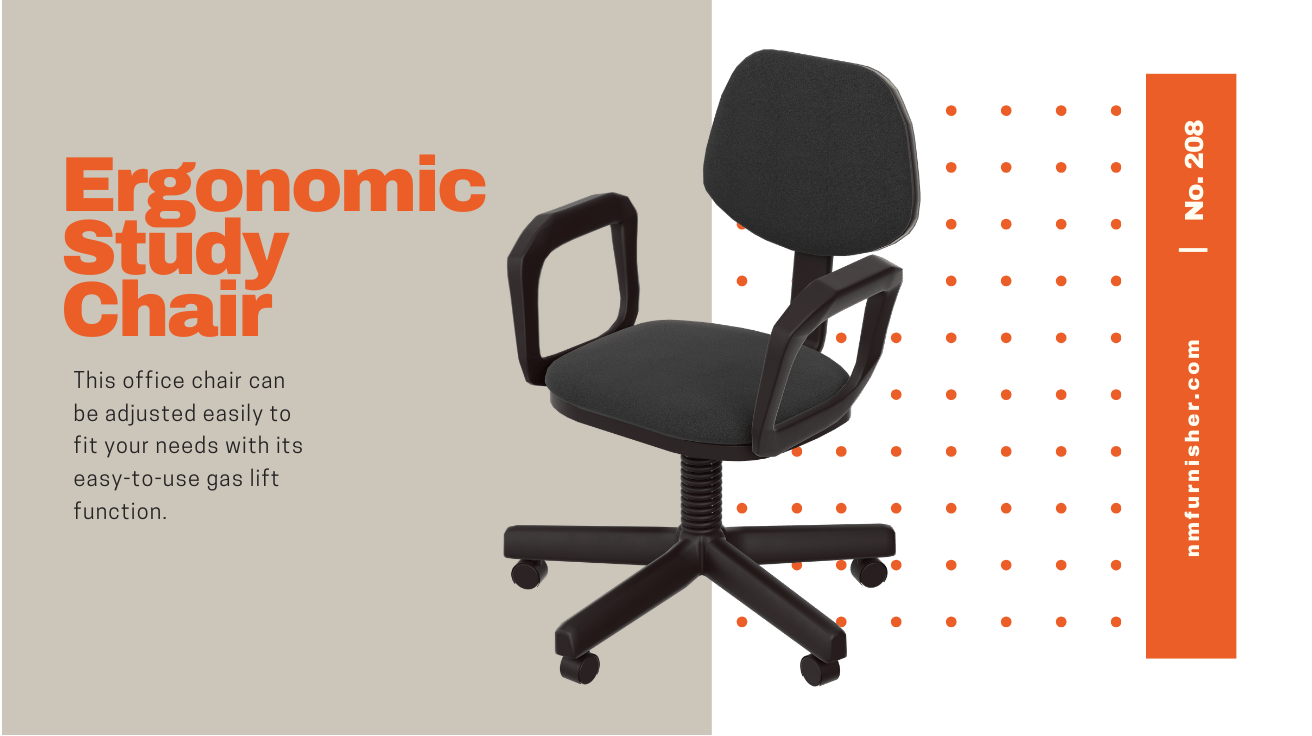
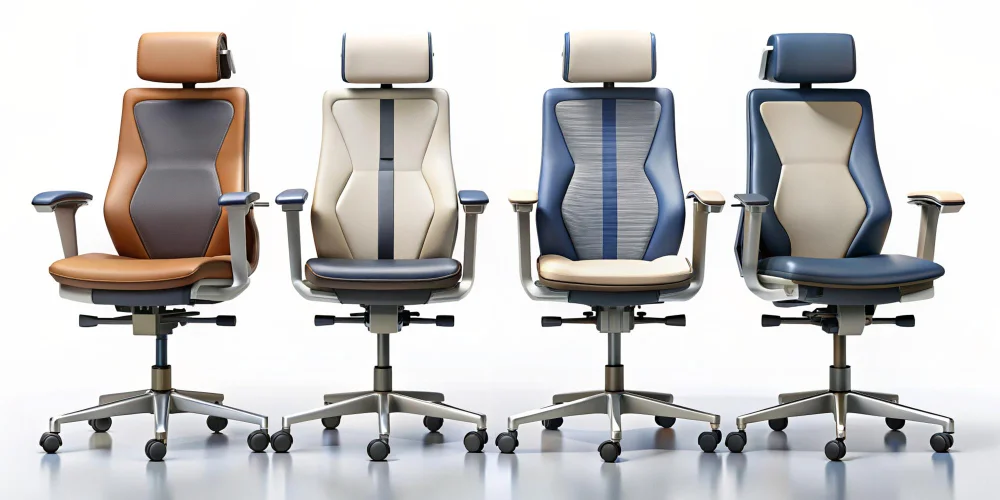
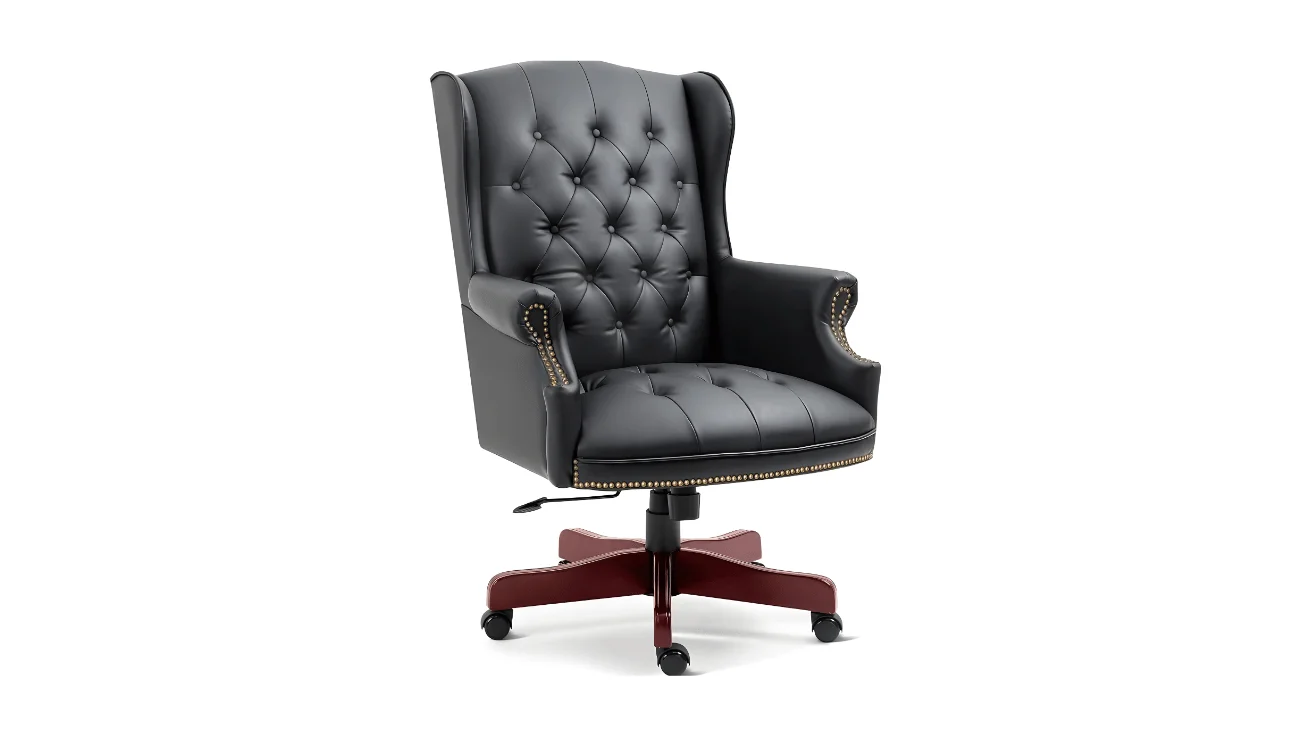
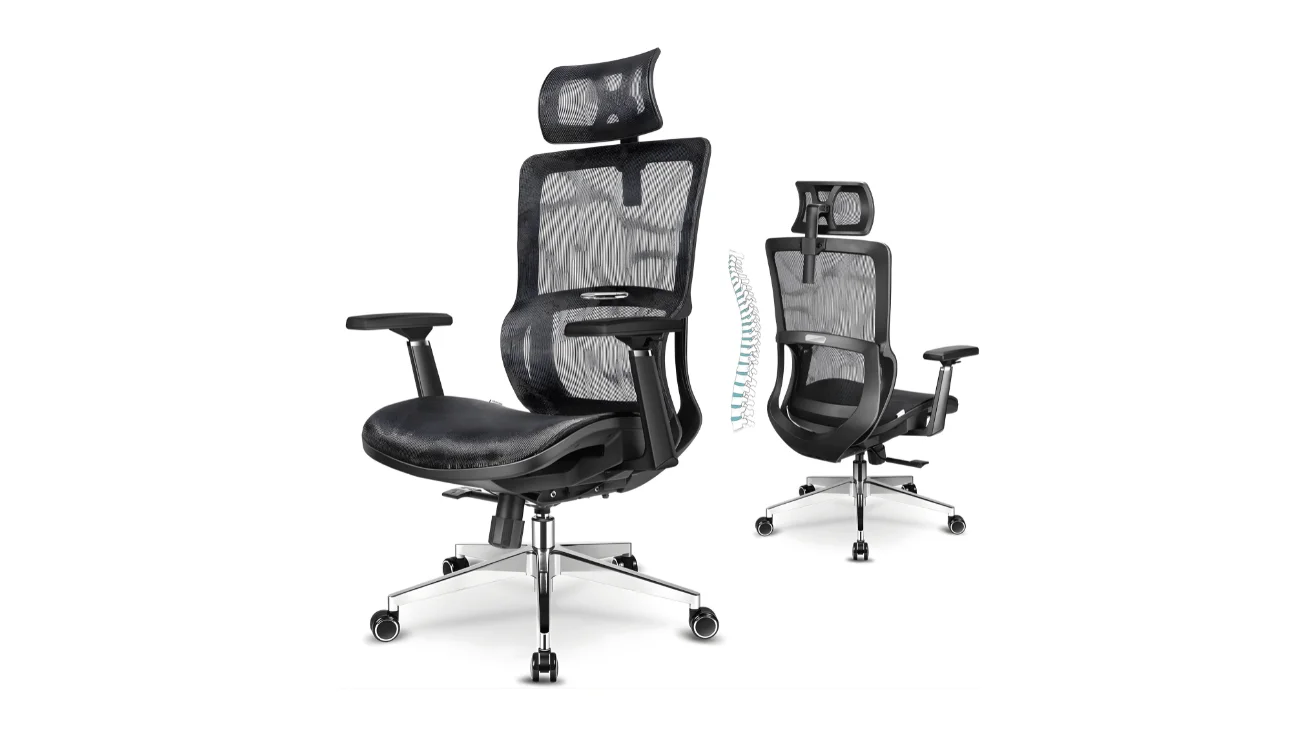
Office chairs are the most critical component of any workspace because employees spend a significant portion of their working hours seated. In Pakistan, the office seating market covers a wide range of options designed to suit different roles, budgets, and usage intensity. Executive chairs are positioned at the premium end of this spectrum. These chairs are typically built with high backs, refined upholstery such as leather or high-quality leatherette, and advanced ergonomic mechanisms. Features like synchronized tilt control, adjustable lumbar support, and reinforced bases are intended to deliver sustained comfort while also projecting authority within senior offices.
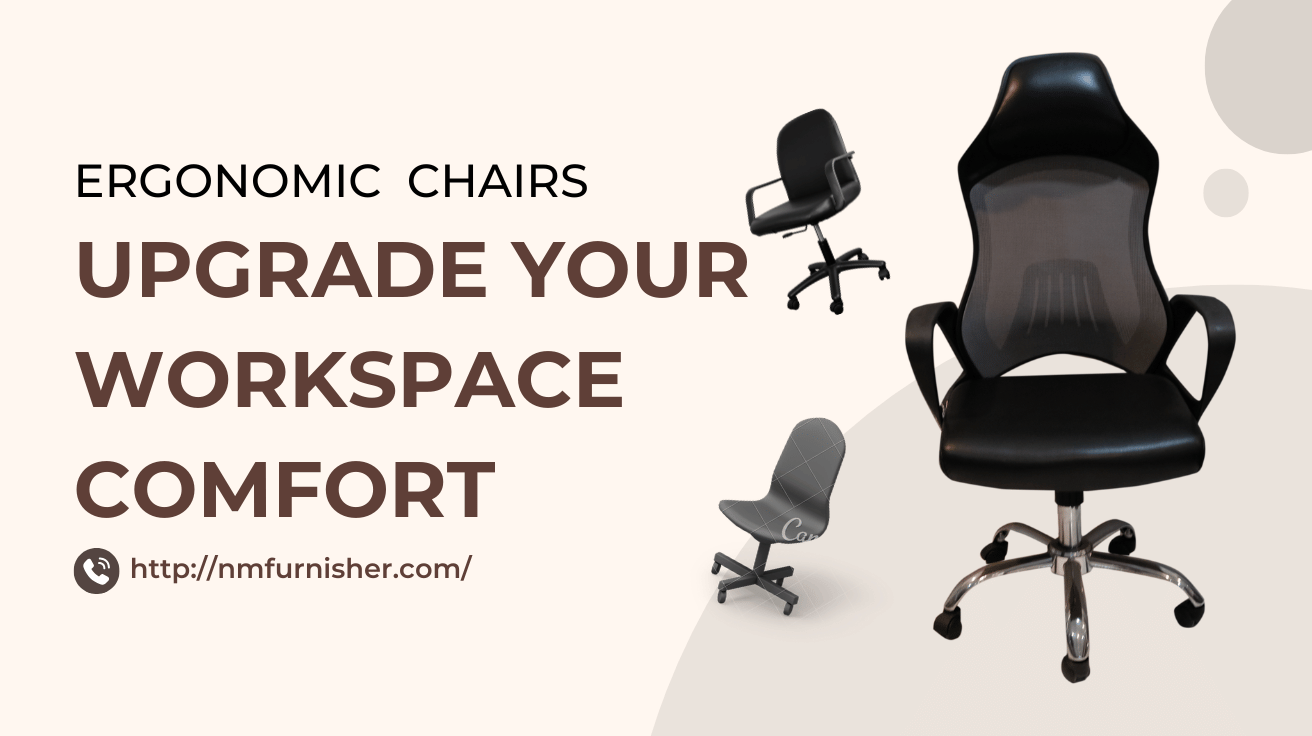
Staff or operator chairs serve a different purpose, focusing on practicality and long-term usability in shared or high-traffic work environments. These chairs commonly feature mesh backs to improve airflow, which is particularly important in Pakistan’s warm climate, along with adjustable height systems to accommodate different users. Visitor chairs, often designed as cantilever or fixed-leg models, provide short-term seating in reception areas, meeting rooms, and office cabins. While these chairs are not intended for prolonged use, stability and comfort remain essential considerations.
The broader trend within Pakistan’s office furniture market is a growing emphasis on ergonomics across all price ranges. Adjustable armrests, headrests, and seat depth are no longer limited to premium seating and are increasingly available in mid-range models. Buyers should assess chairs based on the quality of internal mechanisms, foam density, and fabric or mesh durability rather than surface appearance alone. These elements directly influence how well a chair maintains support over time and how effectively it withstands daily wear, making them decisive factors in long-term seating performance.
Office Tables and Desks
The desk serves as the primary workstation for most professionals, making it one of the most heavily used pieces of office furniture. In Pakistan, desks are available in a wide range of styles and constructions to suit different roles and office layouts. Executive desks are typically substantial in scale and design, often manufactured using solid wood or high-quality veneer finishes. These desks usually incorporate built-in storage, side units, and structured cable management to keep work surfaces organized while reinforcing a sense of authority and permanence within senior offices.
For general staff and operational teams, desk designs tend to prioritize efficiency, durability, and space optimization. Laminated particle board and MDF with protective edging are commonly used materials, offering a balance between cost control and functional performance. These desks are designed to support everyday tasks without occupying excessive floor space, which is particularly important in densely planned offices. L-shaped configurations are frequently chosen for managerial roles as they provide additional surface area for multiple screens, documents, and devices without requiring a larger room footprint.
Health and flexibility are also influencing desk choices in Pakistan’s evolving workplaces. Standing desks and height-adjustable workstations are increasingly adopted by organizations that recognize the long-term benefits of movement during the workday. Regardless of style or configuration, buyers should focus on practical factors such as surface resistance to scratches, structural stability under load, and the effectiveness of cable management features. These elements determine how well a desk performs over time and how easily it supports modern, technology-driven work environments.
Workstations and Cubicles
Rising commercial real estate costs in cities such as Karachi, Lahore, and Islamabad have made efficient space utilization a core priority for businesses. Workstations and cubicles address this challenge by allowing organizations to accommodate larger teams within a controlled footprint without compromising functionality. These systems are designed to be modular, enabling offices to expand, downsize, or reorganize departments with minimal operational disruption as business needs evolve.
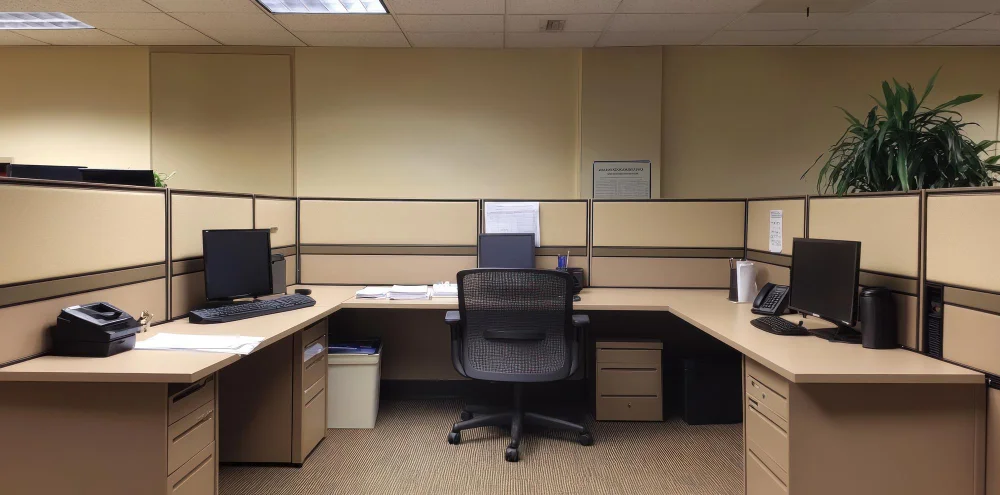
In Pakistan, open-plan layouts commonly use linear workstations where employees sit side by side or face each other with low partitions. This configuration supports communication and teamwork while still offering a sense of individual workspace. Cubicles with higher partitions are preferred in departments that require concentration and confidentiality, including call centers, finance teams, and administrative units. Partition materials such as fabric, glass, and laminate are selected not only for aesthetics but also for their ability to provide acoustic control and visual separation.
A key advantage of modern workstation systems is their ability to integrate technology directly into the furniture. Power outlets, data ports, and cable routing solutions are often built into panels and desktops, reducing surface clutter and improving accessibility. When selecting workstations and cubicles, buyers should evaluate the quality of connectors, panels, and supporting frames, as these components determine structural stability and long-term performance. Ease of assembly and reconfiguration is equally important, particularly for organizations that anticipate growth or frequent layout changes.

Storage and Filing Furniture
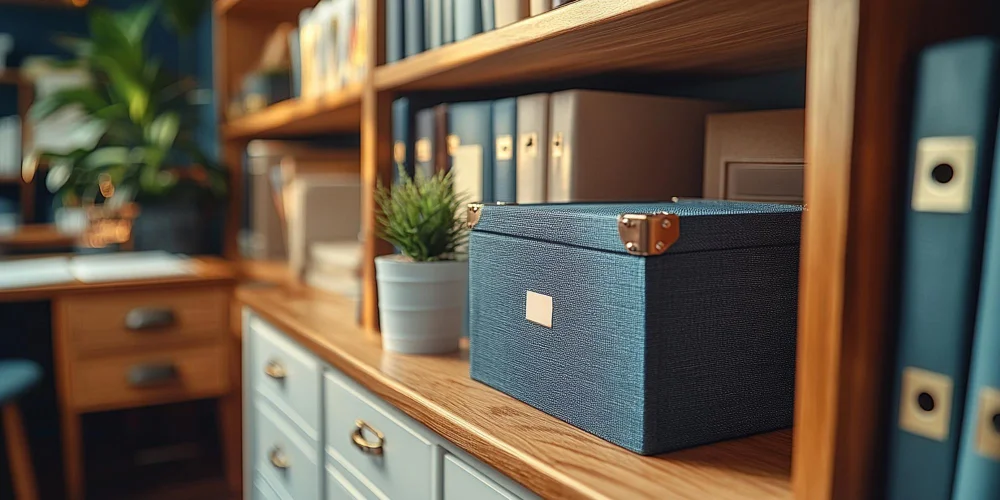
Efficient storage is essential to maintaining an organized and functional office environment. Even as digital tools become more common in Pakistan, physical documentation remains a necessity due to regulatory, legal, and administrative requirements. Storage and filing furniture plays a critical role in managing records, office supplies, and personal items without disrupting daily workflows. When storage is poorly planned, clutter accumulates quickly, reducing efficiency and creating a disorganized work atmosphere.
Filing cabinets remain a core component of office storage, with vertical and lateral designs used to organize documents systematically. These units are most commonly manufactured from steel to ensure durability, load stability, and security. Locking mechanisms are particularly important for departments that handle sensitive or confidential information, making storage furniture a functional safeguard as well as an organizational tool. The reliability of drawer tracks and the structural strength of cabinet frames directly affect usability over time, especially in high-volume offices.
Modern offices in Pakistan now rely on a broader range of storage solutions to meet diverse needs. Mobile pedestals placed beneath desks provide employees with accessible personal storage while conserving floor space. Credenzas are frequently used in executive offices and conference rooms, serving both as concealed storage and as presentation surfaces that enhance the overall aesthetic. Full-height cabinets and modular storage walls are increasingly used to divide spaces while maximizing vertical storage capacity. Buyers should assess storage furniture based on shelf load limits, drawer smoothness, locking quality, and material consistency with surrounding furniture to ensure long-term functionality and visual cohesion.
Conference Room Furniture
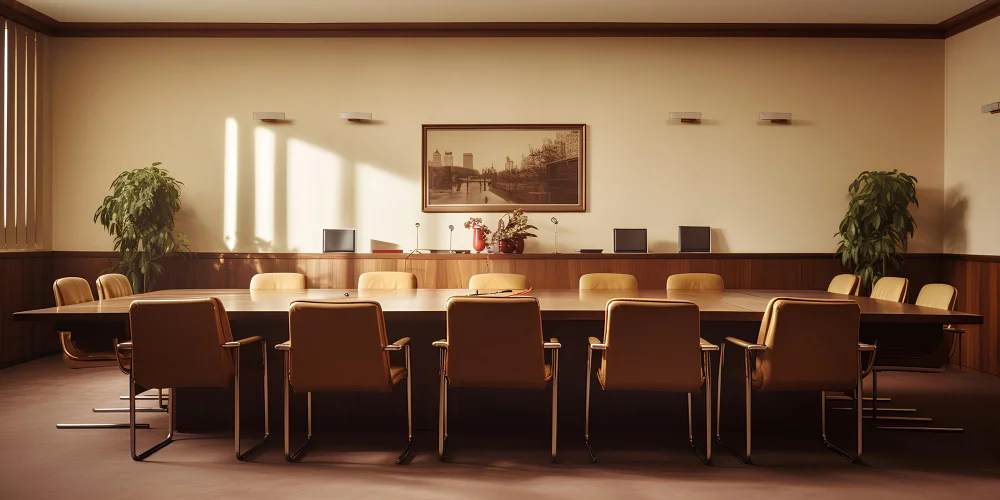
The conference room functions as the central space for discussion, planning, and decision-making, making furniture selection in this area especially important. The conference table serves as the focal point of the room and must support both collaboration and technology use. In Pakistan, conference tables are available in multiple shapes, including rectangular, oval, and boat-shaped designs, allowing organizations to choose configurations that suit their room size and meeting style. Table dimensions are selected based on seating capacity, ranging from small meeting rooms to large boardrooms accommodating senior leadership teams. Materials commonly reflect the quality of executive furniture, using durable laminates or high-grade wood finishes supported by solid, stable bases.
Seating in conference rooms plays a significant role in maintaining attention and comfort during extended meetings. Conference chairs are generally designed to provide firm support while avoiding excessive adjustability, as these chairs are intended for periodic use rather than full workdays. Upholstery quality, cushioning, and back support influence how comfortably participants can remain engaged during discussions. Chairs must also complement the table design to create a cohesive and professional appearance.
Technology integration has become an essential feature of modern conference furniture in Pakistan. Many conference tables now include built-in connectivity solutions such as power access points, HDMI ports, and USB connections to support presentations and virtual meetings. Effective cable routing prevents surface clutter and reduces setup time during meetings. The overall design and finish of conference room furniture directly influence how clients and partners perceive an organization, making consistency, material quality, and attention to detail critical factors when selecting furniture for this space.
Office Furniture for Different Types of Offices
Office furniture requirements vary significantly depending on the size, industry, and working style of an organization. A uniform approach to furnishing rarely delivers optimal results because different office environments place distinct demands on space, durability, and functionality. Understanding how furniture needs change across office types allows businesses to create workspaces that support their operational goals rather than constrain them.
Each office setting operates under unique conditions. Large organizations prioritize standardization and long-term durability, while smaller businesses often need flexibility and cost control. Home offices must balance professional function with residential aesthetics, and shared workspaces require furniture that can withstand continuous use by multiple users. Recognizing these differences is essential for selecting furniture that aligns with daily workflows, employee expectations, and future growth plans. When furniture is chosen with a clear understanding of office type, it becomes a supportive asset rather than a limiting factor in workplace performance.
Corporate Offices
Corporate offices in Pakistan typically belong to well-established organizations with defined hierarchies, formal workflows, and large employee bases. Furniture selection in these environments is driven by durability, consistency, and alignment with corporate identity. Large organizations usually procure furniture in bulk, which makes uniformity in design, finish, and color schemes essential across departments and multiple locations. The furniture must be capable of withstanding intensive daily use over extended periods without compromising structural integrity or appearance.
These offices commonly feature a combination of private cabins for senior management and open-plan workstations for operational teams. Reception areas receive particular attention, as they form the first physical impression of the organization. High-quality reception desks and comfortable seating are selected to convey professionalism, stability, and credibility to visitors. Within work areas, ergonomic considerations are prioritized to reduce health risks, support long working hours, and maintain productivity across large teams.
Corporate buyers in Pakistan typically approach furniture procurement through structured processes. Detailed specifications, material standards, and compliance requirements are evaluated before purchase. Long-term warranties and reliable after-sales support are critical factors, as furniture is treated as a long-term asset rather than a short-term expense. Quality assurance checks are often aligned with international safety and durability standards to ensure that furniture investments deliver consistent performance throughout their lifecycle.
Small Businesses and Startups
Small businesses and startups in Pakistan operate with a distinct set of priorities shaped by limited budgets, rapid growth potential, and evolving team structures. Furniture selection in these environments must strike a balance between affordability and functionality while supporting a dynamic and adaptable workspace. Flexibility is especially important, as startups often expand or reorganize teams quickly. Lightweight, multi-purpose, and easily movable furniture allows these organizations to adjust layouts without incurring frequent replacement costs.
The visual style of startup offices typically reflects modern, industrial, or minimalist design preferences. These spaces often aim to feel energetic and collaborative, using furniture to reinforce an open and creative culture. While unconventional elements may be introduced to encourage informal interaction, practical considerations remain central to purchasing decisions. Cost control drives buyers to seek solutions that deliver acceptable durability and comfort without the premium pricing associated with large corporate brands.
Ready-made furniture is commonly favored by startups due to faster availability and predictable costs. Custom solutions are usually avoided unless there is a specific functional requirement, as longer lead times can delay operations. The primary objective is to create an environment that supports teamwork, communication, and innovation while remaining financially sustainable. When furniture is chosen with adaptability in mind, it becomes a practical tool that grows alongside the business rather than a constraint on its development.
Home Offices
The growth of remote and hybrid work has significantly increased demand for home office furniture in Pakistan. Unlike traditional corporate settings, home offices must integrate seamlessly with residential interiors while still providing a functional and productive work environment. Space limitations are often the primary challenge, particularly in urban homes and apartments. This has driven demand for compact desks, corner workstations, and foldable or wall-mounted tables that can be stored or repurposed when work hours end.
Visual harmony is especially important in home offices, as furniture must complement existing interior decor rather than dominate the space. Despite this emphasis on aesthetics, ergonomic support remains essential. Using dining chairs or sofas as work seating often leads to posture-related issues and long-term discomfort. Home office buyers therefore seek chairs that provide adequate lumbar and back support while maintaining a residential appearance that feels less industrial and more refined.
Storage solutions in home offices must be efficient without adding visual clutter. Discreet cabinets, under-desk pedestals, and shelving units that blend with the room’s design are commonly preferred. In response, the Pakistani market has introduced furniture ranges specifically tailored for home-based professionals, offering a balance of style, functionality, and compact proportions. Budget options are available for students and entry-level remote workers, while premium setups cater to executives who require long working hours and higher levels of comfort within a home setting.
Co Working Spaces
Co-working spaces have become a prominent part of the commercial landscape in major Pakistani cities, offering flexible work environments for freelancers, startups, and distributed teams. Furniture selection in these spaces is driven by usage intensity rather than individual ownership. Every piece must withstand continuous daily use by different users while maintaining comfort and visual appeal. Durability is therefore a primary requirement, as furniture in co-working environments experiences significantly higher wear compared to traditional offices.
These spaces typically incorporate a combination of shared desks, dedicated workstations, and enclosed private cabins to accommodate varied working styles. Furniture design often reflects a contemporary and energetic aesthetic aimed at attracting a younger, creative audience. Alongside formal work areas, lounge zones with sofas and coffee tables play an important role by supporting informal meetings, networking, and short work sessions. Power accessibility is essential, making desks and tables with integrated charging points and cable management a standard expectation rather than an added feature.
For co-working operators, the challenge lies in balancing appearance with resilience. Furniture must look premium and inviting to attract members while being structurally strong enough to endure constant use by multiple individuals. Materials that are easy to clean and maintain are preferred to preserve hygiene and appearance in high-traffic areas. When selected correctly, furniture in co-working spaces becomes a foundational asset that supports flexibility, collaboration, and long-term operational sustainability.
Office Furniture Price in Pakistan
Pricing for office furniture in Pakistan varies widely due to differences in materials, manufacturing origin, construction quality, and brand positioning. Buyers who understand how these factors influence cost are better equipped to set realistic budgets and evaluate quotations objectively. Price alone rarely reflects true value, as furniture performance over time depends on durability, comfort, and resistance to daily wear rather than initial affordability.
Local manufacturing dominates the entry-level and mid-range segments of the market. Basic operator chairs produced locally are available at relatively low prices, making them common in small offices and support departments. Mid-range ergonomic chairs assembled locally using imported components are positioned higher due to improved mechanisms, better foam density, and enhanced adjustability. Desks made from laminated particle board remain the most economical option and are widely used for junior staff and operational roles. As material quality improves, particularly with the use of moisture-resistant MDF, premium laminates, or solid wood structures, pricing increases accordingly to reflect longer service life and improved finish quality.
Imported office furniture occupies the premium end of the Pakistani market. Products sourced from China, Malaysia, and European manufacturers often feature advanced ergonomics, refined finishes, and high-grade hardware. Internationally recognized ergonomic chair brands command significantly higher prices compared to local alternatives, largely due to design standards, warranty coverage, and import-related costs. Exchange rate volatility and import duties directly affect final pricing, making imported furniture more sensitive to market fluctuations.
Custom office furniture follows a different pricing model. While bespoke manufacturing can carry higher upfront costs due to labor intensity and design customization, it delivers value through precise fit, tailored functionality, and material choice. For corporate buyers, bulk procurement often results in volume-based discounts that reduce per-unit pricing. Evaluating office furniture costs should always include lifecycle considerations. Furniture that fails prematurely leads to replacement expenses and operational disruption, making low initial prices misleading. Comparing detailed specifications across vendors and requesting transparent quotations helps buyers avoid inconsistencies, particularly in unorganized market segments.
Office Furniture in Major Cities of Pakistan
The availability, variety, and specialization of office furniture differ noticeably across Pakistan’s major commercial centers. Each city has developed its own furniture ecosystem shaped by local manufacturing capabilities, business density, and buyer expectations. Understanding these regional differences helps buyers identify where to source furniture that best matches their budget, quality requirements, and design preferences.
Office Furniture in Karachi
Karachi, as Pakistan’s industrial and commercial capital, hosts the largest and most diverse office furniture market in the country. The city supports a wide network of large-scale manufacturers, mid-sized workshops, importers, and retailers. Commercial areas such as Aram Bagh and Nursery are well known for their dense concentration of office furniture showrooms, offering options that range from economical locally produced pieces to premium executive furniture systems. This scale gives buyers access to extensive design choices across nearly every price bracket.
The presence of a major seaport significantly influences Karachi’s furniture market. Imported furniture and raw materials are more readily available here, often at more competitive prices than in upcountry cities. This accessibility supports strong demand for standardized office systems among banks, multinational corporations, and large local enterprises headquartered in the city. At the same time, Karachi’s extensive small and medium business sector sustains a high demand for cost-effective locally manufactured furniture. Intense competition among suppliers benefits buyers through greater pricing flexibility, faster delivery timelines, and improved after-sales support.
Office Furniture in Lahore
Lahore’s office furniture market is strongly influenced by the city’s long-standing tradition of woodworking and craftsmanship. This heritage is reflected in the quality and detailing of locally manufactured furniture, particularly in executive desks, cabinets, and conference tables. While modern modular systems and ergonomic seating are widely available, Lahore continues to maintain a strong niche for classic wooden furniture favored by legal firms, consultancy practices, and traditional business houses.
Well-established markets such as McLeod Road and Ferozepur Road serve as key hubs for office furniture retail and wholesale activity. Lahore’s growing number of corporate offices, IT parks, and commercial developments has increased demand for contemporary workstations and performance-oriented seating. The manufacturing base in and around the city supplies furniture across Punjab, combining traditional joinery skills with modern production techniques. Buyers in Lahore benefit from access to durable furniture that balances aesthetic refinement with structural reliability.
Office Furniture in Islamabad
Islamabad’s office furniture market reflects the city’s role as the federal capital and a center for diplomatic and institutional activity. Demand here prioritizes professional presentation, quality consistency, and compliance with formal procurement standards. The market is more selective, focusing less on volume and more on well-finished, reliable furniture suited for government offices, embassies, and headquarters of national and international organizations.
Retail showrooms in areas such as Blue Area and I-8 cater to a clientele that values clean design, ergonomic performance, and premium materials. Proximity to Rawalpindi provides access to manufacturing facilities capable of producing both custom and standardized furniture solutions. Islamabad sees strong demand for imported products and premium local brands that meet international specifications. While entry-level options are less prevalent than in Karachi, buyers benefit from a well-curated selection of mid-range and high-end office furniture that emphasizes durability, functionality, and understated design.
How to Choose the Right Office Furniture
Choosing the right office furniture requires a structured decision-making process rather than relying on visual appeal alone. Furniture must support how a space functions on a daily basis, how people move within it, and how long the investment is expected to last. A thoughtful approach considers spatial planning, task requirements, and financial priorities together, ensuring that furniture enhances productivity instead of creating limitations.
Accurate space planning is the foundation of effective furniture selection. Buyers should begin by measuring usable floor area and evaluating movement flow between workstations, storage zones, and shared spaces. Oversized desks and excessive furniture can make an office feel congested, reducing comfort and efficiency. Layout planning tools or professional design support from experienced vendors can help visualize arrangements before purchase. Power access, data points, and natural or artificial lighting must be integrated into the layout so that workstations remain practical and free from awkward cable routing or poorly lit areas.
Functionality assessment follows closely behind spatial planning. Different roles demand different furniture configurations. Accounting roles often require larger work surfaces for documents, while technology-focused positions may need multi-screen setups with minimal physical storage. Understanding these distinctions ensures that furniture supports daily tasks rather than forcing employees to adapt inefficiently. In technology-heavy environments, effective cable management becomes essential to prevent clutter, maintain safety, and preserve a professional appearance.
Budget planning should be deliberate and value driven. Items that directly affect health and comfort, such as chairs, justify higher investment due to their long-term impact on employee well-being. Furniture subjected to less physical stress, such as storage units, can be selected from more economical ranges without sacrificing performance. Buyers should examine material samples to verify finish quality, fabric durability, and metal strength. Attention should also be given to moving components like hinges, drawer slides, and chair castors, as these are often the first elements to fail. Lead times must align with operational schedules, as selecting furniture that cannot be delivered within the required timeframe can delay office readiness and disrupt business activities.
Custom Office Furniture in Pakistan
Standard, off-the-shelf furniture does not always address the unique spatial and operational requirements of every office. In such cases, custom office furniture becomes a practical and often necessary solution. Pakistan’s strong local manufacturing base makes customization accessible for businesses that need furniture tailored to specific dimensions, functions, or design standards without incurring excessive costs.
Customization allows organizations to use space more efficiently, particularly in offices with irregular layouts or architectural constraints. Awkward corners, narrow rooms, or unconventional floor plans can be converted into fully functional work areas through made-to-measure desks, storage units, or workstations. Custom furniture also enables closer alignment with corporate identity. Businesses can select laminate finishes, wood tones, and detailing that match their brand guidelines, or design reception counters and feature pieces that incorporate logos and distinctive visual elements.
Beyond spatial considerations, custom furniture addresses functional needs that standard products often overlook. Legal practices may require deeper filing cabinets to accommodate legal-size documents, while design studios may need drafting tables with specific surface sizes or tilt mechanisms. Local workshops and established furniture factories in Pakistan regularly collaborate with designers and clients to develop prototypes and refine specifications before full production. Although custom furniture typically involves longer lead times due to design approval and manufacturing processes, the outcome is a workspace precisely aligned with operational workflows, aesthetic preferences, and long-term usage requirements.
New vs Used Office Furniture in Pakistan
Budget considerations often prompt businesses to evaluate whether used office furniture is a viable alternative to purchasing new items. Pakistan has an active second-hand furniture market, driven by office relocations, company closures, and periodic upgrades by large organizations. Choosing between new and used furniture requires a careful balance between upfront cost savings and long-term performance expectations.
New office furniture offers the advantage of guaranteed condition and predictable performance. Buyers receive full warranty coverage, assurance that all components are functioning correctly, and the option to reorder matching items in the future. New furniture also presents a clean and contemporary appearance, which is particularly important in client-facing areas. For items that directly affect employee health, such as task chairs, new furniture is generally the safer choice as it eliminates the risk of hidden structural or mechanical issues.
Used office furniture can provide significant financial advantages, especially for businesses working within tight budgets. Well-maintained executive desks, branded storage units, and quality cabinets are often available at a fraction of their original cost. This approach allows companies to access higher-grade furniture that might otherwise be unaffordable. However, thorough inspection is essential. Structural stability, upholstery condition, and the proper functioning of locks, drawers, and adjustment mechanisms must be verified before purchase. Used furniture can be suitable for back-office functions or short-term expansion, but sourcing consistent quantities of matching pieces can be challenging, potentially affecting visual uniformity across the workspace.
Why Investing in Quality Office Furniture Matters
The initial cost of high-quality furniture can be a hurdle for many businesses, but viewing it as a long-term investment reveals its true value. Quality furniture is built to last. A well-constructed desk with high-grade laminate and sturdy edging will resist peeling, scratching, and water damage for years, whereas a cheap alternative might look worn out within months.
Durability translates directly to cost savings. Frequent repairs or replacements of low-quality furniture disrupt operations and drain budgets over time. Quality mechanisms in chairs and drawers ensure smooth operation day after day, preventing the frustration of stuck drawers or sinking seats.
Beyond durability, quality furniture profoundly impacts employee well-being. Ergonomically designed chairs reduce the risk of musculoskeletal disorders, which are a leading cause of work-related disability. When employees are comfortable, they are less fatigued and more focused. This boost in morale and productivity can significantly outweigh the cost difference of better furniture. Furthermore, a high-quality physical environment signals to employees that the company values them, aiding in talent retention. In the competitive Pakistani job market, a comfortable and attractive office is a tangible perk that potential employees consider.
Common Mistakes When Buying Office Furniture
Even experienced business owners can fall into traps when procuring office furniture. Avoiding these common mistakes can save significant time, money, and regret.
One frequent error is prioritizing aesthetics over ergonomics. A chair might look sleek and modern, but if it lacks lumbar support or adjustability, it will become a source of pain for the user. Buyers must test chairs personally or rely on ergonomic certifications rather than just visual appeal.
Another mistake is ignoring the scale of the furniture relative to the office space. Buying large executive desks for a small room can make the space feel claustrophobic and impede movement. Conversely, placing tiny desks in a large room can look sparse and unprofessional. Accurate measurement and floor planning are indispensable.
Underestimating cable management is a common oversight. Modern offices are filled with wires from computers, phones, and chargers. Furniture that lacks integrated cable trays or grommets leads to messy, tangled wires that are both unsightly and a tripping hazard.
Failing to plan for future growth is also critical. Buying a unique furniture line that is being discontinued means that when the team expands next year, matching furniture will be unavailable. Sticking to standard ranges or manufacturers with a long history of production ensures continuity.
Lastly, choosing price over value is a pitfall. Selecting the cheapest option often results in higher lifecycle costs due to replacements. It is better to compromise on non-essential features rather than on the structural quality of the core items.
FAQs About Office Furniture in Pakistan
What is the standard warranty for office furniture in Pakistan?
Warranties vary by manufacturer and product tier. Local entry-level furniture often comes with limited or no formal warranty. Mid-range to high-end local manufacturers typically offer one to three years on mechanisms and structures. Imported branded furniture may come with international warranties ranging from three to five years or more. It is crucial to get warranty terms in writing before purchase.
Can I get office furniture delivered to remote cities in Pakistan?
Yes, most major furniture suppliers in Karachi, Lahore, and Islamabad have logistics networks that cover the entire country. However, delivery charges will apply, and transit time will be longer. For large orders, suppliers often arrange dedicated trucks to ensure safe transport to remote locations.
What is the best material for office desks in a humid climate like Karachi?
In humid environments, materials that resist moisture absorption are best. High-quality HPL (High-Pressure Laminate) on Moisture Resistant (MR) MDF or plywood is superior to standard particle board, which can swell with humidity. Powder-coated metal bases are also excellent as they do not warp or rot.
How do I maintain my office chairs?
Regular maintenance extends the life of office chairs. Vacuum fabric seats to remove dust that acts as an abrasive. Wipe down leather or leatherette with a damp cloth and mild soap. Periodically check and tighten the screws and bolts that hold arms and backs in place. Clean the castors of hair and debris to ensure they roll smoothly.
Is it better to buy ready-made or custom furniture?
It depends on your timeline and needs. Ready-made is faster and allows you to see the product before buying. Custom is better if you have specific size constraints or need to match a very specific corporate color scheme. For most general office needs, ready-made modular systems offer the best balance of speed, cost, and quality.
Where can I find ergonomic office chairs in Pakistan?
Specialized office furniture showrooms in major cities stock ergonomic chairs. Look for vendors who specialize in office seating rather than general home furniture stores. Online marketplaces also list various options, but testing the chair in person is highly recommended for ergonomic products.
Conclusion
Navigating the market for office furniture in Pakistan requires a balanced understanding of functionality, durability, and long-term value rather than a focus on appearance alone. Whether furnishing a large corporate headquarters in Islamabad, a growing startup office in Lahore, or a compact home workspace in Karachi, buyers are presented with a wide range of solutions that address different operational needs. Successful furniture selection begins with recognizing that office furniture is a working asset. It supports posture, organizes daily tasks, and shapes how people interact within a professional environment.
Businesses that prioritize ergonomic performance, thoughtful space planning, and material quality create workspaces that remain effective over time. Decisions grounded in practical use prevent common mistakes such as choosing style over comfort or failing to plan for future growth. As work culture in Pakistan continues to evolve, the office furniture industry is responding with more refined, adaptable, and performance-oriented options. Buyers who approach these decisions with clarity and foresight position themselves to build offices that function efficiently, reflect professionalism, and support the people who contribute to organizational success every day.
4 comments
Pingback:
Best Furniture Brands in Pakistan (Expert Buyer’s Guide 2026) - N.M FurnishersPingback:
Local Furniture in Pakistan: Complete Buying Guide, Prices, Quality & Types (2026) - N.M FurnishersPingback:
Office Chair Price in Pakistan: 2026 Budget to Premium GuidePingback:
Best Computer Chair for Office Work (2026 Buying Guide)