

Best Office Furniture & Ergonomic Office Chairs for Modern Workspaces
Modern workplaces demand more than just basic seating arrangements. The right office furniture fundamentally shapes how professionals perform, feel, and sustain their productivity throughout demanding workdays. Among all workspace elements, quality office chairs stand out as the single most critical investment affecting employee wellbeing and organizational performance.
Professionals spending eight to ten hours daily at their workstations cannot afford compromises when it comes to seating comfort and support. The chairs for office environments you select directly influence physical health, mental focus, and long-term career sustainability. Poor seating choices contribute to chronic back pain, reduced concentration, premature fatigue, and medical conditions that develop gradually over months and years of inadequate support.
NM Furnishers specializes in delivering premium office chair solutions designed for longevity, ergonomic excellence, and aesthetic sophistication. Understanding that workspace furniture represents investment rather than expense, the focus remains on ergonomic office chairs engineered to support professionals through their entire careers. Every chair reflects commitment to quality craftsmanship, functional design, and materials selected for durability under continuous daily use.
The modern workspace revolution extends beyond trendy aesthetics into scientifically-backed ergonomic principles that protect spinal health, promote proper circulation, and prevent the musculoskeletal disorders affecting millions of office workers globally. Whether furnishing executive suites, collaborative workspaces, or home offices, selecting appropriate office furniture establishes foundations for productivity, comfort, and professional excellence that compound benefits over time.
Why Ergonomic Office Chairs Are Essential for a Healthy Workspace
Ergonomic office chairs represent fundamental shifts from traditional seating that ignored human anatomical requirements and the physiological stress of prolonged sitting. These specialized designs incorporate research-backed principles addressing how bodies respond to sustained static postures, ensuring support that adapts to natural movements while maintaining spinal alignment critical for long-term health.
The human spine features natural curves—cervical, thoracic, and lumbar—that distribute body weight efficiently when properly supported. Standard chairs flatten these curves, creating pressure concentrations on intervertebral discs and surrounding musculature. Quality computer chair designs include adjustable lumbar support systems that cradle the lower back’s inward curve, preventing the posterior pelvic tilt and slouching that characterize poor seated posture.
Revolving chairs incorporating proper ergonomic engineering offer synchronized tilt mechanisms where backrest and seat angles adjust proportionally, maintaining consistent support regardless of position. This dynamic functionality reduces static muscle loading, where holding fixed positions causes tissue fatigue, restricted blood flow, and the discomfort that breaks concentration and reduces work quality.
Proper chairs computer professionals rely on daily feature multiple adjustment points addressing individual anatomical variations. Seat height adjustment ensures feet rest flat on floors with thighs parallel to ground, promoting healthy circulation. Armrest positioning supports relaxed shoulders and neutral wrist angles, preventing the tension headaches and repetitive strain injuries associated with unsupported arm positions. Seat depth modification accommodates different leg lengths, ensuring proper edge-to-knee clearance that prevents pressure on thigh circulation.
Beyond immediate comfort improvements, ergonomic seating delivers measurable cognitive benefits. When physical systems don’t struggle against discomfort, mental resources focus entirely on actual work rather than managing pain or constantly shifting positions seeking relief. Research consistently demonstrates that professionals using proper ergonomic support report enhanced concentration during complex tasks, reduced afternoon fatigue, and higher overall job satisfaction directly correlating with productivity metrics.
The financial logic supporting ergonomic furniture investment becomes compelling when calculating costs associated with workplace injuries, medical treatments, reduced productivity during discomfort, and employee turnover linked to health concerns. Preventing musculoskeletal disorders through appropriate seating costs substantially less than treating chronic conditions requiring ongoing medical intervention and potentially permanent work capacity limitations.
Organizations demonstrating commitment to employee wellbeing through quality workspace furniture also benefit from enhanced recruitment appeal and retention rates among talented professionals who increasingly prioritize workplace health considerations when evaluating employment opportunities.
Types of Office Chairs for Modern Offices
Understanding distinct chair categories helps match seating solutions to specific professional roles, workspace contexts, and individual requirements. Modern office chairs span diverse designs addressing varied functional priorities and aesthetic preferences.
Executive Office Chairs
The executive chair category represents premium professional seating combining sophisticated visual presence with advanced ergonomic functionality. These chairs project authority and success while delivering comfort appropriate for individuals spending substantial portions of workdays seated during strategic planning, client meetings, and administrative responsibilities.
Executive office chair designs typically feature high backrests extending to head height, providing comprehensive spinal support from lumbar region through cervical vertebrae. This full-body support proves particularly valuable during extended decision-making sessions, video conferences, and concentrated work requiring sustained mental focus without physical distraction.
Materials distinguish executive chairs for office use from standard task seating. Genuine leather upholstery, premium fabric selections, solid wood armrest accents, and polished aluminum or chrome bases create visual impact communicating professionalism and organizational success. The substantial construction typically supports higher weight capacities while projecting permanence and quality appropriate for leadership positions.
Beyond appearance, quality chair executive models incorporate sophisticated mechanical systems including synchronized tilt mechanisms, tension adjustment accommodating different body weights, multi-dimensional armrest positioning, and seat depth modification. These adjustability features ensure ergonomic support matches aesthetic sophistication, protecting health while maintaining the authoritative presence expected in executive environments.
Executive chairs designed for contemporary workspaces often balance traditional luxury materials with modern design elements including breathable mesh panels, streamlined profiles, and minimalist aesthetics that complement current architectural trends without sacrificing the substantial presence appropriate for leadership seating.
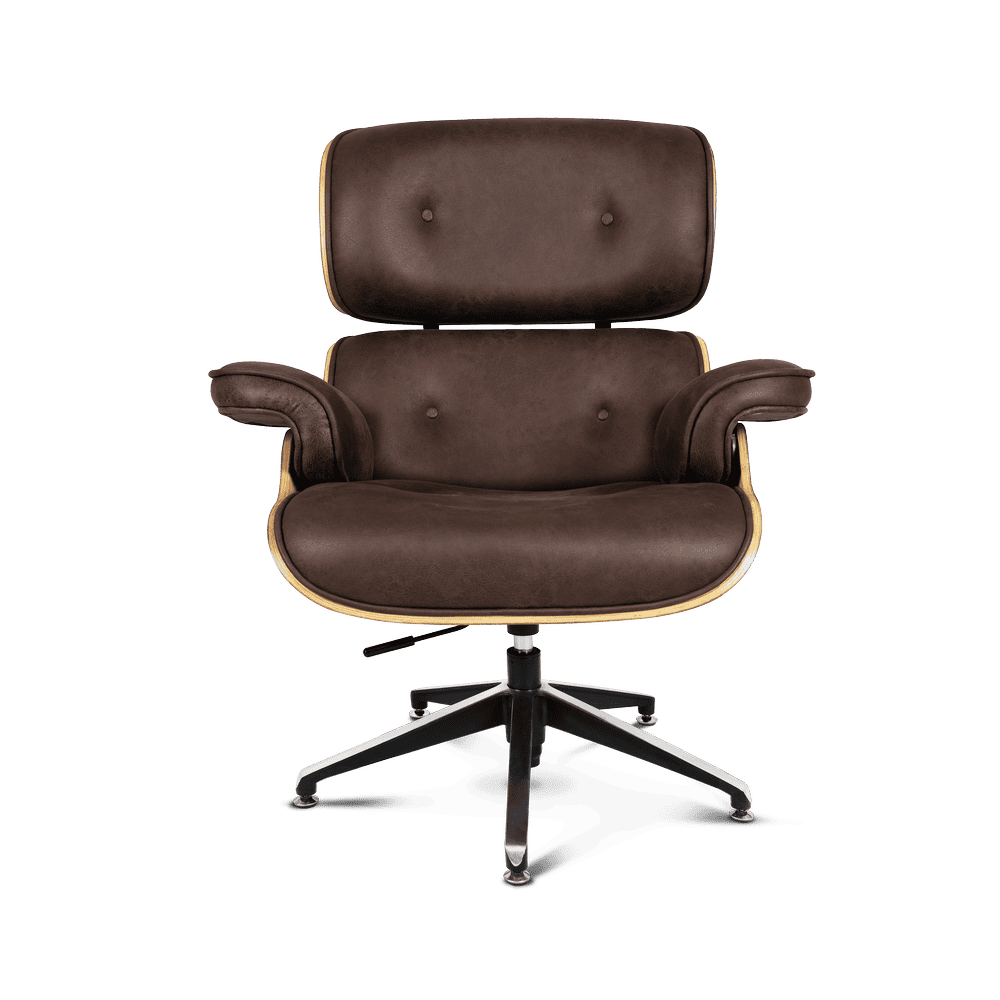
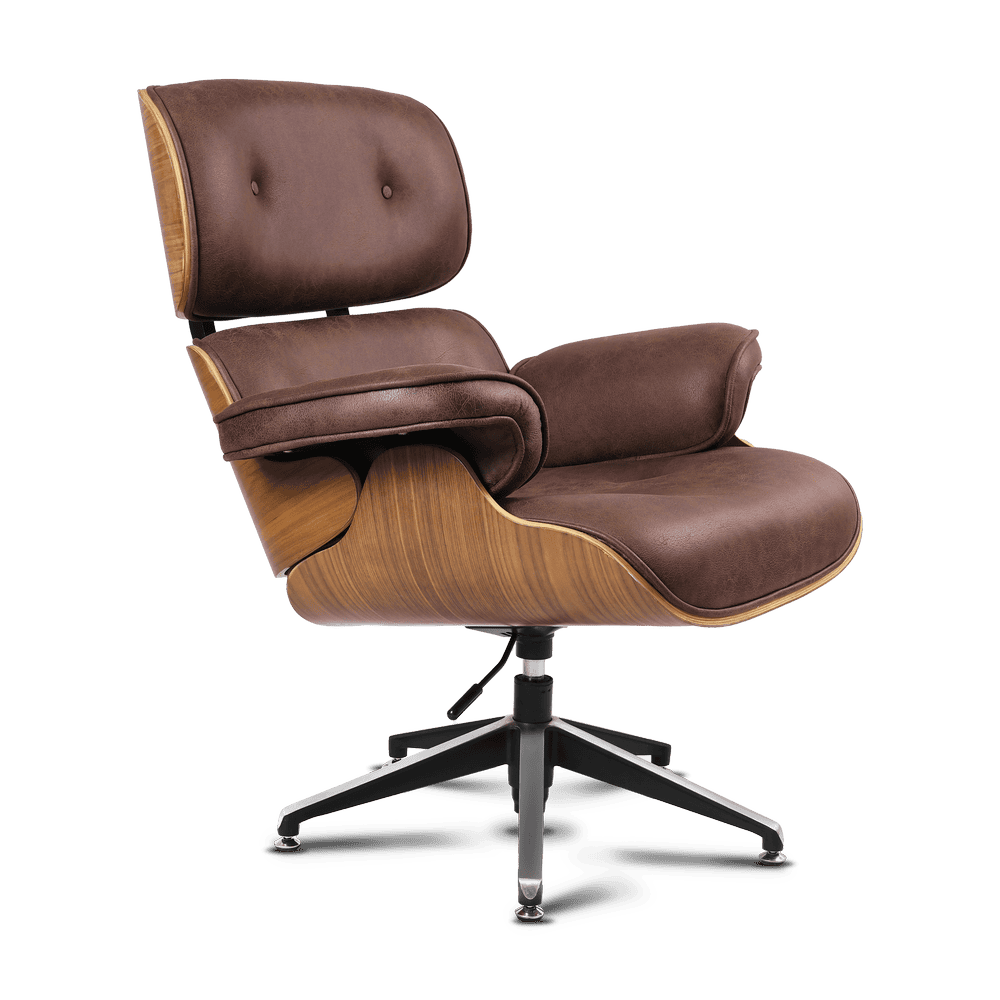
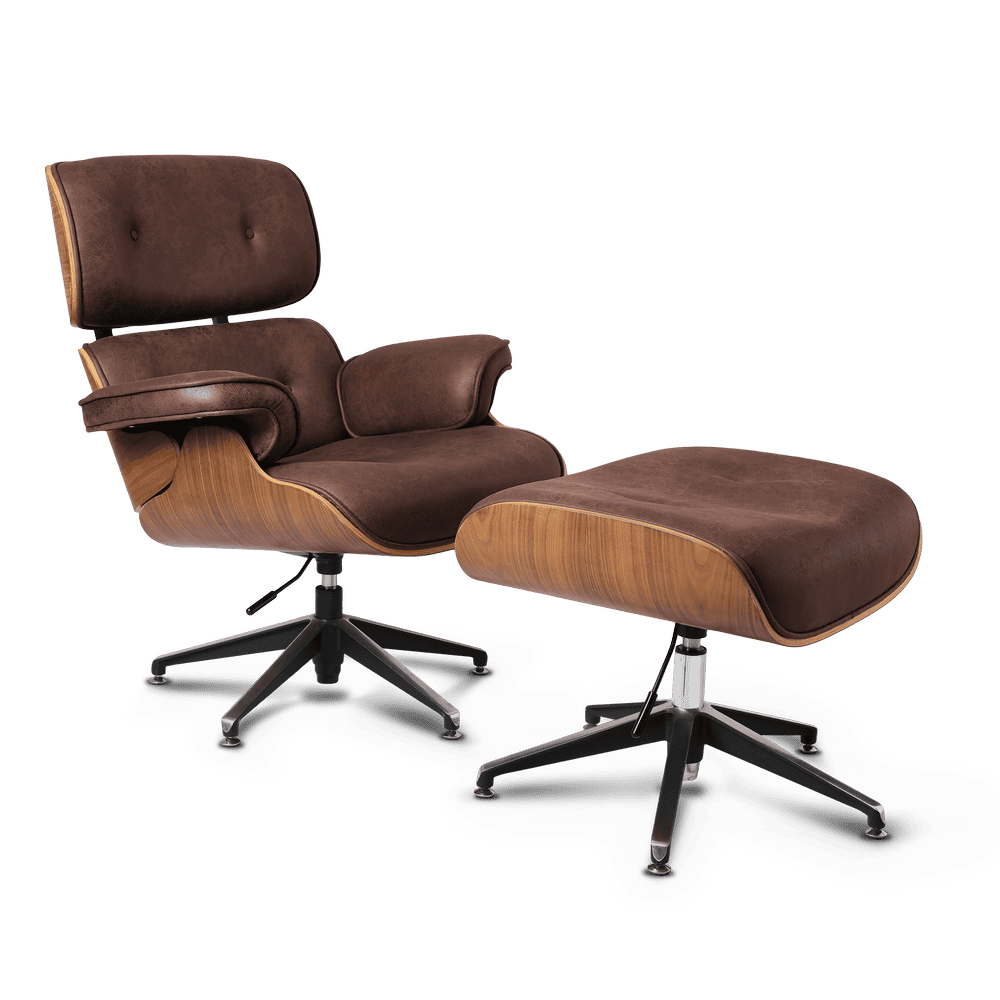
Executive & Inlay Office Chairs
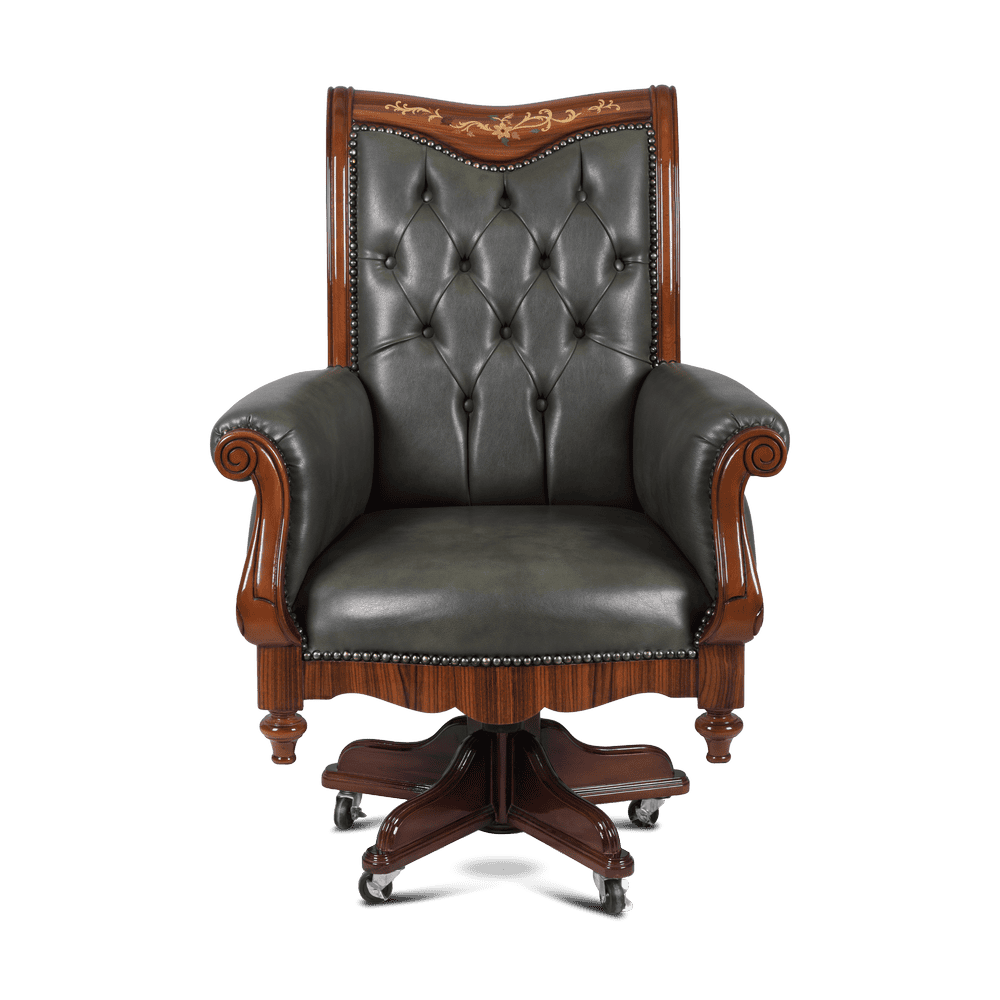
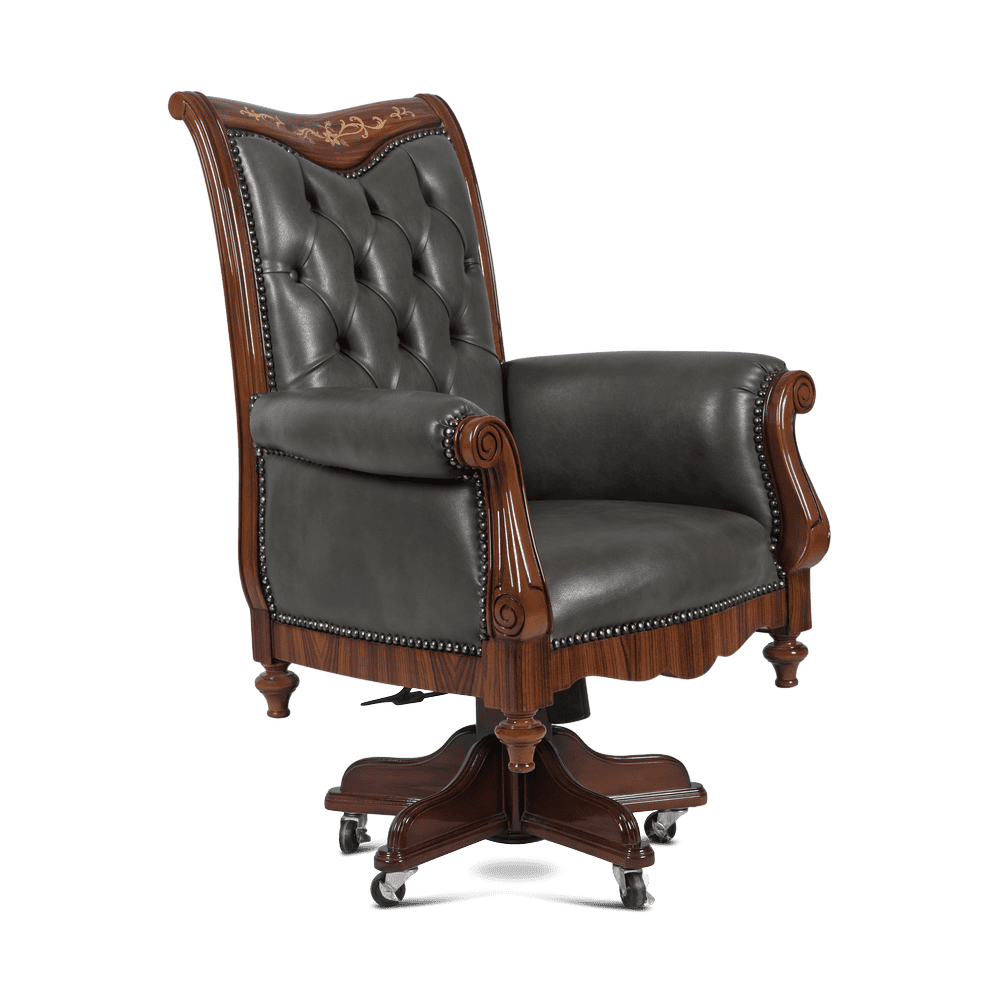
Executive office chairs are designed to reflect authority, comfort, and long-term usability, making them an essential part of premium office furniture setups. The NM Furnishers Inlay Office Chair is a fine example of executive seating that balances classic craftsmanship with practical office functionality.
This chair features a high-back upholstered design that provides full upper-body support, promoting proper posture during long working hours. The generously padded backrest and seat cushion help distribute body weight evenly, reducing pressure on the lower back and shoulders. Unlike standard computer chairs, this type of executive chair focuses on comfort-driven sitting rather than task-only functionality.
The solid wooden frame with detailed inlay work adds durability while also enhancing the visual appeal of executive offices, boardrooms, and private cabins. Wooden armrests with soft cushioning support relaxed arm positioning, reducing strain during extended meetings or desk work. This makes the chair suitable not only for desk use but also for decision-making environments where comfort and presence matter equally.
The revolving base allows smooth movement without disrupting the classic aesthetic of the chair. High-quality caster wheels ensure controlled mobility across office floors, while the stable base construction maintains balance and safety. This combination of mobility and structure makes the chair practical for modern offices while preserving a traditional executive look.
Unlike lightweight task seating, executive chairs like this are built for long-term use and visual impact. The premium upholstery, deep cushioning, and robust construction make them ideal for senior professionals who spend significant time seated but also want their workspace to reflect professionalism and status.
In professional environments where first impressions matter, a well-crafted executive chair becomes more than just seating—it becomes a statement of quality, leadership, and refined office furniture selection.

Armchairs for Office Comfort
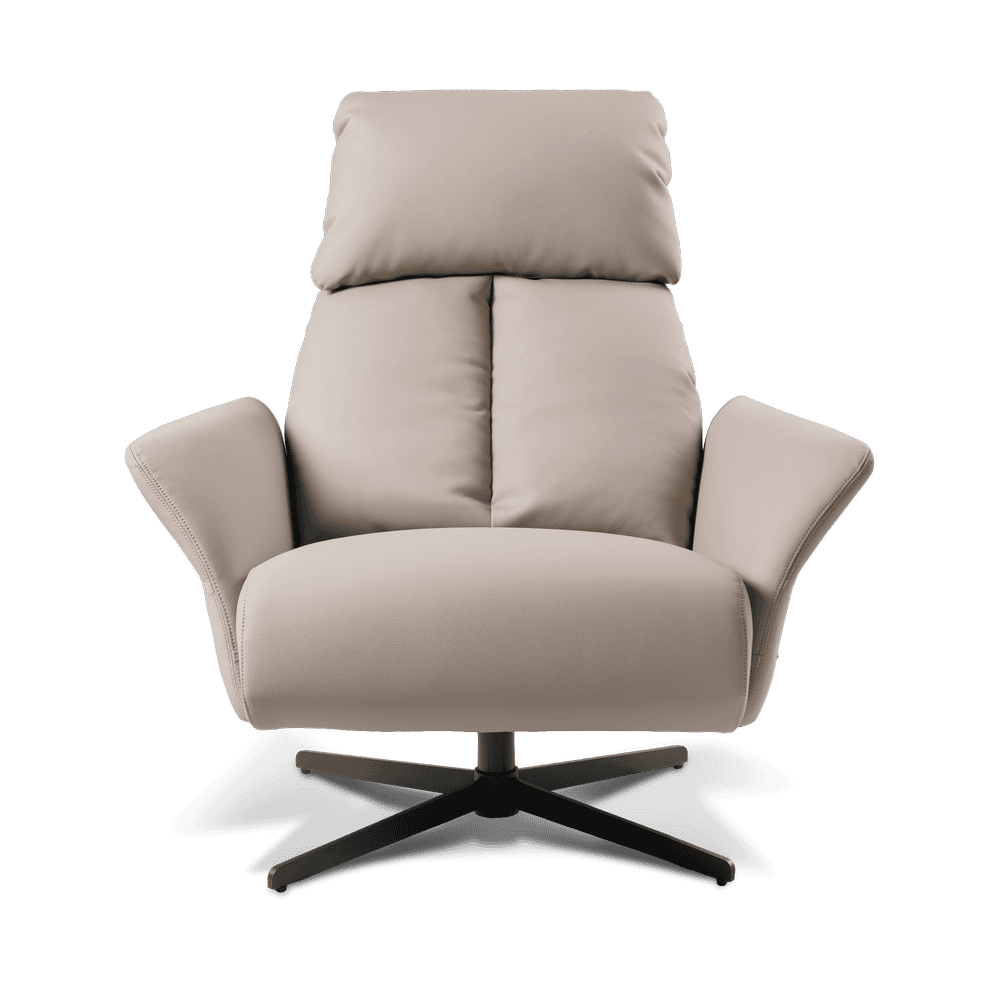
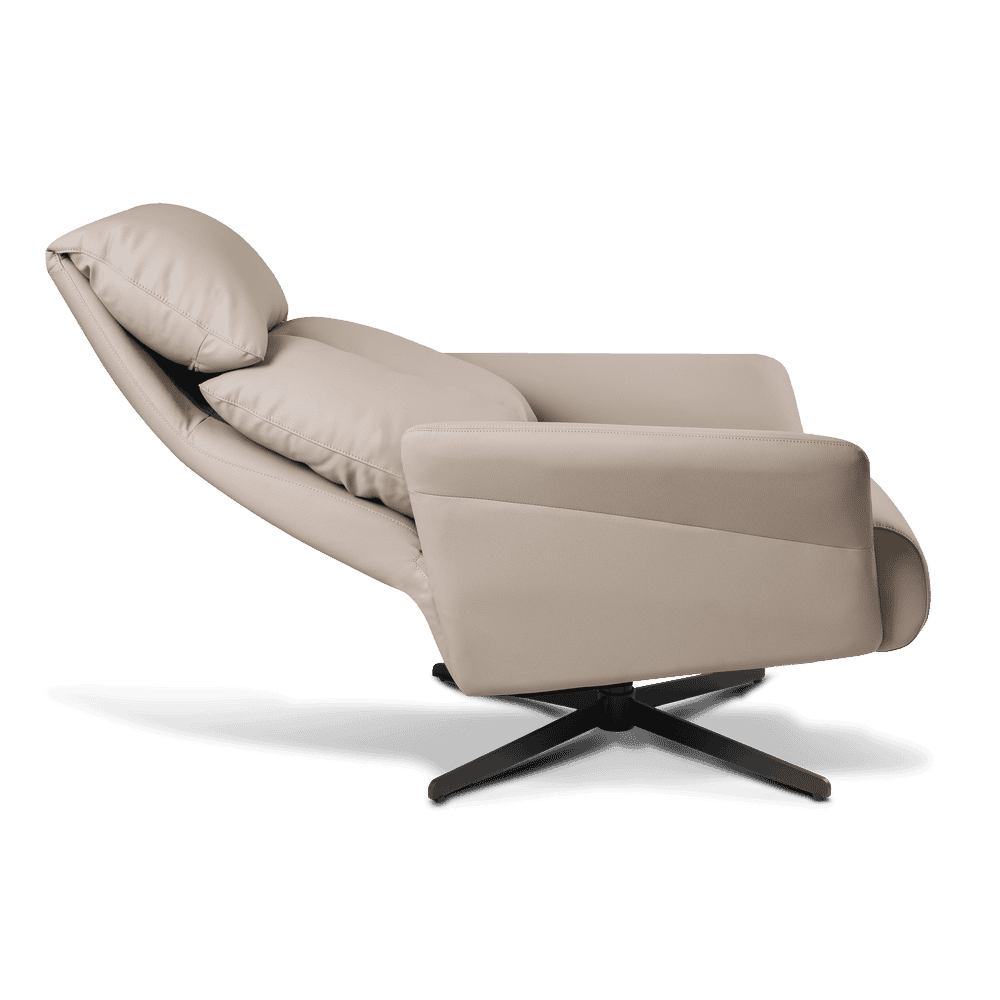
Armchairs office spaces utilize serve distinct purposes beyond individual workstations, providing comfortable seating in reception areas, conference rooms, executive offices, and collaborative spaces where shorter duration sitting occurs. These designs emphasize visual appeal and immediate comfort rather than adjustability features appropriate for full-day use.
Office armchair designs typically feature upholstered seats and backs with padded armrests, creating inviting seating for visitors, clients attending meetings, and team members participating in discussions or brief consultations. Fixed bases provide stability suitable for conference room arrangements, while some models incorporate swivel mechanisms adding flexibility during collaborative sessions.
Reception area armchairs communicate organizational professionalism and attention to visitor comfort, influencing first impressions that affect client confidence and business development outcomes. Selecting durable commercial-grade upholstery ensures maintained appearance despite frequent use, with stain-resistant treatments simplifying maintenance in high-traffic environments.
Conference room armchair selections should balance comfort during typical meeting durations with aesthetic coordination supporting overall workspace design themes. Contemporary options range from minimalist designs featuring clean lines and neutral colors to more traditional upholstered styles incorporating tufting, decorative stitching, or accent materials complementing executive suite aesthetics.

What Makes a High-Quality Office Chair
Distinguishing quality office chair construction from inferior alternatives requires understanding materials, engineering principles, and manufacturing standards separating lasting investments from short-term purchases requiring frequent replacement. Premium seating incorporates thoughtful design decisions affecting durability, comfort, and ergonomic performance.
Build quality begins with frame construction. Steel or reinforced aluminum frames provide structural integrity supporting weight capacities exceeding standard use requirements, ensuring stability throughout product lifespans. Inferior chairs utilize lightweight plastic frames that flex under normal use, degrading mechanical performance and creating safety concerns as materials fatigue over time.
Mechanical components represent another critical quality indicator. Gas lift cylinders manufactured to recognized safety standards ensure smooth height adjustment without premature failure or safety hazards associated with substandard pneumatic systems. Quality chairs incorporate class 4 gas lifts certified for extended use, while budget options use lower-grade cylinders failing prematurely under daily adjustment cycles.
Caster wheel quality affects both functionality and floor protection. Premium casters feature smooth-rolling mechanisms with appropriate hardness for specific flooring types—soft wheels for hard floors, harder wheels for carpeted surfaces. Budget chairs often include inadequate casters that scratch flooring, roll inconsistently, or fail completely within months of regular use.
Upholstery materials and cushioning density determine comfort longevity. High-density foam maintains supportive properties through years of compression cycles, while low-density alternatives flatten quickly, creating uncomfortable pressure points and diminishing ergonomic benefits. Premium fabrics resist pilling, tearing, and color fading despite continuous contact and cleaning, whereas inferior materials deteriorate visibly within short timeframes.
Ergonomic office chairs meeting quality standards include multiple adjustment points with smooth, intuitive controls maintaining functionality throughout product lifespans. Adjustment mechanisms should operate without excessive force, remain stable when set, and withstand thousands of adjustment cycles without loosening or breaking.
The relationship between chair quality and health outcomes cannot be overstated. Cheap seating lacking proper lumbar support, adequate cushioning, and appropriate adjustability contributes directly to musculoskeletal disorders affecting productivity and requiring medical intervention. Organizations choosing budget options often face higher total costs through premature replacements, reduced employee productivity during discomfort, and increased health-related absences.
Quality chairs typically include manufacturer warranties covering structural integrity, mechanical components, and sometimes upholstery degradation. Extended warranty periods signal manufacturer confidence in construction quality and provide protection for furniture investments. Reputable brands stand behind products with responsive customer service and replacement part availability extending usable lifespans.
Best Office Chair Designs for Contemporary Workspaces
Contemporary office furniture reflects evolving workplace aesthetics prioritizing clean lines, minimalist profiles, and sophisticated material combinations that complement modern architectural trends. Today’s professional environments increasingly reject ornate traditional styling in favor of understated elegance communicating current design sensibilities.
Ergonomic office chairs designed for contemporary contexts balance functional requirements with visual restraint. Mesh backrests in neutral tones provide necessary breathability while maintaining subtle presence. Streamlined armrest designs eliminate unnecessary visual bulk while delivering ergonomic support. Base components in polished aluminum or matte black finishes coordinate with current technology aesthetics and workspace color palettes.
Premium contemporary seating demonstrates that functional design need not sacrifice visual appeal. Executive chairs featuring supple leather upholstery in sophisticated neutral tones, precisely engineered mechanical systems hidden beneath refined exterior forms, and proportions scaled appropriately for current workspace dimensions prove that luxury can align with contemporary minimalism.
NM Furnishers approaches chair design recognizing that modern professionals demand both performance and aesthetics. Contemporary workspace furniture serves dual purposes—supporting productive work while contributing to environments reflecting organizational identity and values. Chairs functioning as purely utilitarian objects miss opportunities to reinforce brand positioning through thoughtful design selections.
The intersection of function and design becomes particularly evident in collaborative and client-facing spaces. Conference room seating, reception area chairs, and executive office furniture visible to visitors and clients communicate organizational sophistication and attention to detail that influences business relationships and recruitment success.
Luxury contemporary chair designs incorporate premium materials with modern sensibilities—full-grain leather selected for suppleness and aging characteristics, hand-finished wood components showcasing natural grain patterns, and precision metalwork demonstrating manufacturing excellence. These refined details differentiate premium offerings from mass-market alternatives while maintaining contemporary aesthetic coherence.
Contemporary design philosophy also embraces sustainability principles increasingly important to organizations and individuals. Premium manufacturers select materials with consideration for environmental impact, design for extended lifespans reducing replacement frequency, and engineer products supporting eventual recycling or refurbishment rather than disposal.
Complete Office Furniture Solutions by NM Furnishers
Office furniture procurement extends beyond individual chair selection into comprehensive workspace planning ensuring all elements function cohesively while supporting organizational objectives. NM Furnishers specializes in delivering complete solutions where seating represents the foundation of properly equipped professional environments.
Quality office chairs constitute core offerings reflecting understanding that seating directly impacts every aspect of workplace experience. The focus remains on workspace office furniture engineered for Pakistani business contexts, climate considerations, and professional expectations specific to regional markets.
Customization capabilities allow tailoring solutions to specific organizational requirements, workspace dimensions, and aesthetic preferences. Standard product lines provide excellent starting points, while modification options address unique needs including specialized upholstery selections, custom dimensions for unusual spatial constraints, or specific ergonomic requirements accommodating individuals with particular health considerations.
Workspace planning support helps organizations optimize furniture investments through professional assessment of actual usage patterns, traffic flow analysis, and spatial configuration recommendations maximizing productivity while maintaining comfortable environments. This consultative approach ensures furniture selections align with operational realities rather than assumptions that may not reflect actual workplace dynamics.
Quality craftsmanship defines product development and manufacturing oversight. From material selection through final finishing, attention to detail ensures furniture maintains appearance and functionality throughout extended service lives. Reinforced joinery techniques, precision metalwork, and carefully applied finishes demonstrate commitment to excellence distinguishing premium offerings from commoditized alternatives.
The complete solutions approach recognizes that exceptional seating loses effectiveness within poorly planned workspaces. Coordinating chairs with appropriate desks, storage systems, and supporting furniture elements creates integrated environments where each component contributes to overall functionality and aesthetic coherence.
Office Tables, Workstations & Desks (Informational Only)
Understanding office table design principles and workstation configurations helps contextualize chair selection within complete workspace planning. While this discussion remains informational without specific product advocacy, comprehending desk requirements ensures chair choices support rather than conflict with overall workspace functionality.
The office desk serves as workspace foundation, supporting technology equipment, work materials, and daily activities while providing adequate surface area for productive engagement. Modern desk designs address technology integration, cable management, and space optimization reflecting how contemporary work actually occurs.
Standard desk heights typically measure 72-76 centimeters, designed for use with properly adjusted office chairs allowing neutral arm positions when typing or using computer peripherals. This dimension assumes average user heights and standard chair adjustability ranges. Organizations serving notably tall or short populations may require custom desk heights ensuring ergonomic alignment across workforce demographics.
Office table design considerations include surface depth accommodating monitor placement at appropriate viewing distances, typically 50-70 centimeters from eyes to screens. Width requirements depend on equipment needs and work materials used simultaneously. Single-monitor workstations function adequately with 120-centimeter widths, while multi-monitor arrangements or roles involving extensive reference materials benefit from 150-180 centimeter surfaces.
L-shaped and U-shaped configurations maximize corner space utilization while providing distinct zones for computer work, paperwork, and visitor consultation. These expanded arrangements suit supervisory and managerial roles involving varied task types and frequent team member interactions.
Office table price in Pakistan spans broad ranges depending on materials, construction quality, and features. Basic laminate-surface desks with steel frames start affordably, while premium options featuring solid wood construction, leather surface inserts, and integrated storage command significantly higher investment. Mid-range selections typically balance durability, adequate dimensions, and practical features suitable for professional contexts.
The relationship between chairs and tables proves critical for ergonomic optimization. Even premium ergonomic chairs cannot compensate for desk surfaces positioned incorrectly relative to seated elbow height. Chair selection should therefore consider existing or planned desk heights, ensuring adjustment ranges accommodate proper alignment maintaining neutral wrist positions and relaxed shoulder postures during typical work activities.
How to Choose the Right Office Chair for Your Workspace
Selecting appropriate office chairs requires systematic evaluation of actual usage contexts, individual needs, and organizational priorities rather than purchasing based solely on appearance or price considerations. Thoughtful selection processes yield furniture investments delivering value throughout extended service lives.
Workspace type fundamentally influences appropriate chair characteristics. Private offices accommodate larger executive seating without spatial constraints affecting movement or aesthetics. Open-plan collaborative environments benefit from compact task chairs supporting mobility and visual consistency across multiple workstations. Reception areas require seating balancing comfort during shorter durations with visual appeal creating positive first impressions.
Sitting duration directly correlates with necessary ergonomic features and cushioning quality. Professionals working eight to ten hours daily require comprehensive adjustability, superior lumbar support, and high-density cushioning maintaining comfort through extended periods. Roles involving frequent movement between sitting and standing, or spending limited time at desks, function adequately with simplified designs lacking extensive adjustment mechanisms.
Body posture needs vary individually based on height, weight, existing health conditions, and personal comfort preferences. Taller individuals require chairs with adequate seat depth and backrest height accommodating longer torsos and legs. Heavier users need reinforced construction and weight capacities exceeding standard specifications. Individuals with prior back injuries or chronic conditions benefit from enhanced lumbar support systems and recline mechanisms reducing spinal pressure during rest breaks.
The distinction between executive and staff seating extends beyond status considerations into functional requirements. Executive roles typically involve extended sitting during strategic planning, administrative tasks, and meetings justifying premium ergonomic features and luxurious materials. Staff positions requiring mobility, varied tasks, or shorter sitting durations may not benefit proportionally from executive-tier investments.
Adopting investment mindsets rather than expense perspectives fundamentally alters chair selection approaches. Quality seating lasting eight to ten years with minimal maintenance represents superior value compared to budget options requiring replacement every two years plus costs associated with discomfort, reduced productivity, and potential health issues during use. Total cost of ownership calculations should include expected lifespan, warranty coverage, and anticipated maintenance requirements rather than focusing exclusively on initial purchase prices.
Testing chairs personally before purchasing proves invaluable when possible. Sitting in proposed selections reveals comfort characteristics, adjustment ease, and overall suitability that specifications alone cannot communicate. Organizations furnishing multiple positions might purchase sample units for evaluation periods before committing to larger orders.
Professional consultation helps navigate complex selections when expertise gaps exist or large-scale furnishing projects exceed internal capabilities. Experienced furniture specialists assess actual workspace contexts, understand ergonomic principles, and recommend solutions optimizing available budgets while meeting organizational requirements.
For evidence-based guidance on healthy sitting posture and ergonomic seating, refer to the Mayo Clinic’s expert recommendations on workplace ergonomics:
https://www.mayoclinic.org/healthy-lifestyle/adult-health/in-depth/office-ergonomics/art-20046169
Why Ergonomic & Contemporary Office Furniture Is a Smart Investment
Strategic office furniture investment represents organizational commitment to human capital rather than merely purchasing necessary equipment. The relationship between workspace quality and individual performance, organizational culture, and business outcomes justifies thoughtful furniture selection as core operational consideration.
Employee health protection constitutes the most direct benefit from quality ergonomic office chairs. Musculoskeletal disorders represent leading causes of workplace injury and lost productivity globally. Proper seating addressing spinal alignment, pressure distribution, and movement support prevents the cumulative damage associated with inadequate workspace ergonomics. Organizations investing appropriately in employee health through quality furniture realize reduced medical costs, fewer disability claims, and lower absenteeism rates directly improving operational efficiency.
Productivity and morale improvements following workspace upgrades prove measurable and substantial. Employees working comfortably without physical distraction maintain focus more effectively, complete tasks more efficiently, and demonstrate higher engagement levels than peers struggling with inadequate seating. The psychological impact of working in thoughtfully designed environments with quality furnishings also influences job satisfaction, organizational commitment, and willingness to invest discretionary effort toward organizational success.
Long-term cost efficiency emerges from quality furniture outlasting budget alternatives while maintaining functionality and appearance. Premium executive chairs and ergonomic seating engineered for extended service lives amortize initial investments across many years of productive use. Frequent replacement cycles associated with inferior furniture consume financial resources while creating operational disruptions and environmental waste that quality purchases avoid.
Brand image and professionalism considerations extend beyond internal operations into client perceptions and recruitment success. Contemporary professional environments furnished with quality contemporary office furniture communicate organizational success, attention to detail, and commitment to excellence that influences how clients, partners, and prospective employees assess capabilities and organizational culture. The contrast between dated, worn furniture and sophisticated contemporary installations directly impacts business development opportunities where first impressions significantly affect decision outcomes.
Competitive advantage in talent markets increasingly depends on workplace quality. Skilled professionals evaluating employment opportunities compare not just compensation but work environments, organizational culture, and demonstrated commitment to employee wellbeing. Companies offering superior workspace conditions attract stronger talent pools and retain valuable employees more effectively than competitors treating furniture as minimal necessary expense.
If you would like to explore in more depth how office furniture investment, employee wellbeing, and workspace quality influence productivity and business outcomes, Harvard Business Review’s research and expert insights can be read here: https://hbr.org/2019/11/the-truth-about-open-offices
FAQs
Chairs designed for extended daily use should incorporate adjustable lumbar support systems maintaining the spine's natural curves, breathable materials preventing heat accumulation during long sessions, synchronized tilt mechanisms providing consistent support during position changes, and multi-adjustable armrests supporting varied working postures. Look for models featuring seat depth modification accommodating different body heights, tension control calibrating backrest resistance to individual weights, and high-density cushioning maintaining comfort throughout full workdays. Premium ergonomic chairs balancing these features typically range from mid to upper price segments, with investment justified through health protection and sustained comfort supporting productivity.
Executive seating should combine sophisticated aesthetics with comprehensive ergonomic functionality. Essential features include high backrests supporting entire spine and head, premium upholstery materials such as genuine leather or luxury fabric selections, substantial construction supporting higher weight capacities, and polished bases projecting quality appropriate for leadership positions. Mechanically, expect synchronized tilt systems, tension adjustment accommodating body weight variations, multi-dimensional armrest positioning, seat depth modification, and smooth height adjustment through quality gas lift cylinders. The best executive chairs balance impressive visual presence with ergonomic performance protecting health during extended sitting associated with administrative and strategic responsibilities.
Executive chairs emphasize premium aesthetics, larger dimensions, comprehensive back support, and luxurious materials like leather upholstery suitable for senior management and client-facing contexts. These chairs project authority and status while delivering comfort appropriate for extended sitting during administrative work and meetings. Computer chairs prioritize functional ergonomics for digital work, featuring compact designs fitting standard workstations, breathable materials preventing heat buildup, and adjustability supporting varied tasks at more accessible price points. Executive seating costs more but provides visual presence beyond personal comfort, while computer chairs focus on practical ergonomic performance for everyday professional use without luxury material investments.
Ergonomic furniture directly influences productivity through multiple mechanisms. Physical comfort allows mental resources to focus entirely on work rather than managing pain or constantly adjusting position seeking relief. Proper spinal support and pressure distribution prevent the fatigue that degrades performance during afternoon hours when discomfort typically intensifies. Ergonomic seating reduces health issues causing absences and reduced work capacity, maintaining consistent workforce availability and performance. Psychologically, working in thoughtfully designed environments with quality furnishings influences job satisfaction and organizational commitment, affecting discretionary effort employees invest beyond minimum requirements. Organizations demonstrating commitment to employee wellbeing through proper workspace furniture also benefit from enhanced morale and stronger workplace culture supporting collaborative productivity.
Conclusion
Strategic selection of quality office furniture and ergonomic office chairs fundamentally transforms workplace experiences, protecting employee health while enhancing productivity, satisfaction, and organizational success. Whether furnishing executive suites, collaborative workspaces, or individual workstations, appropriate seating and supporting furniture elements establish foundations for professional excellence delivering compounding benefits throughout furniture lifespans.
Modern professionals spend substantial portions of lives seated at workstations. The chairs supporting these hours critically affect physical wellbeing, work quality, and career sustainability. Investing appropriately in ergonomic office chairs engineered for human requirements rather than accepting minimal functional alternatives represents essential organizational responsibility and intelligent business strategy.
NM Furnishers delivers premium seating solutions combining ergonomic excellence with aesthetic sophistication appropriate for contemporary professional environments. The focus remains on quality craftsmanship, durable materials, and designs supporting long-term productive use rather than temporary solutions requiring frequent replacement.
From executive chair options projecting leadership presence to functional computer seating supporting digital work, comprehensive furniture solutions address diverse organizational needs while maintaining consistent quality standards and design coherence. Understanding that workspace furniture investments affect every aspect of organizational performance guides selection processes emphasizing value creation over cost minimization.
Upgrade your workspace with premium, durable, and ergonomic office chairs designed to deliver comfort, style, and long-term productivity with NM Furnishers. Quality furniture represents investment in organizational success through enhanced employee health, improved productivity, and professional environments supporting excellence across all operations.
For product inquiries or custom office furniture solutions, please visit our Contact Us page.
Our More Blogs
Best Office Furniture &…
December 17, 2025
0
Sofa Set Design in…
December 15, 2025
0

Transform Your Living Spaces…
November 25, 2025
0